
Introduction
Microgreens are immature seedlings harvested 7 to 14 days after sowing. Valued by restaurants for intense flavors and vibrant colors. Shouguang Zhongtian provides indoor and greenhouse systems for microgreen production.
Figure 1: Modern greenhouse by Shouguang Zhongtian
Growing Methods
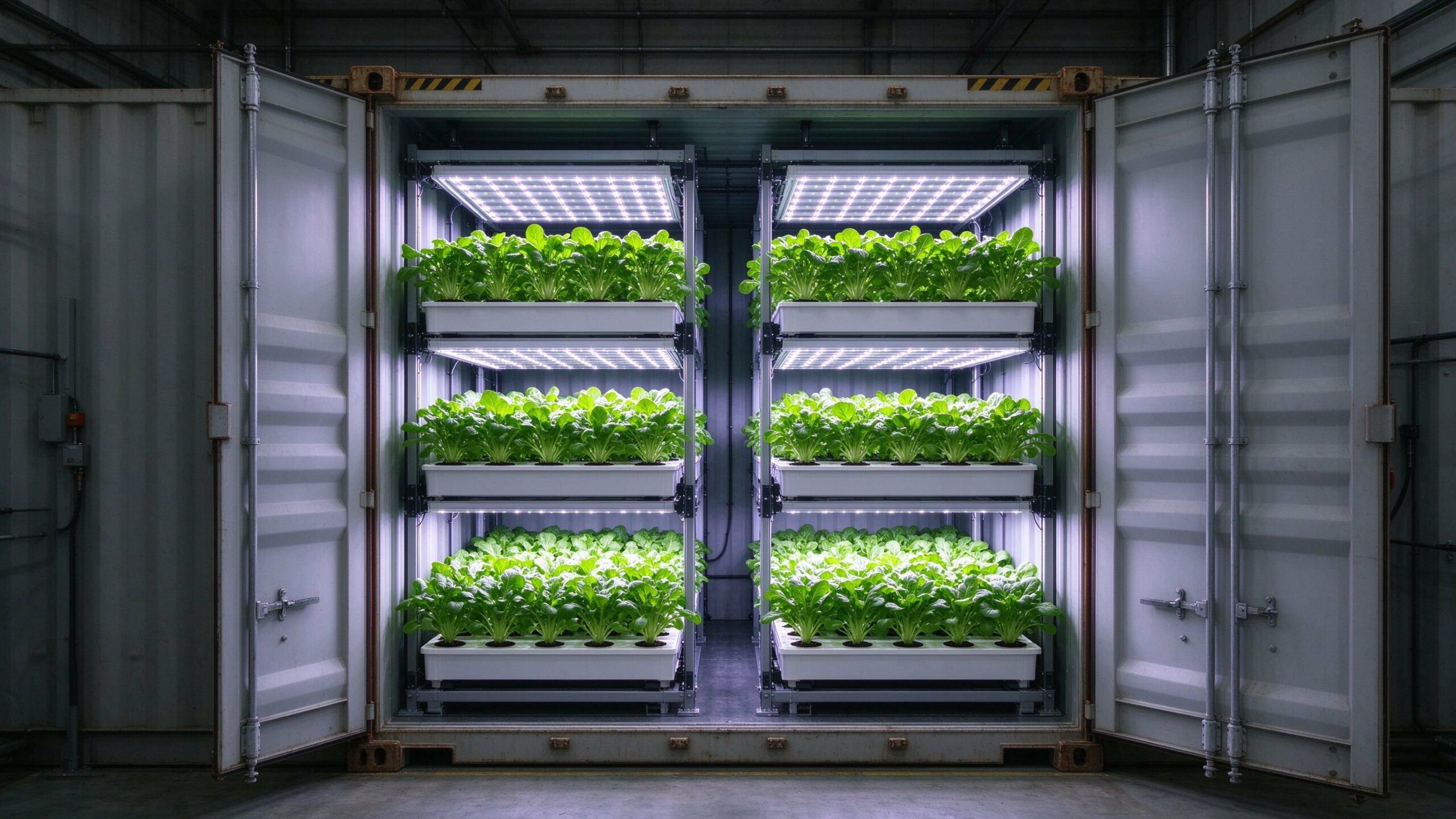
Microgreens are grown in trays with coconut coir, hemp mats, or paper. Seeds are sown densely and watered regularly. They can be grown on shelves under LEDs or greenhouse benches.
Popular Varieties
Kale, arugula, radish, broccoli, mustard, pea shoots, and sunflower are popular. Mixed blends offer visual variety. Each variety has specific seed rates and growth periods.
Figure 2: Professional growing system
Production Tips
Consistent moisture and ventilation prevent fungal disease. Harvest with a sharp knife just above medium. Sold in clamshells with 5 to 7 day shelf life.
Seeds are soaked before sowing to speed germination. Trays are watered from below to keep leaves dry. Harvest occurs when the first true leaves appear, typically 7 to 14 days after sowing.
Microgreens grow well at 18 to 24 degrees Celsius with moderate humidity. Under LED lights on vertical racks, multiple harvests per week are possible. Good ventilation prevents fungal diseases on the dense, leafy crop.
Growing Environment
Mixes of colorful microgreens like rainbow chard, red cabbage, and radish offer the highest margins. Chefs use them as garnishes and flavor accents. Direct sales to restaurants provide the best margins.
Microgreens sell for $20 to $50 per kilogram at wholesale and even higher at farmers markets. Popular restaurants value consistent quality and variety. A 100-square-meter growing area can produce several kilograms weekly.
Business and Marketing
Hands must be washed and gloves worn during harvest. The FDA requires Good Agricultural Practices certification for commercial sales. Water quality must meet potable standards.
Microgreens are consumed raw, so food safety is critical. Seeds should be tested for pathogens and treated with dilute bleach or vinegar solution. All contact surfaces must be food-grade and sanitized between batches.
Food Safety Considerations
Each microgreen variety has specific seed rate, germination time, and shelf life. Pea shoots mature in 10 to 12 days, while sunflower takes 14. Proper variety selection matches demand and production capacity.
Popular microgreens include pea shoots (sweet and tender), radish (spicy), sunflower (nutty), broccoli (mild and earthy), and beet (earthy with colorful stems). Mixed specialty blends offer chefs a range of colors and flavors.
Common Varieties and Flavors
Microgreens offer a fast-return greenhouse enterprise. Shouguang Zhongtian provides LED lighting and hydroponic systems optimized for microgreen production.
Keep meticulous records of seed rates, germination rates, and yields per tray. This data guides pricing and production planning. Food safety certifications open doors to wholesale accounts and institutional buyers.
Start by selling to local restaurants and farmers markets to validate demand before investing in large-scale production. Once steady customers are established, expand production area. Vertical rack systems multiply growing capacity in limited space.
Scaling a Microgreens Business
Conclusion
Microgreens offer rapid returns and high margins per square meter. Shouguang Zhongtian supports growers with efficient systems.


