
Why Recirculation Matters
A drain-to-waste irrigation system discards twenty to forty percent of the water it delivers, along with the fertiliser dissolved in it. In regions where water is expensive, regulated, or simply scarce, that loss is unacceptable. Recirculation captures the drainage, treats it, and returns it to the crop.
The environmental case and the financial case point the same direction. Nutrient runoff from horticulture is a recognised source of surface water pollution. Regulations in several jurisdictions now require containment of irrigation drainage, making recirculation a compliance requirement rather than an optional improvement.

Collecting and Treating Drainage
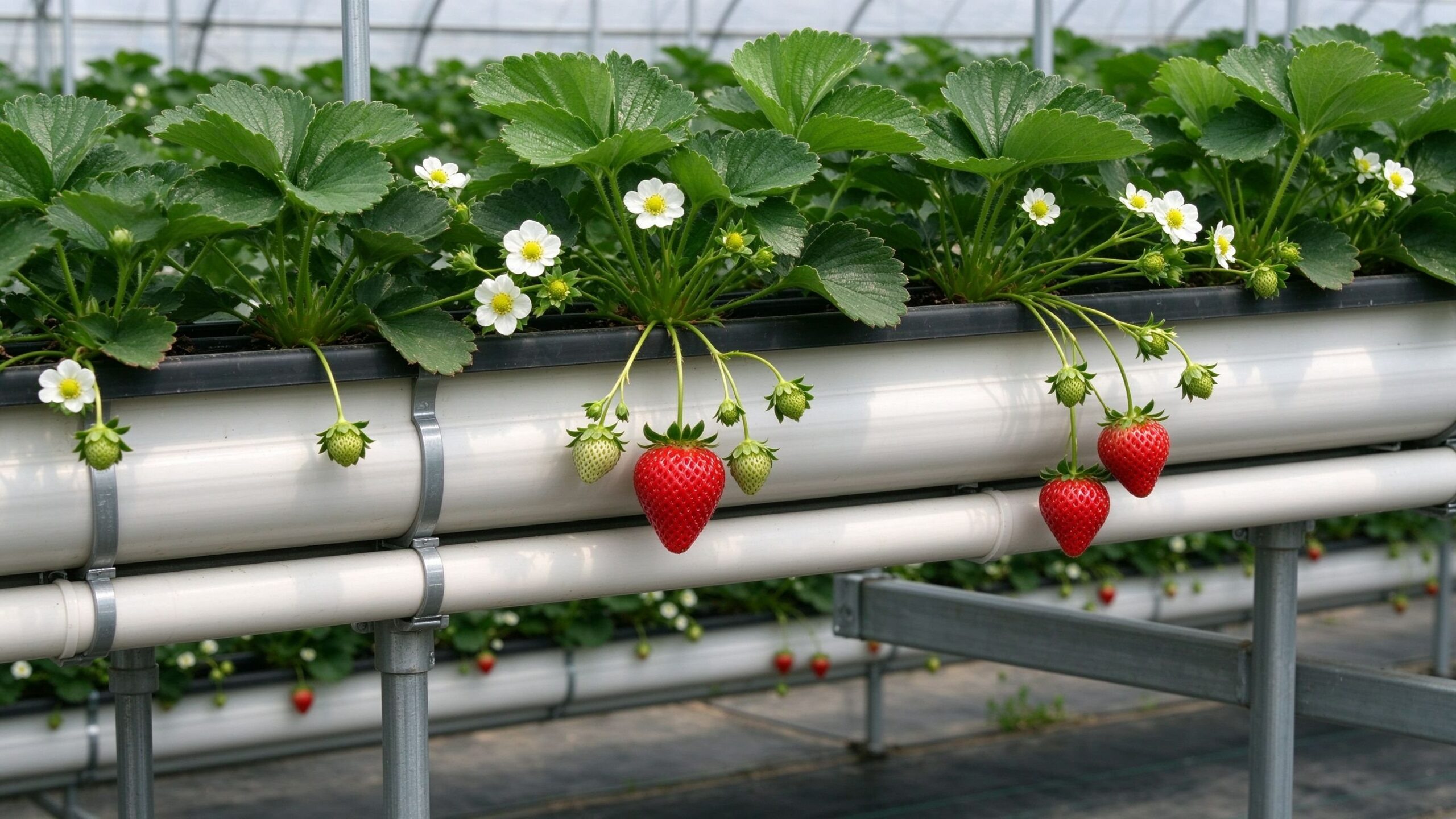
Collection begins at the slab or bed. Slabs are positioned on a slight slope so drainage flows into gutters, which lead to a collection tank. The tank must be sized to buffer peak drainage volumes, typically holding several hours of flow. Level sensors and overflow protection prevent flooding.
Treatment follows collection. Slow sand filtration removes particulate matter. UV disinfection inactivates waterborne pathogens, with dose calculated from flow rate and turbidity. Some operations add biofilters or ozone treatment for specific pathogen problems. Each step adds cost, so the treatment train should match the actual risk profile of the site.
Rebalancing the Nutrient Solution
Recirculated drainage is not the same as fresh solution. Plants remove ions selectively, so the returning water is low in the nutrients the crop consumed and high in those it ignored. Sodium and chloride accumulate over time because the crop takes up very little of them.
Managing this requires regular laboratory analysis and a systematic correction routine. Growers measure electrical conductivity, individual ion concentrations, and sodium level, then blend fresh nutrient stock with drainage water to hit target values. When sodium exceeds the crop's tolerance, a controlled bleed of drainage to waste or to another crop is necessary.

Disease Risk and Monitoring
The greatest concern with recirculation is the potential to spread root pathogens through the entire operation. Pythium and Phytophthora are the classical threats. Disinfection must be reliable, monitored, and never bypassed for convenience.
Microbiological monitoring turns this from a hope into a control. Regular plate counts or dip slides on treated water reveal whether disinfection is working before symptoms appear in the crop. Combining treatment with beneficial microbial inoculants adds a second layer of protection and is standard practice in high-value crops.
Ongoing validation is largely automatic if instrumentation is in place: flow meters on supply and return, conductivity probes in the tank, and periodic laboratory analysis. Comparing recovery percentage against design expectation reveals leaks, blockages, and treatment failures while they are still inexpensive to correct.
A new recirculation system should be validated before the first crop, not after. Run clean water through the loop, measure recovery percentage, test disinfection efficacy with indicator organisms, and confirm that dosing holds target electrical conductivity under varying load.
Commissioning and Ongoing Validation
Practical sizing considers the largest daily irrigation volume, the treatment throughput, and the desired safety margin. Level sensors with high and low alarms prevent both overflow and pump dry-run. Covered tanks reduce algae growth and evaporation, both of which degrade water quality.
Recirculation systems need buffer volume to absorb the mismatch between when drainage arrives and when it can be reused. A tank sized for only an hour of flow will overflow during the morning irrigation peak, forcing discharge to waste and defeating the purpose of the system.
Sizing Storage and Buffer Capacity
Conclusion
Recirculation is the clearest example of a change that improves both sustainability and cost control. It requires discipline in monitoring but repays that discipline steadily. Shouguang Zhongtian designs irrigation systems with integrated drainage collection, disinfection, and dosing control so that growers can close the water loop without adding operational complexity.


