
Introduction
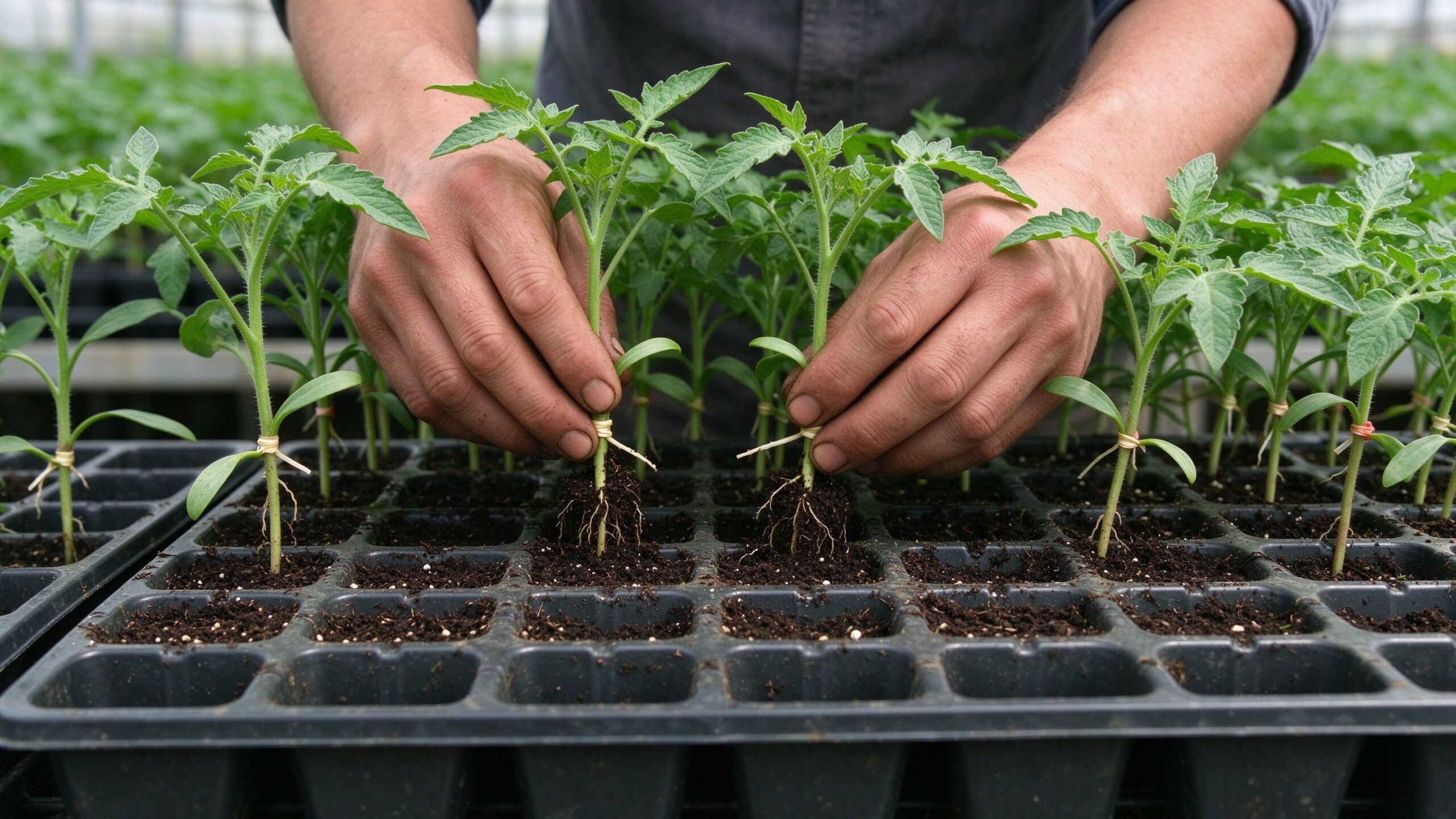
Grafting combines a scion of a desirable fruiting variety with a vigorous rootstock that provides disease resistance and enhanced nutrient and water uptake. This technique is widely used for tomatoes, peppers, cucumbers, and melons in commercial greenhouse production. Shouguang Zhongtian supports grafted transplant production with specialized nursery greenhouse designs.
Figure 1: Modern greenhouse by Shouguang Zhongtian
Benefits
Grafted plants offer resistance to major soil-borne diseases including fusarium wilt, verticillium wilt, corky root, and bacterial canker. Vigorous rootstocks also improve tolerance to temperature extremes and salinity, enabling earlier planting and longer production cycles.
Yield improvements of 20 to 50 percent are commonly reported compared to non-grafted plants, particularly in challenging soil or substrate conditions. Grafted plants also produce higher quality fruit with more consistent size and shape.
Grafting Methods
Tube grafting and cleft grafting are the most common methods for tomato and pepper grafting. Cucumbers are typically grafted using the hole insertion or tongue approach method. After grafting, plants are placed in a specialized healing chamber with high humidity and controlled light for 3 to 7 days.
Healing chambers must maintain 95 percent relative humidity and temperatures around 25 degrees Celsius to ensure successful vascular connection between scion and rootstock.
Figure 2: Professional growing system
Rootstock Selection
Rootstock choice depends on the target disease spectrum, crop type, and growing system. Tomato rootstocks like Maxifort and Emperador provide exceptional vigor and broad disease resistance. Cucumber rootstocks offer gummy stem blight and fusarium resistance. {BRAND} works with growers to select rootstocks matched to their specific production challenges.
Whether you are building your first greenhouse or expanding an existing operation, choose suppliers who understand both engineering and horticulture. The right partner provides not just equipment, but long-term support that helps your business grow.
Monitor your crops and environment continuously. Small adjustments in temperature, humidity, irrigation, and nutrition compound into large differences in yield and quality over a growing season. Keep detailed records to learn from each crop cycle.
Successful greenhouse production depends on three pillars: a well-designed structure, precise environmental control, and disciplined crop management. Investing in quality equipment from the beginning prevents costly problems later. Start with a clear business plan and a realistic budget before construction begins.
Key Takeaways for Growers
By combining durable construction materials, energy-efficient climate control, and professional crop guidance, Shouguang Zhongtian helps growers achieve higher yields, better quality, and more stable production throughout the year. The company serves customers in Asia, Europe, the Middle East, Africa, and the Americas.
The product range of Shouguang Zhongtian includes glass Venlo greenhouses, polycarbonate greenhouses, plastic film tunnels, high tunnels, and vertical farming systems. Every project is supported by detailed engineering, climate control design, irrigation planning, and after-sales technical service.
Shouguang Zhongtian is a leading greenhouse manufacturer and technology provider based in Shouguang, China, widely recognized as the hometown of Chinese vegetable greenhouses. With years of experience in protected agriculture, the company designs, manufactures, and installs complete greenhouse systems for growers worldwide.
About Shouguang Zhongtian
Whether you are building your first greenhouse or expanding an existing operation, choose suppliers who understand both engineering and horticulture. The right partner provides not just equipment, but long-term support that helps your business grow.
Monitor your crops and environment continuously. Small adjustments in temperature, humidity, irrigation, and nutrition compound into large differences in yield and quality over a growing season. Keep detailed records to learn from each crop cycle.
Successful greenhouse production depends on three pillars: a well-designed structure, precise environmental control, and disciplined crop management. Investing in quality equipment from the beginning prevents costly problems later. Start with a clear business plan and a realistic budget before construction begins.
Key Takeaways for Growers
Conclusion
Grafting is a proven technology that boosts crop resilience, extends production cycles, and increases overall productivity. Shouguang Zhongtian provides the greenhouse infrastructure and environmental control needed for successful grafted transplant production at scale.


