
BROWSE THE JOURNAL
winband
-

Greenhouse Business Planning: Capital, Cash Flow and Breakeven
The Capital Stack Comes First Greenhouse projects fail on financing structure more than on horticulture. A well-designed facility funded with short-term debt at variable rates will struggle through its first low-price season regardless of how good the crop is. Long-term debt matched to the asset's life, or equity with realistic return expectations, gives the operation…
-

Tomato Variety Selection for Protected Culture
Traits That Matter Under Glass Protected production rewards different traits than field production. Indeterminate growth, parthenocarpic or reliably self-setting behaviour, resistance to the local pathogen profile, and uniform fruit size matter more than tolerance to field stresses. Market requirements then narrow the list: truss shape, size grade, colour, firmness for transport, and flavour for the…
-

Microclimate Zoning and Sensor Placement in Greenhouses
The Greenhouse Is Not One Climate A large greenhouse contains several climates. Air near the inlet is cooler and drier, the centre is warmer, and the zone beside a south-facing wall receives more radiation. Treating the house as a single environment produces advice that fits nowhere. Zoning acknowledges these differences and manages them deliberately. The…
-
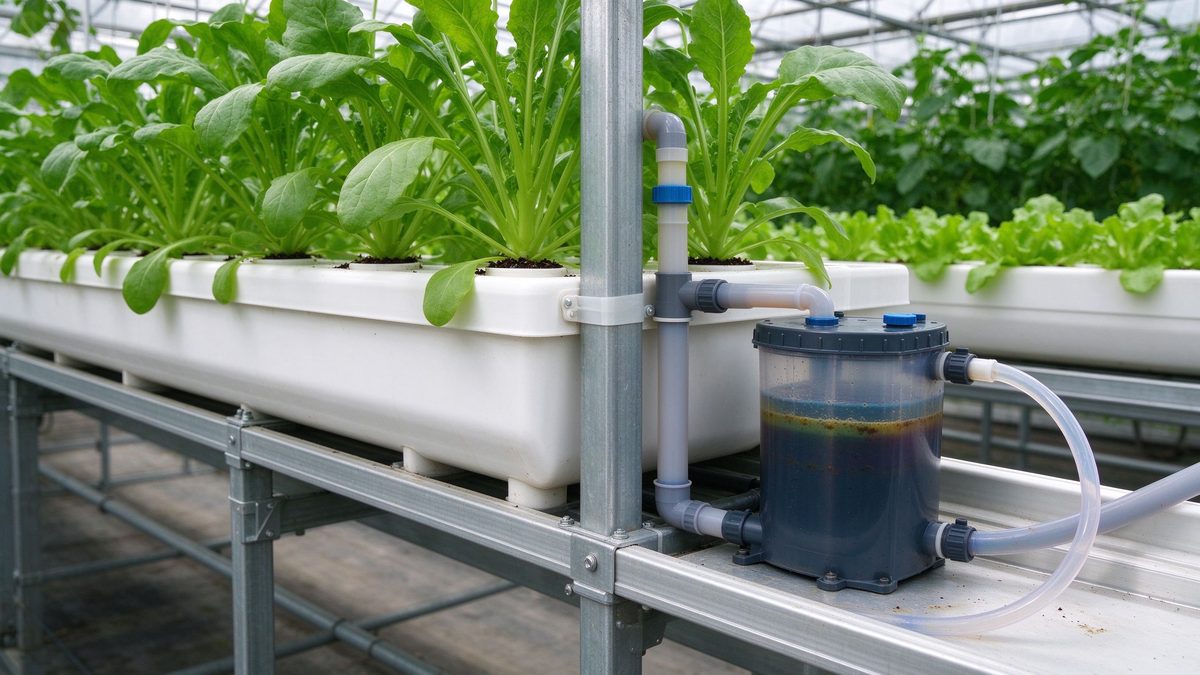
Greenhouse Seedling Production: Propagation and Grafting Nursery Technology
The Nursery Sets the Crop A seedling carries the season's potential into the greenhouse. Uniform, well-hardened transplants establish quickly and flower on schedule; uneven ones produce a crop that never catches up, with staggered harvests and inconsistent pack sizes. Nursery practice is therefore commercial practice. The decision about tray type, substrate, and lighting at propagation…
-
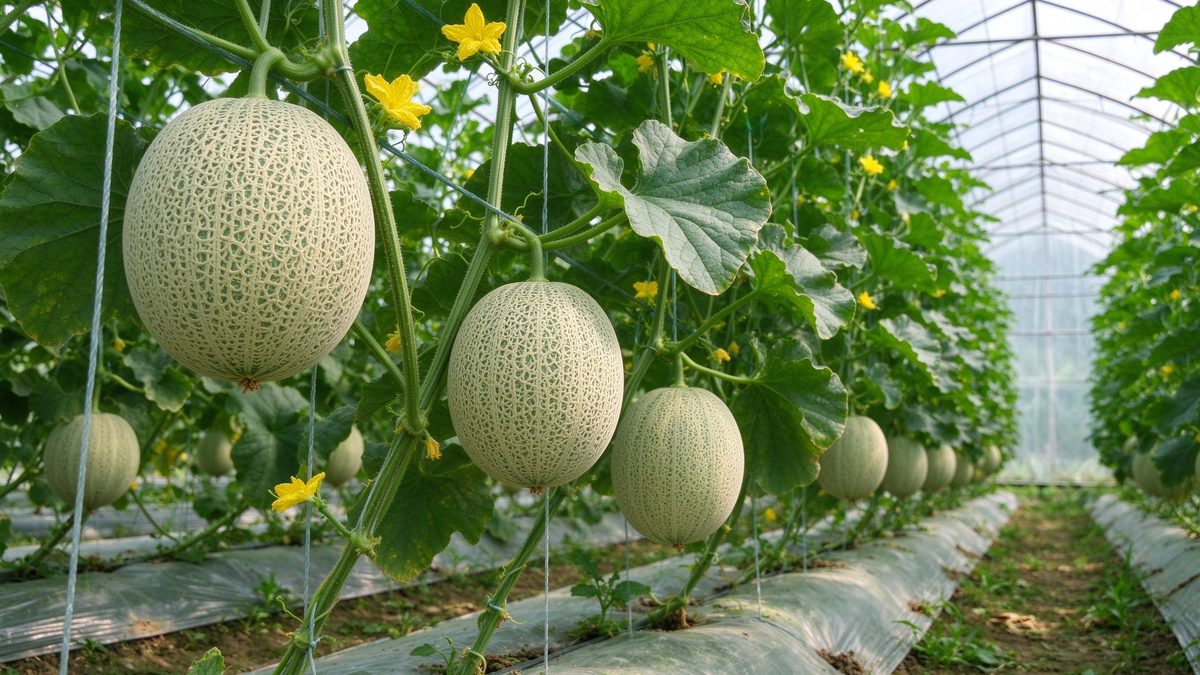
Blossom-End Rot and Calcium Nutrition in Greenhouse Tomato
Why Fruit Fails to Get Calcium Blossom-end rot appears as a dark, sunken patch at the fruit's blossom end, but it begins long before the symptom. Calcium moves with the transpiration stream, and the fruit, which transpires very little, is the last organ to receive water and with it calcium. Anything that reduces transpiration, or…
-
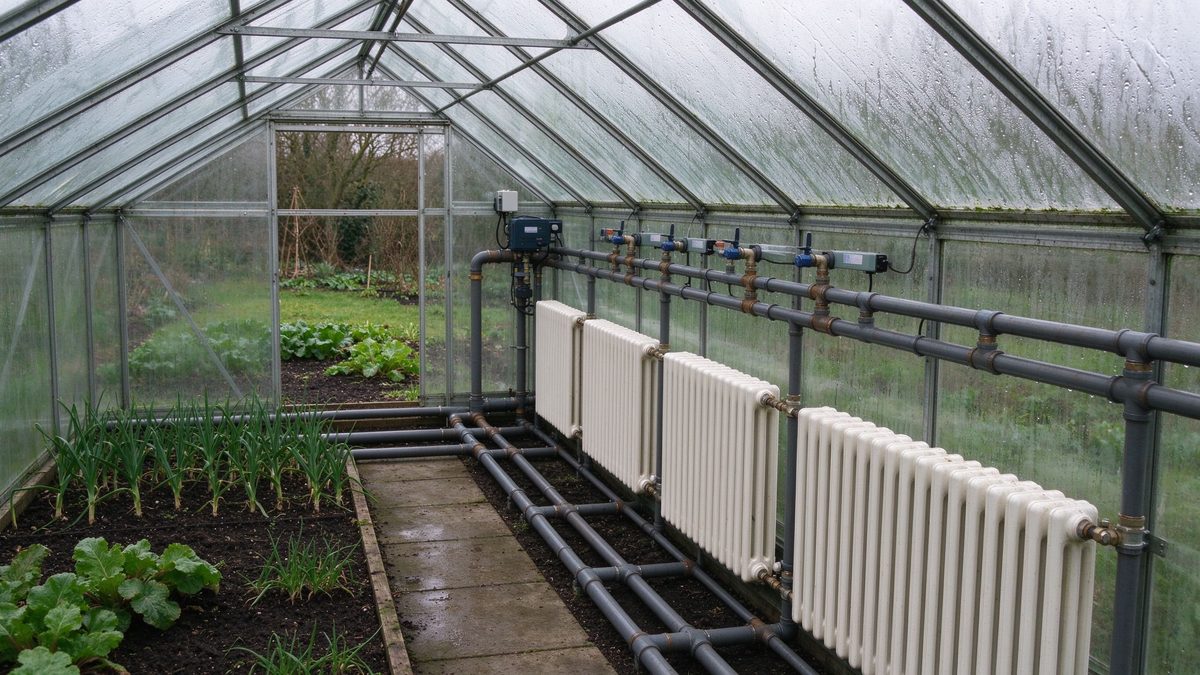
Powdery and Downy Mildew Management in Greenhouse Cucurbits
Two Diseases, Two Mechanisms Powdery mildew appears as white, floury colonies on leaf surfaces and develops under warm, dry, bright conditions. Downy mildew produces angular yellow lesions bounded by veins, with grey sporulation underneath, and requires leaf wetness to infect. Treating them as one problem is a common and expensive error. The conditions that favour…
-
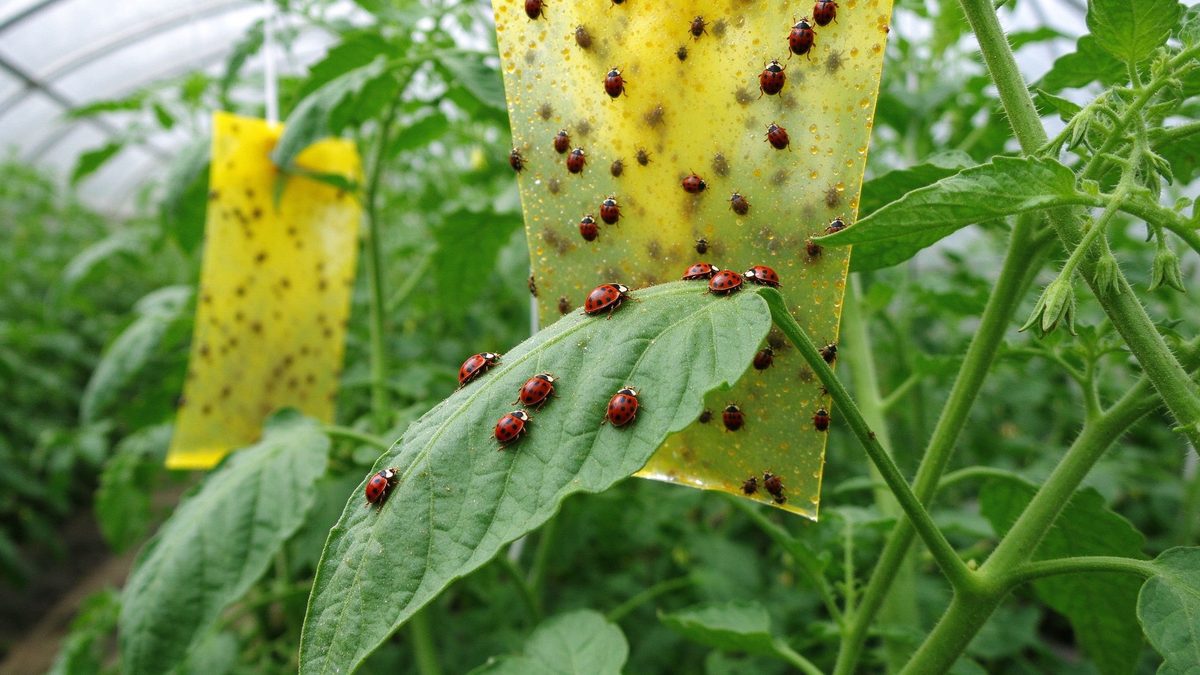
Organic Greenhouse Production: Standards, Inputs and Practice
What Certified Organic Means Under Glass Organic certification is a process standard, not a product claim. It governs allowed inputs, soil management, pest control, and record keeping, and it applies to protected production as much as to field crops. Protected systems raise specific questions for certifiers: whether the crop is grown in soil or substrate,…
-
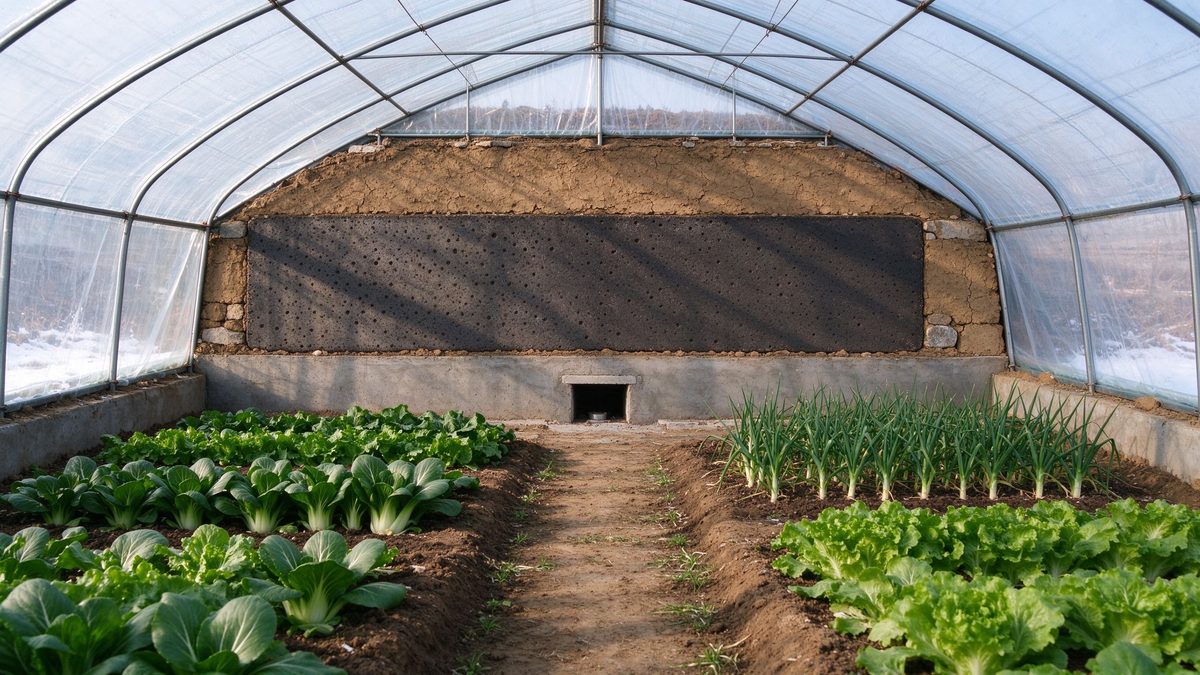
Sensors, Alarms and Remote Monitoring in Greenhouse Operations
Why Sensor Placement Decides Everything A climate computer is only as good as the readings it receives. A temperature sensor mounted in direct sun reads high; one mounted near an inlet reads low. Both produce a controller that acts confidently on wrong information. Representative placement means canopy height, shielded from radiation, and away from doors,…
-
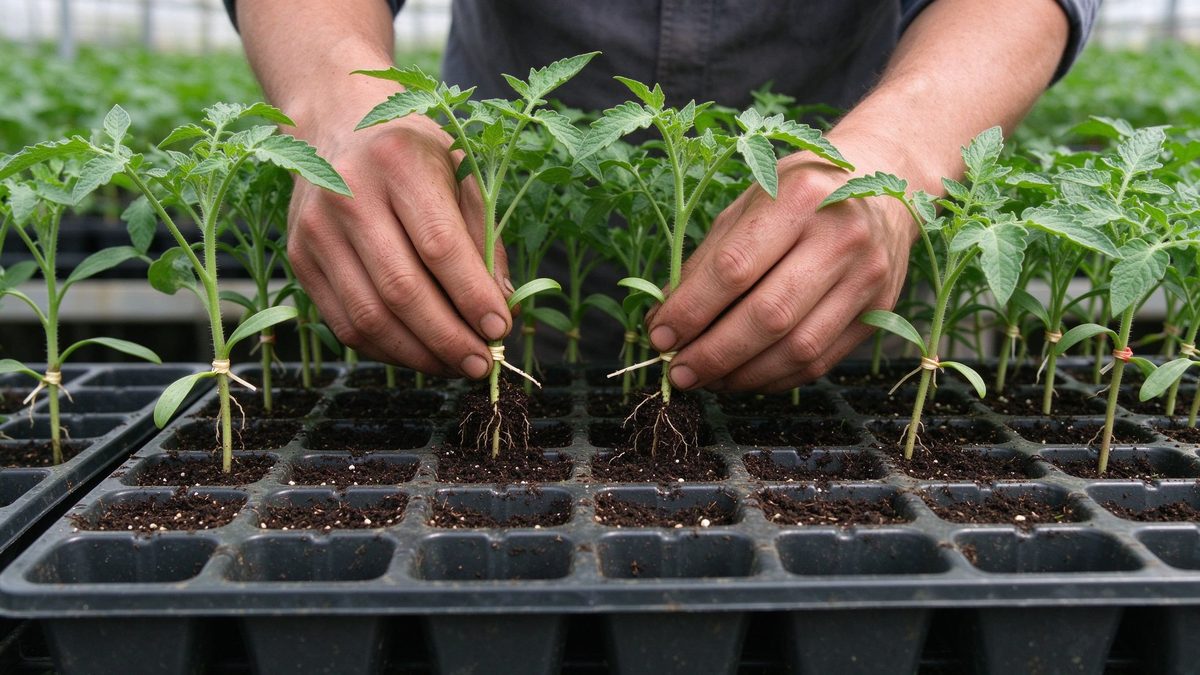
Root-Knot Nematode Management in Protected Cropping
The Hidden Cost of Infestation Root-knot nematodes invade roots and force the plant to build galls instead of functioning root tissue. Above ground, the symptom is a slow, uneven crop: plants that wilt at midday, grow smaller, and yield progressively less across the season. In protected systems the problem compounds, because soil is never rested…
-
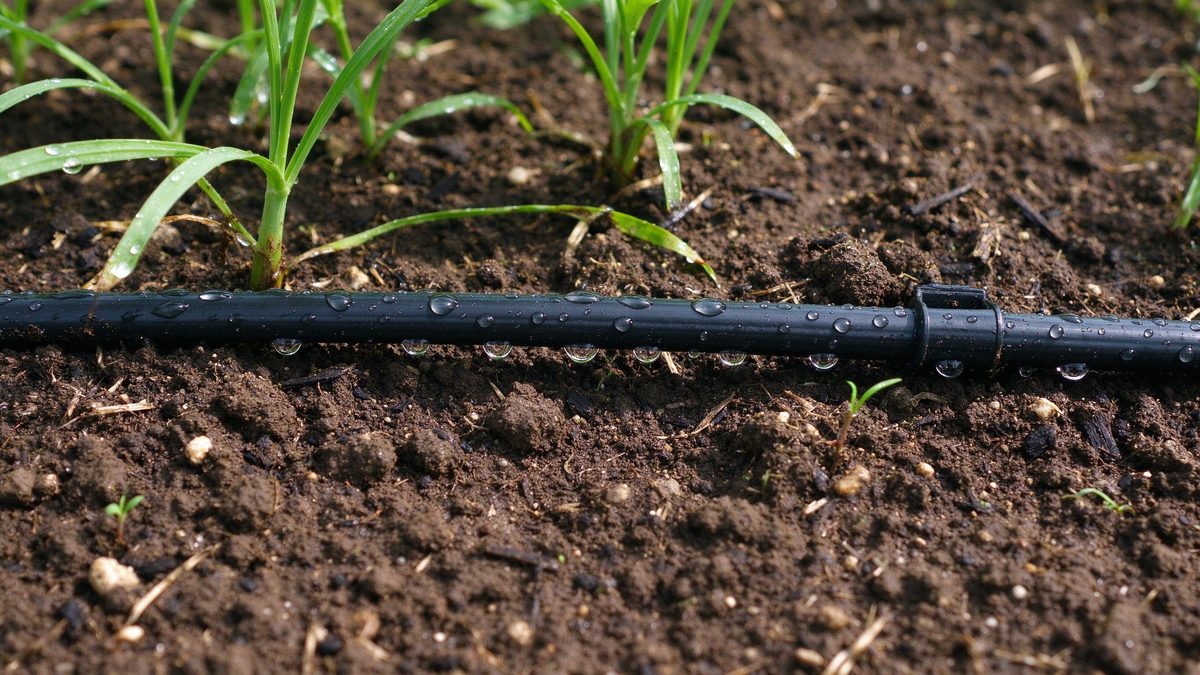
Tomato Fruit Quality: Brix, Firmness and Shelf Life
Why Brix Is Not a Single Number Soluble solids measure the sugars and acids dissolved in the fruit, and a reading taken from one fruit tells you about that fruit only. Within a single truss, and certainly within a block, values can differ by two or three degrees depending on position, light, and water status.…