
Introduction
Grafted tomatoes are standard in modern greenhouses. High-yield scion with vigorous rootstock delivers superior performance. Shouguang Zhongtian supports grafted transplant production.
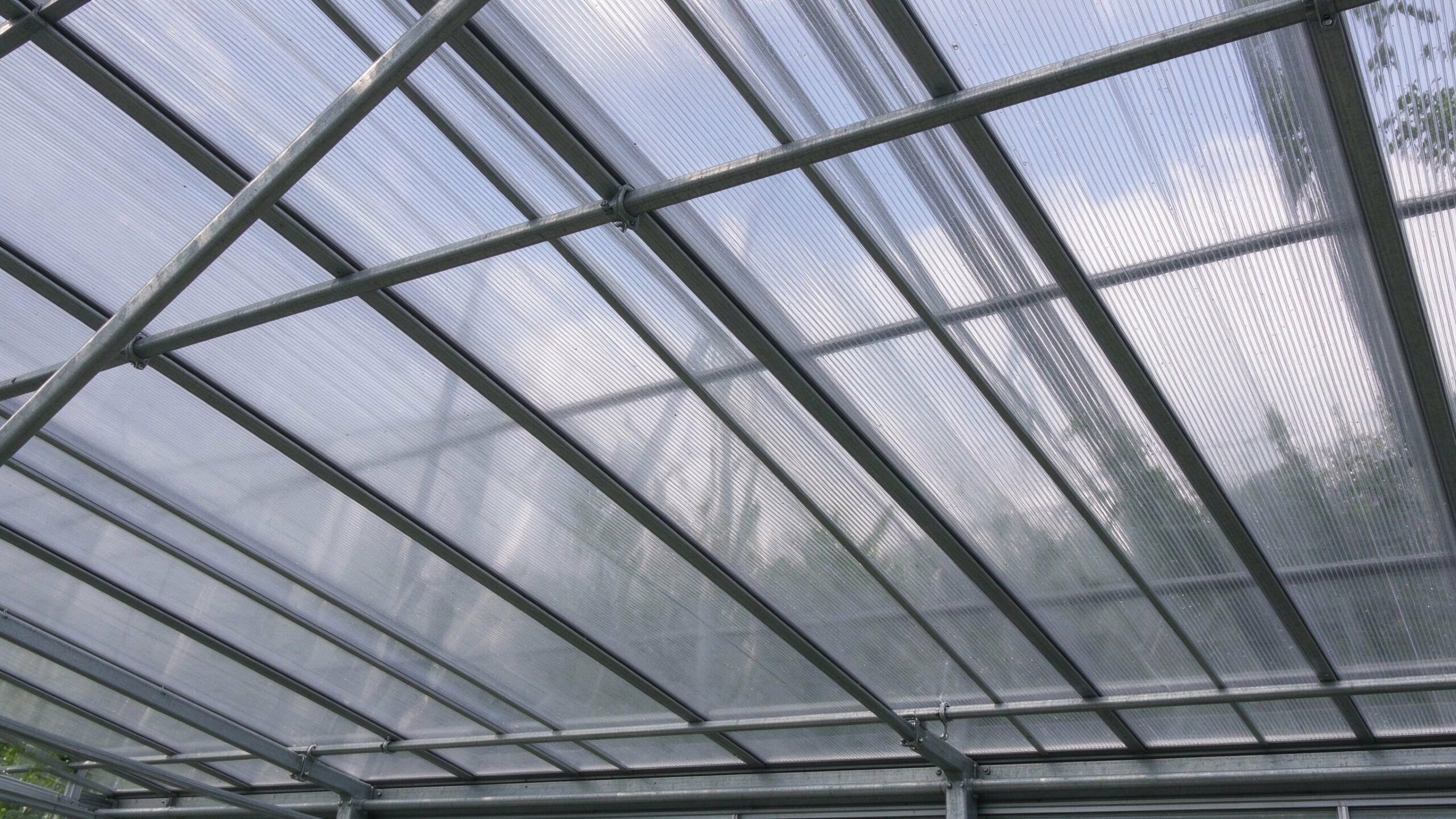
Figure 1: Modern greenhouse by Shouguang Zhongtian
Why Graft
Grafted plants resist fusarium, verticillium, and bacterial wilt. Vigorous rootstocks improve uptake for earlier yields. Produce for 10 to 12 months.
Grafting Process
Scion and rootstock grafted when first true leaves appear. Stem cut diagonally and joined. Heal in high humidity for 4 to 7 days.
Figure 2: Professional growing system
Rootstock Options
Maxifort, Emperador, and Armstrong offer different vigor. Choice depends on soil and climate.
Grafted plants cost 2 to 3 times more than non-grafted transplants but the yield improvement justifies the investment, especially for long-term greenhouse crops.
Maxifort is a vigorous rootstock ideal for long-season crops. Emperador offers moderate vigor with broad disease resistance. Estamino provides good resistance to corky root. Choice depends on soil type, crop duration, and climate.
Rootstock Selection Guide
The healing period takes 4 to 7 days in a controlled chamber at 95 percent humidity and 25 degrees. After healing, plants are acclimated to normal greenhouse conditions before shipping.
Large nurseries graft millions of tomato plants annually using specialized grafting clips and healing chambers. Grafting machines can perform thousands of grafts per hour. Hand grafting remains common for specialty varieties.
Commercial Grafting Operations
Grafted plants also reduce disease pressure, lowering pesticide costs. The investment pays back within the first month of harvest. Commercial nurseries supply grafted plants to growers worldwide.
Grafted tomato transplants cost $0.80 to $1.50 each versus $0.20 to $0.40 for non-grafted. However, grafted plants produce 20 to 40 percent more fruit over a longer season, more than justifying the premium.
Economics of Grafted Plants
Cleft grafting is used for larger-diameter stems. Approach grafting preserves both root systems until union. Healing chambers maintain high humidity and reduced light for 4 to 7 days after grafting.
The most common commercial method is tube grafting, where both rootstock and scion are cut at matching angles and joined with a silicone clip. Tube grafting achieves 90 to 95 percent success with trained workers.
Grafting Techniques
Grafted plants are an investment that pays off in higher yields and disease resistance. Shouguang Zhongtian supplies grafting equipment and rootstock information for commercial nurseries.
Grafted plants establish more slowly initially but quickly outperform non-grafted plants. Provide consistent moisture and temperature during the first two weeks. Avoid over-fertilizing young grafted plants.
Grafted transplants require careful handling after delivery. Plant at the correct depth, ensuring the graft union remains above the growing medium. Burying the union defeats the purpose of grafting and can allow scion rooting.
Working with Grafted Plants
Whether you are building your first greenhouse or expanding an existing operation, choose suppliers who understand both engineering and horticulture. The right partner provides not just equipment, but long-term support that helps your business grow.
Monitor your crops and environment continuously. Small adjustments in temperature, humidity, irrigation, and nutrition compound into large differences in yield and quality over a growing season. Keep detailed records to learn from each crop cycle.
Successful greenhouse production depends on three pillars: a well-designed structure, precise environmental control, and disciplined crop management. Investing in quality equipment from the beginning prevents costly problems later. Start with a clear business plan and a realistic budget before construction begins.
Key Takeaways for Growers
Conclusion
Grafting protects yields and extends cycles. Shouguang Zhongtian provides infrastructure for grafted production.


