
Introduction
Greenhouse melons, including cantaloupe, honeydew, and specialty Asian varieties, produce premium fruit with high sugar content. Vertical training maximizes space and fruit quality. Shouguang Zhongtian designs greenhouse melon production systems.
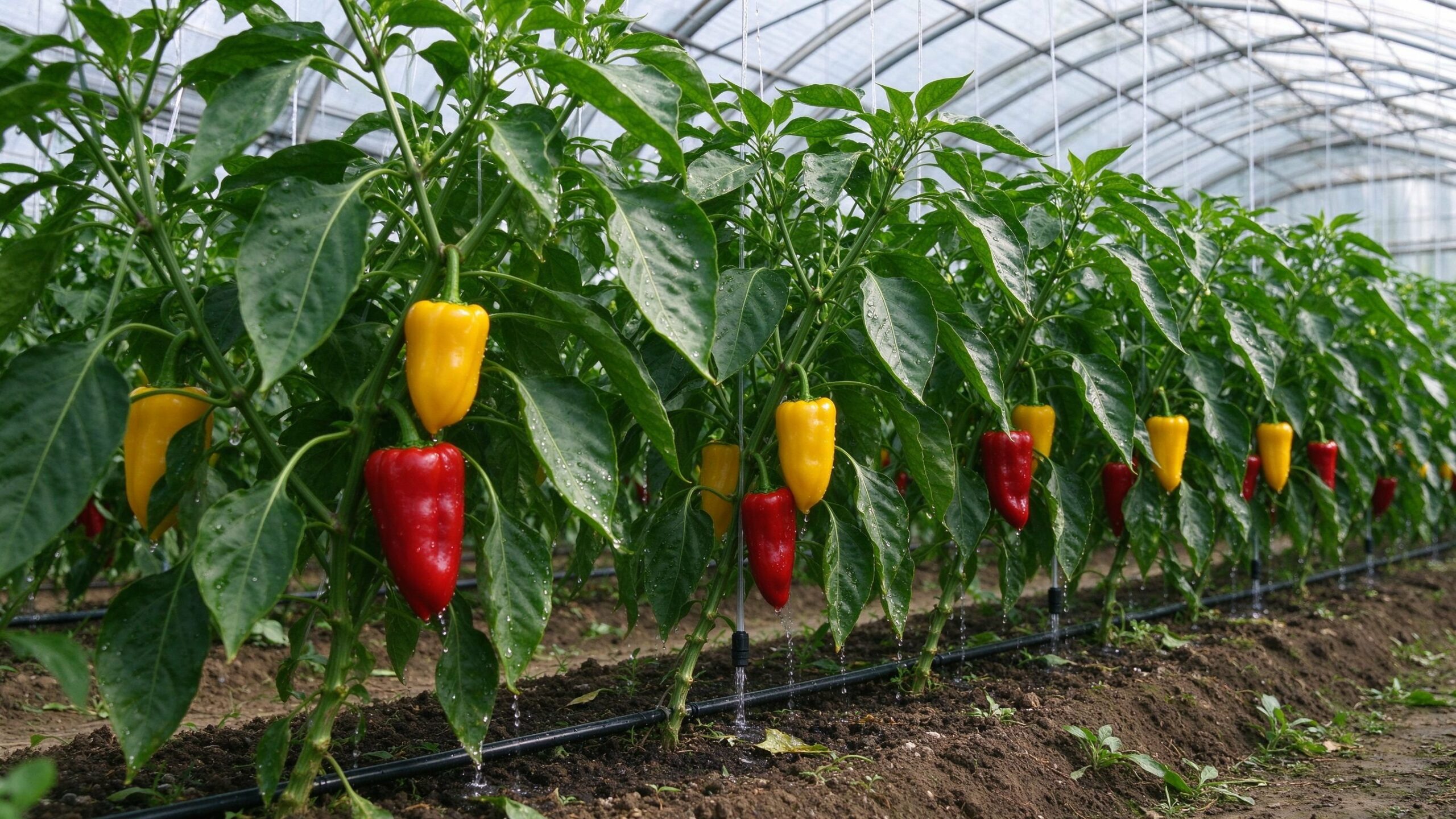
Figure 1: Modern greenhouse by Shouguang Zhongtian
Trellis Training
Melon vines are trained vertically on strings or trellises. Each developing fruit is supported by a net or sling to prevent it from falling. Vertical cultivation improves air circulation and reduces disease.
Climate Requirements
Melons require 25 to 32 degrees Celsius daytime and 18 to 20 degrees at night. They need high light for sugar accumulation. Relative humidity around 60 to 70 percent is ideal.
Figure 2: Professional growing system
Nutrition and Water
Melons have high nutrient demands during fruit development. Water is gradually reduced before harvest to concentrate sugars. Drip irrigation is preferred over overhead.
After fruit set, irrigation is gradually reduced to concentrate sugars. Harvest timing is critical: cantaloupes are picked when the stem separates easily, while honeydew is harvested based on color and aroma.
Honeybees or bumblebees are essential for melon pollination. Each fruit requires successful pollination of hundreds of ovules to develop into a uniform melon. Poor pollination results in misshapen fruit.
Pollination and Fruit Development
Greenhouse melons typically weigh 1.5 to 2.5 kilograms each. Trellised fruit develops more uniformly than ground-grown melons.
Cantaloupe muskmelons, honeydew, and specialty Asian melons like Korean and Japanese varieties are grown in greenhouses. Choose varieties with good disease resistance, high sugar content, and uniform fruit size. Grafted plants onto squash rootstocks provide soil-borne disease resistance.
Variety Selection
Post-harvest, melons are cooled to 10 degrees and stored for up to two weeks. Consistent temperature and care prevent surface decay. Premium melons are individually wrapped and packed in foam trays.
Signs of maturity vary by type: cantaloupes show a full slip between stem and fruit, honeydew develops a waxy bloom, and watermelon produces a dried tendril at the fruit node. Brix sugar content is measured with a refractometer.
Maturity and Quality
Plant density is typically 1.5 to 2.5 plants per square meter. The main stem is trained upward, and lateral branches are removed below the first fruit cluster.
Melon vines are trellised on vertical strings to save space and improve air circulation. Each developing fruit is supported in a net sling attached to the trellis, preventing vine breakage. Lateral shoots are pruned to direct energy to fruit production.
Trellising and Training
Premium greenhouse melons command excellent prices when quality is consistent. Shouguang Zhongtian provides trellising, irrigation, and climate control solutions for melon producers.
Harvest at the correct maturity stage for maximum eating quality. Melons harvested too early will not sweeten properly. Brix testing provides objective quality assessment. Proper post-harvest cooling preserves both flavor and shelf life.
Sugar development in melons depends on temperature, light, and water management. During the final two weeks before harvest, reduce irrigation slightly to concentrate sugars. Never stress the plants too severely or fruit size will suffer.
Maximizing Melon Quality
Conclusion
Greenhouse melons command premium prices. Shouguang Zhongtian helps growers produce high-quality melons with tailored systems.


