
Introduction
Interlighting fixtures between rows deliver light deep into the canopy, increasing photosynthesis in shaded leaves. Shouguang Zhongtian supplies interlighting for vine crops.
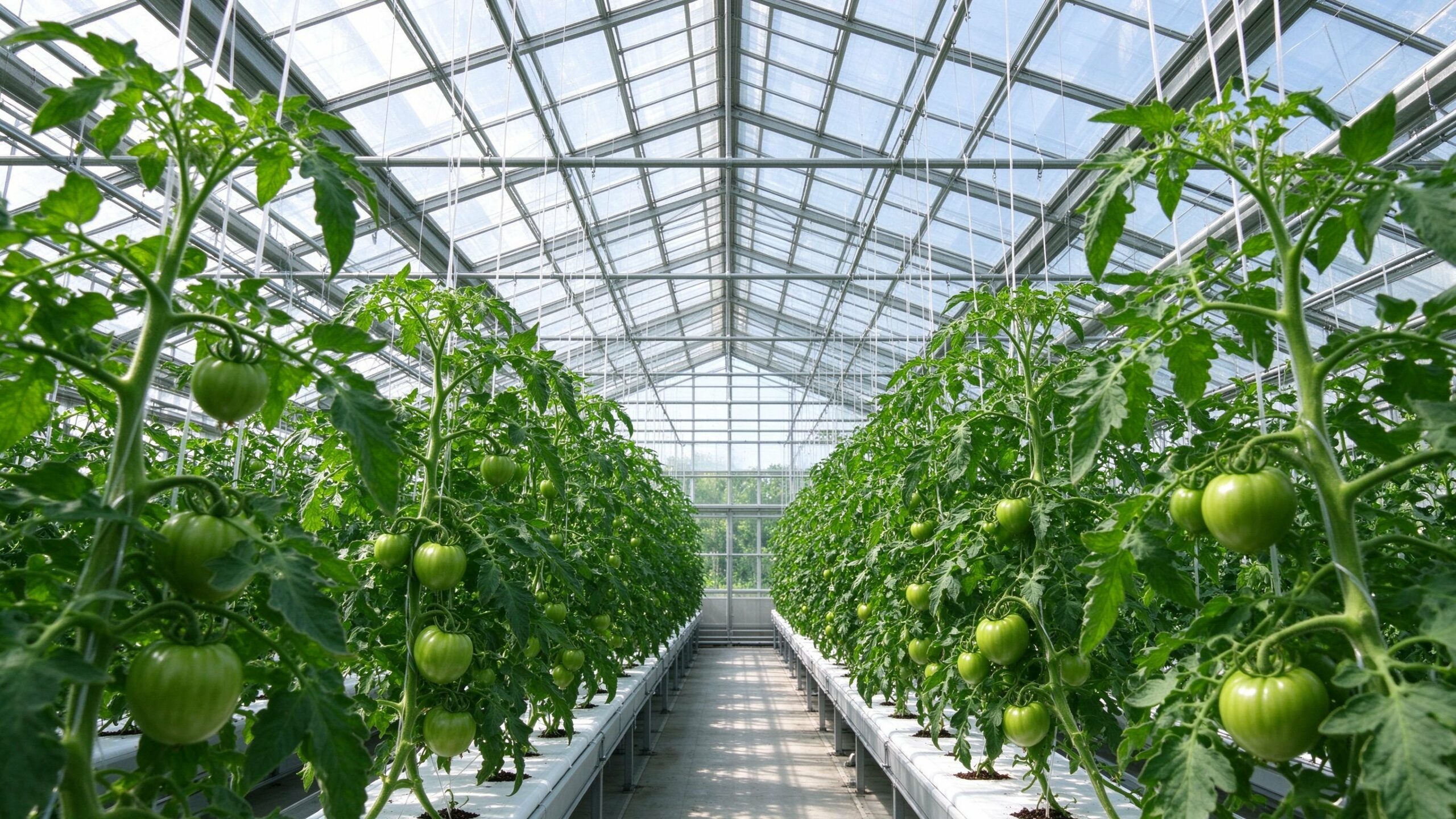
Figure 1: Modern greenhouse by Shouguang Zhongtian
How It Works
Top lighting only reaches the upper canopy. Interlight bars at strategic heights light middle and lower leaves, boosting yields by 15 to 25 percent.
Spectrum and Placement
Interlight LEDs focus on red and blue. Placed at two or three canopy levels. Smart controls dim based on natural light.
Figure 2: Professional growing system
Economics
Interlighting adds energy but yield increase justifies cost. Modern LEDs are highly efficient.
While interlighting adds capital and energy costs, the yield increase typically provides a positive return on investment within one growing cycle.
Interlight LEDs use red and blue spectra optimized for canopy penetration. Fixtures are water-resistant for greenhouse humidity. Smart controls adjust interlight intensity based on available natural sunlight.
Installation and Control
Studies show interlighting increases tomato yields by 15 to 25 percent, particularly in winter. The added light also improves fruit quality and extends harvest season.
Traditional top lighting only illuminates the upper canopy leaves. Lower leaves are shaded and contribute little to photosynthesis. Interlighting bars placed between crop rows at 1.5 and 2.5 meter heights illuminate these lower leaves.
How Interlighting Works
Smart controls dim interlights on bright days and increase them on cloudy days, maximizing productivity per kilowatt-hour. Heat from LEDs also contributes to greenhouse heating in winter.
Interlighting adds 20 to 40 percent to the total electric lighting bill. The yield increase of 15 to 25 percent typically provides a return on investment within 1 to 2 years. Fixture lifespan of 50,000 hours reduces replacement costs.
ROI and Energy
Light distribution must be uniform across the row. Fixture spacing and height are calculated to provide 50 to 100 micromoles per square second at the lower canopy.
Interlight fixtures typically emit 80 to 90 percent red and 10 to 20 percent blue light. Red light penetrates deeper into the canopy, while blue light drives compact growth. Some fixtures add far-red to manipulate plant architecture.
Light Spectrum and Canopy
LED interlighting represents the cutting edge of greenhouse lighting. Shouguang Zhongtian provides LED solutions optimized for commercial crop production.
Work with an experienced lighting integrator to design fixture placement, spectrum, and control strategy. Proper installation ensures uniform canopy illumination without hot spots.
Interlighting is most beneficial in high-wire tomato and cucumber crops grown under supplemental lighting. In low-light regions, interlighting plus top LED can dramatically boost winter yields. Calculate expected ROI before investment.
Planning an Interlighting Installation
Whether you are building your first greenhouse or expanding an existing operation, choose suppliers who understand both engineering and horticulture. The right partner provides not just equipment, but long-term support that helps your business grow.
Monitor your crops and environment continuously. Small adjustments in temperature, humidity, irrigation, and nutrition compound into large differences in yield and quality over a growing season. Keep detailed records to learn from each crop cycle.
Successful greenhouse production depends on three pillars: a well-designed structure, precise environmental control, and disciplined crop management. Investing in quality equipment from the beginning prevents costly problems later. Start with a clear business plan and a realistic budget before construction begins.
Key Takeaways for Growers
Conclusion
Interlighting maximizes productivity. Shouguang Zhongtian provides integrated lighting solutions.


