
Introduction
Proper post-harvest handling preserves quality and extends shelf life. Even the best crop loses value if not cooled and packaged correctly. Shouguang Zhongtian supports growers with harvest-area design.
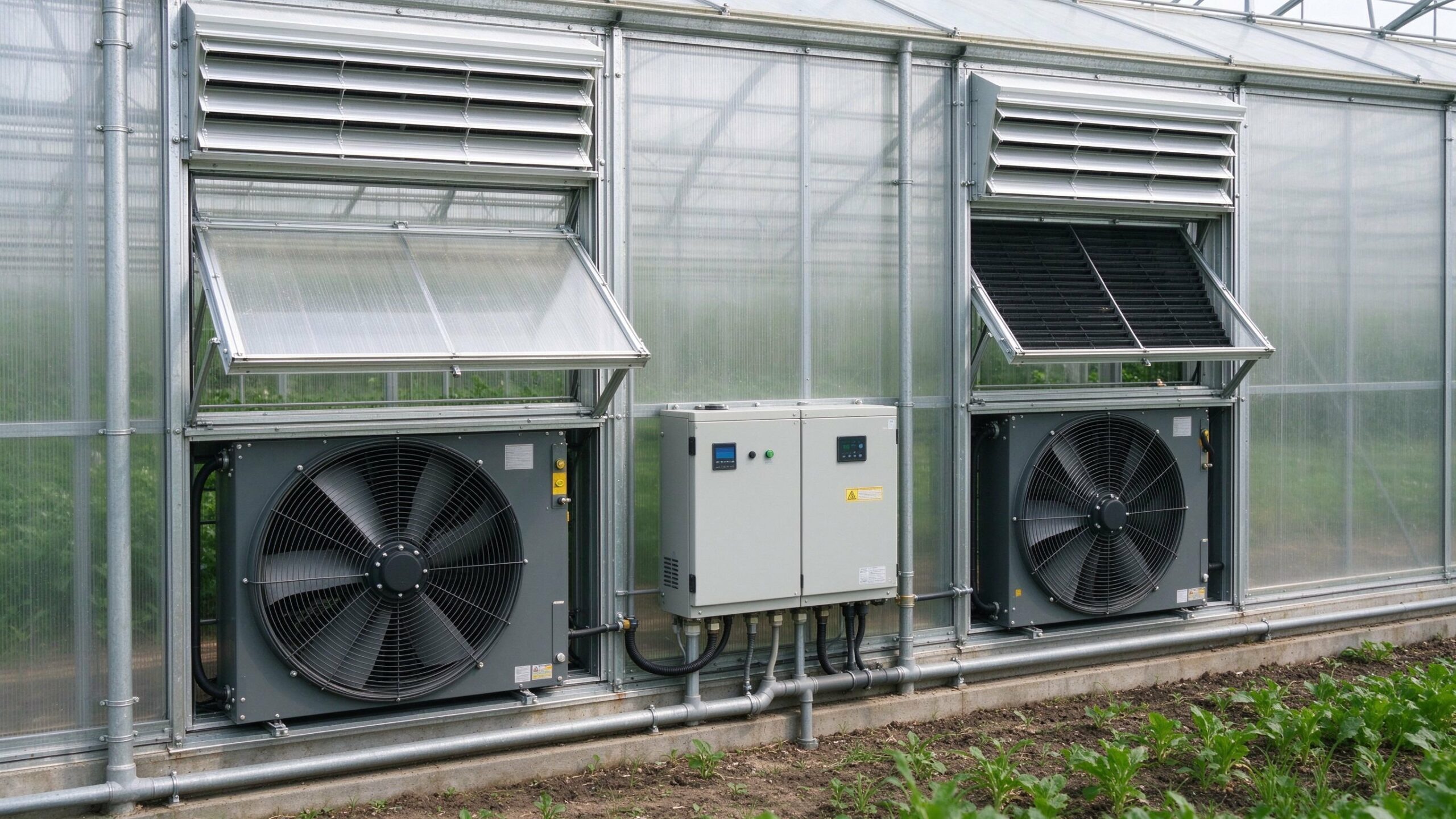
Figure 1: Modern greenhouse by Shouguang Zhongtian
Cooling
Rapid cooling removes field heat and slows respiration. Hydrocooling, forced-air, and vacuum cooling are common. Leafy greens cool to 0 to 4 degrees; tomatoes to 12 to 15.
Packaging
Clamshells, vented bags, and cardboard boxes protect produce during transport. Packaging allows air circulation while reducing moisture loss.
Figure 2: Professional growing system
Cold Chain
Continuous refrigeration from harvest to retail is critical. Temperature fluctuations accelerate decay. Modern facilities include cooling rooms and sorting lines.
Cold room storage should maintain consistent temperature and humidity. Stacking patterns allow air circulation. First-in, first-out inventory management ensures product freshness.
Modified atmosphere packaging extends shelf life by adjusting oxygen and carbon dioxide levels. Humidity control prevents wilting. Clamshell containers protect delicate fruit during handling.
Packaging and Storage
Rapid cooling within 30 minutes of harvest preserves quality. The target temperature depends on crop: leafy greens at 0 to 4 degrees, tomatoes at 12 to 15, and peppers at 7 to 10 degrees.
Forced-air cooling pulls cold air through vented boxes, rapidly removing field heat. Hydrocooling immerses produce in cold water, ideal for root vegetables and some fruiting crops. Vacuum cooling is fastest for leafy greens but requires specialized equipment.
Cooling Methods
Rapid cooling immediately after harvest is the single most important factor in shelf life. Produce left at ambient temperature loses quality irreversibly within hours.
The cold chain must remain unbroken from harvest to retail display. Refrigerated trucks and containers maintain target temperatures. Temperature data loggers verify chain integrity during transit.
Cold Chain Management
Consistent grading builds buyer trust and commands premium prices. Rejecting substandard product before shipping prevents customer complaints and returns.
Produce is graded by size, color, shape, and freedom from defects. Grading standards are set by wholesale markets and individual buyers. Electronic sorting machines use cameras to sort fruit by color and size at high speed.
Quality Grading
Good post-harvest handling directly improves bottom line. Shouguang Zhongtian provides greenhouse infrastructure that supports clean, efficient harvest operations.
Invest in simple packaging that protects product and communicates quality. Consistent grading builds buyer trust. Train harvest workers to handle product gently and follow grade standards.
The single biggest improvement in post-harvest quality is rapid cooling. A cold room or forced-air cooling unit pays for itself in reduced spoilage. Harvest during the coolest part of the day and move product to cooling immediately.
Improving Post-Harvest Quality
Whether you are building your first greenhouse or expanding an existing operation, choose suppliers who understand both engineering and horticulture. The right partner provides not just equipment, but long-term support that helps your business grow.
Monitor your crops and environment continuously. Small adjustments in temperature, humidity, irrigation, and nutrition compound into large differences in yield and quality over a growing season. Keep detailed records to learn from each crop cycle.
Successful greenhouse production depends on three pillars: a well-designed structure, precise environmental control, and disciplined crop management. Investing in quality equipment from the beginning prevents costly problems later. Start with a clear business plan and a realistic budget before construction begins.
Key Takeaways for Growers
Conclusion
Post-harvest quality is as important as growing quality. Shouguang Zhongtian integrates harvest areas into designs.


