
Introduction
Strict sanitation practices are the first line of defense against pests and diseases. Clean facilities between crops, proper hygiene, and controlled access prevent pathogen introduction. Shouguang Zhongtian designs greenhouses with sanitation in mind.
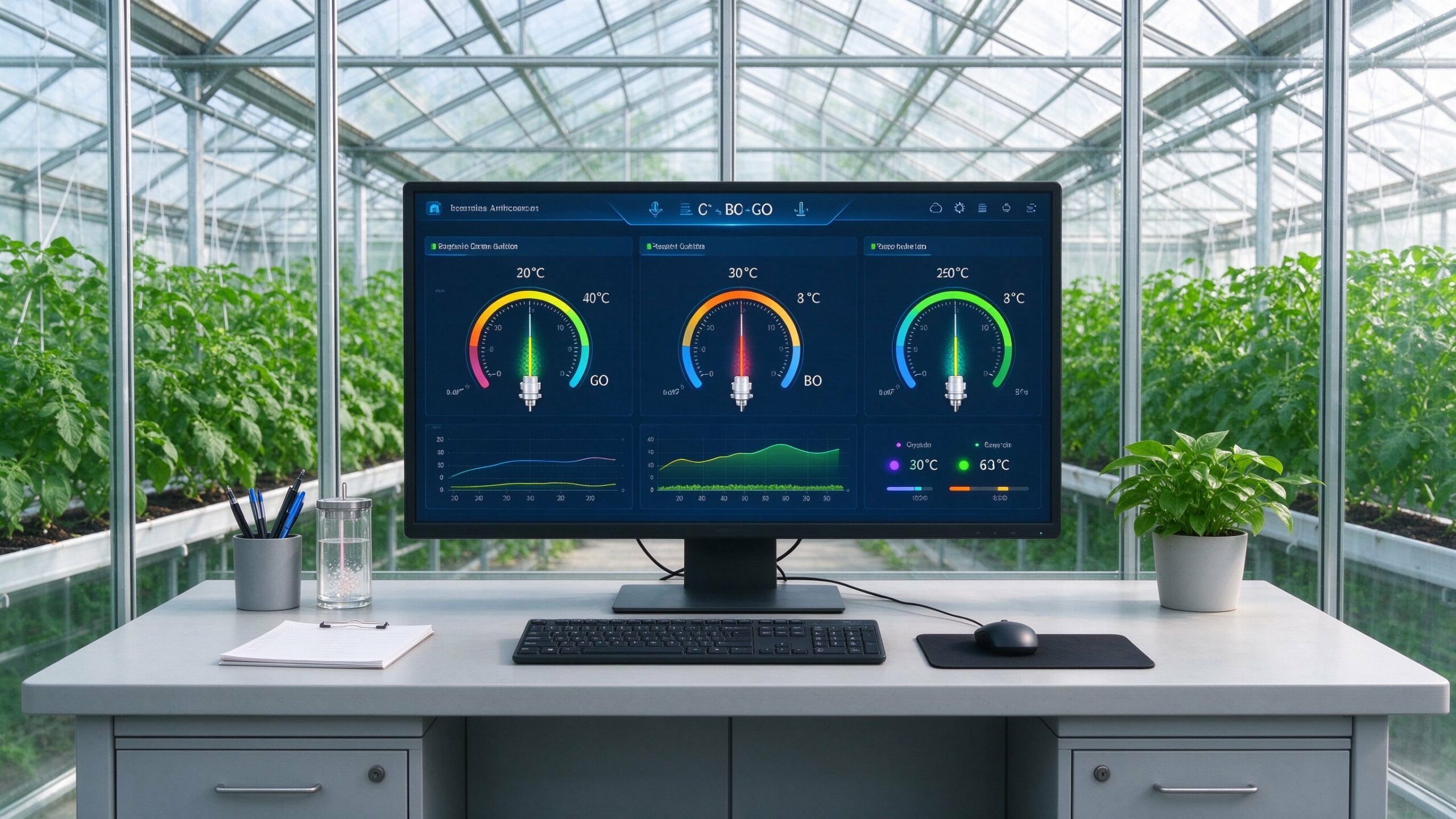
Figure 1: Modern greenhouse by Shouguang Zhongtian
Between-Crop Cleaning
After each crop cycle, remove all plant debris and disinfect structures, benches, and equipment. Fumigation may be necessary for stubborn diseases. Replace disposable substrates and sterilize reusable ones.
Ongoing Hygiene
Workers wear clean clothing and wash hands before entering. Foot baths with disinfectant are placed at entrances. Tools are disinfected regularly. New plants are isolated before introduction.
Figure 2: Professional growing system
Weed Management
Weeds inside and around the greenhouse harbor pests and diseases. Keep the perimeter clean. Screen vents and doors to prevent insect entry.
Limit greenhouse access to essential personnel. Visitors should wear protective clothing and shoe covers. These practices prevent accidental introduction of pests and pathogens.
All new plant material should be inspected and quarantined for at least one week before introduction to the main greenhouse. Monitor incoming transplants for pests and diseases. Regular scouting with sticky traps provides early warning of infestations.
Quarantine and Monitoring
Fumigation with sulfur or formalin may be necessary for persistent diseases like powdery mildew or root rot. Tools, trays, and benches should be disinfected before reuse. Replace disposable growing media.
Between crops, all surfaces should be washed with soap and water, then treated with an approved disinfectant. Common disinfectants include hydrogen peroxide-based products, quaternary ammonium compounds, and bleach solutions at appropriate dilutions.
Disinfection Protocols
Standardized waste stations with labeled bins for plant debris, plastic, and general waste streamline cleanup. Good sanitation dramatically reduces pesticide dependency and crop loss.
Remove and destroy diseased plants immediately, bagging them before removal to prevent spore dispersal. Compost only healthy plant material at high temperatures. Discard media and root debris away from production areas.
Waste Management
Double-door entryways with air locks prevent pest entry when doors are opened. Foot baths containing disinfectant at entries reduce pathogen transfer on footwear. Regular perimeter weed control eliminates pest refuges.
Screen vents with insect-proof mesh to exclude whiteflies, aphids, thrips, and moths. The finest mesh practical depends on climate: finer mesh excludes more pests but reduces airflow and may require supplemental cooling.
Pest Exclusion
Good sanitation protects crop investment and reduces pesticide dependency. Shouguang Zhongtian recommends sanitation best practices for every greenhouse operation.
Provide hand washing stations and disinfectant footbaths at every entrance. Train all workers on sanitation protocols. Regular audits identify areas for improvement. The cost of sanitation is trivial compared to the cost of a disease outbreak.
Sanitation should be integrated into daily routines, not treated as a periodic task. Clean as you go: remove yellow leaves immediately, wipe up spills, and keep walkways clear. A clean greenhouse is easier to manage and healthier for crops.
Building a Sanitation Culture
Conclusion
Sanitation reduces pesticide dependence and crop loss. Shouguang Zhongtian builds greenhouses with smooth, easy-to-clean surfaces.


