
Introduction
Strategic crop planning maximizes greenhouse utilization year-round. Succession planting and rotation ensure continuous production and reduce disease. Shouguang Zhongtian advises on optimal crop scheduling.
Figure 1: Modern greenhouse by Shouguang Zhongtian
Succession Planting
Plant new crops as previous ones wind down to minimize empty bench time. Spring lettuce can follow summer cucumbers. Careful timing maximizes annual production.
Rotation Benefits
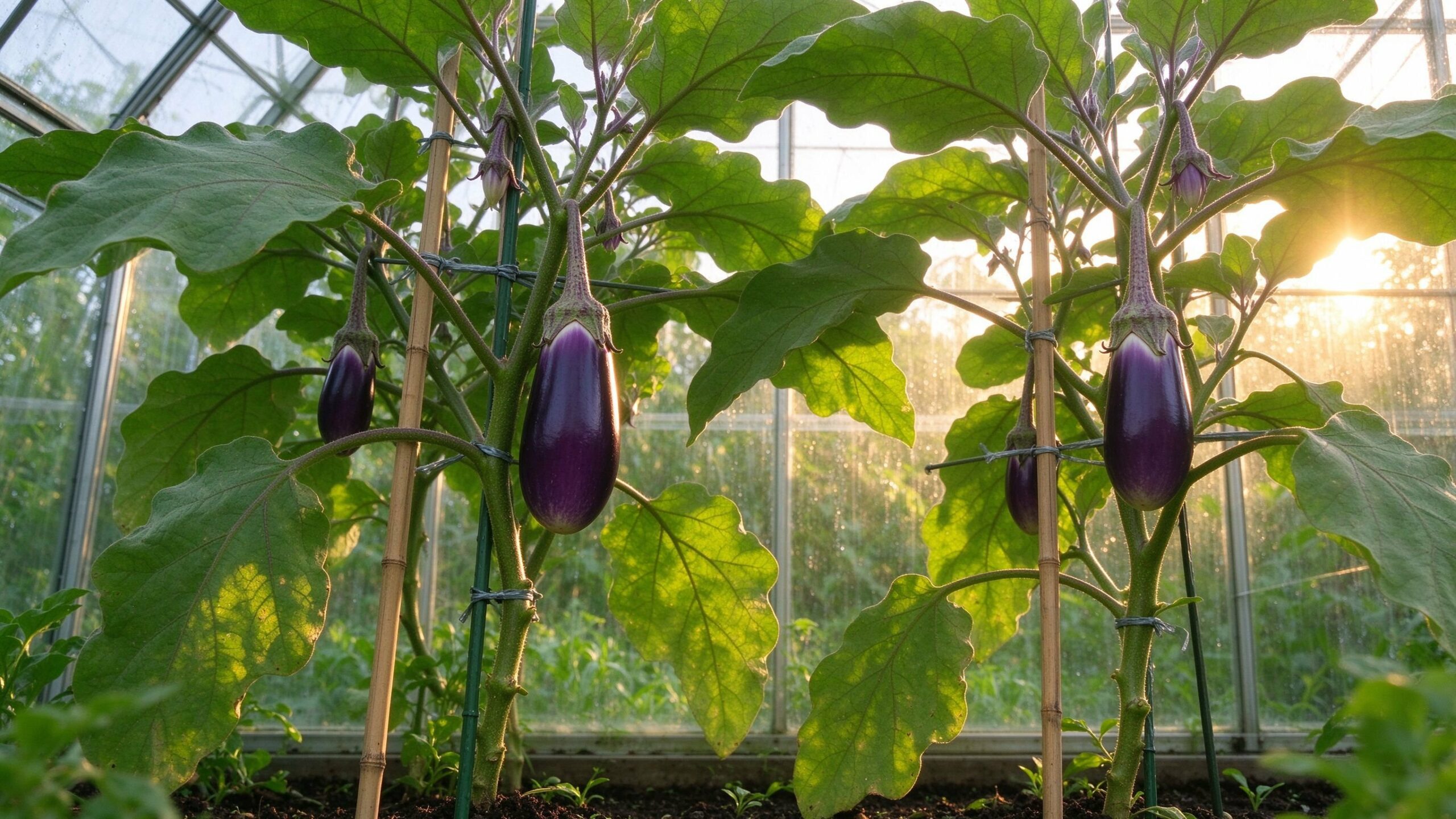
Rotating between plant families prevents host-specific pest buildup. Moving from solanaceous to cucurbit crops breaks pest cycles.
Figure 2: Professional growing system
Seasonal Planning
Warm-season crops occupy the greenhouse spring through fall. Cool-season crops grow in winter with supplemental lighting.
Careful scheduling minimizes empty bench time. Transplanting the next crop immediately after the previous one is removed maximizes annual production per square meter.
In temperate climates, the main crop cycle runs from spring through fall with warm-season crops. Winter production focuses on cool-season leafy greens, herbs, and specialty crops. Greenhouse space can be divided into blocks with different crops at different stages.
Planning the Year
Cover crops during fallow periods improve soil structure and suppress weeds. Mustard and other brassica cover crops release biofumigant compounds that reduce soil-borne disease pressure.
Rotating between plant families prevents buildup of host-specific pests and diseases. Solanaceous crops like tomatoes and peppers share diseases with each other but not with cucurbits or leafy greens. A three-year rotation cycle is ideal.
Rotation Principles
The economic value of rotation extends beyond disease control: better soil structure and nutrient cycling reduce fertilizer costs and improve crop vigor over successive seasons.
During non-production periods, planting mustard, oats, or clover improves soil organic matter and suppresses nematodes. Mustard releases glucosinolates that biofumigate soil. Cover crops are incorporated before they set seed.
Green Manure and Cover Crops
Grafted plants on resistant rootstocks allow continuous solanaceous production without soil fumigation. This is the most common approach in modern greenhouse vegetable production.
Continuous cropping of the same species in the same greenhouse leads to buildup of Fusarium, Verticillium, and nematodes. Rotation with non-host crops breaks these cycles. Soil solarization during summer fallow provides additional pest control.
Soil-Borne Disease Management
Thoughtful rotation prevents disease buildup and maintains soil health. Shouguang Zhongtian works with growers to develop sustainable production systems for the long term.
Document what was planted where each season. Maintain records for at least three years. This helps identify emerging disease problems and plan future rotations. Soil tests every spring guide fertility decisions.
A good rotation plan groups crops by family and schedules them to follow non-hosts. For example: tomatoes (solanaceae) followed by lettuce (asteraceae) followed by beans (fabaceae). Allow at least two seasons between solanaceous crops in the same soil.
Designing Your Rotation Plan
Whether you are building your first greenhouse or expanding an existing operation, choose suppliers who understand both engineering and horticulture. The right partner provides not just equipment, but long-term support that helps your business grow.
Monitor your crops and environment continuously. Small adjustments in temperature, humidity, irrigation, and nutrition compound into large differences in yield and quality over a growing season. Keep detailed records to learn from each crop cycle.
Successful greenhouse production depends on three pillars: a well-designed structure, precise environmental control, and disciplined crop management. Investing in quality equipment from the beginning prevents costly problems later. Start with a clear business plan and a realistic budget before construction begins.
Key Takeaways for Growers
Conclusion
Well-planned rotation maximizes profitability. Shouguang Zhongtian helps design production calendars.


