
Introduction
Automation handles repetitive tasks, reducing labor dependence and improving consistency. Shouguang Zhongtian integrates automation into designs.
Figure 1: Modern greenhouse by Shouguang Zhongtian
Irrigation Automation
Sensor-controlled irrigation delivers nutrients precisely. Weather stations adjust based on evapotranspiration.
Climate Automation
Climate computers manage vents, screens, heating, and CO2 automatically. Growers monitor via dashboards.
Figure 2: Professional growing system
Emerging Technologies
Robotic harvesting and computer vision are emerging. These address labor shortages.
While full automation requires significant investment, even basic sensor-based control reduces labor and improves consistency.
Automated harvesting robots for tomatoes and cucumbers are in commercial development. Computer vision systems detect pests, diseases, and fruit ripeness. Automated guided vehicles transport harvested crop to packing areas.
Robotics and AI
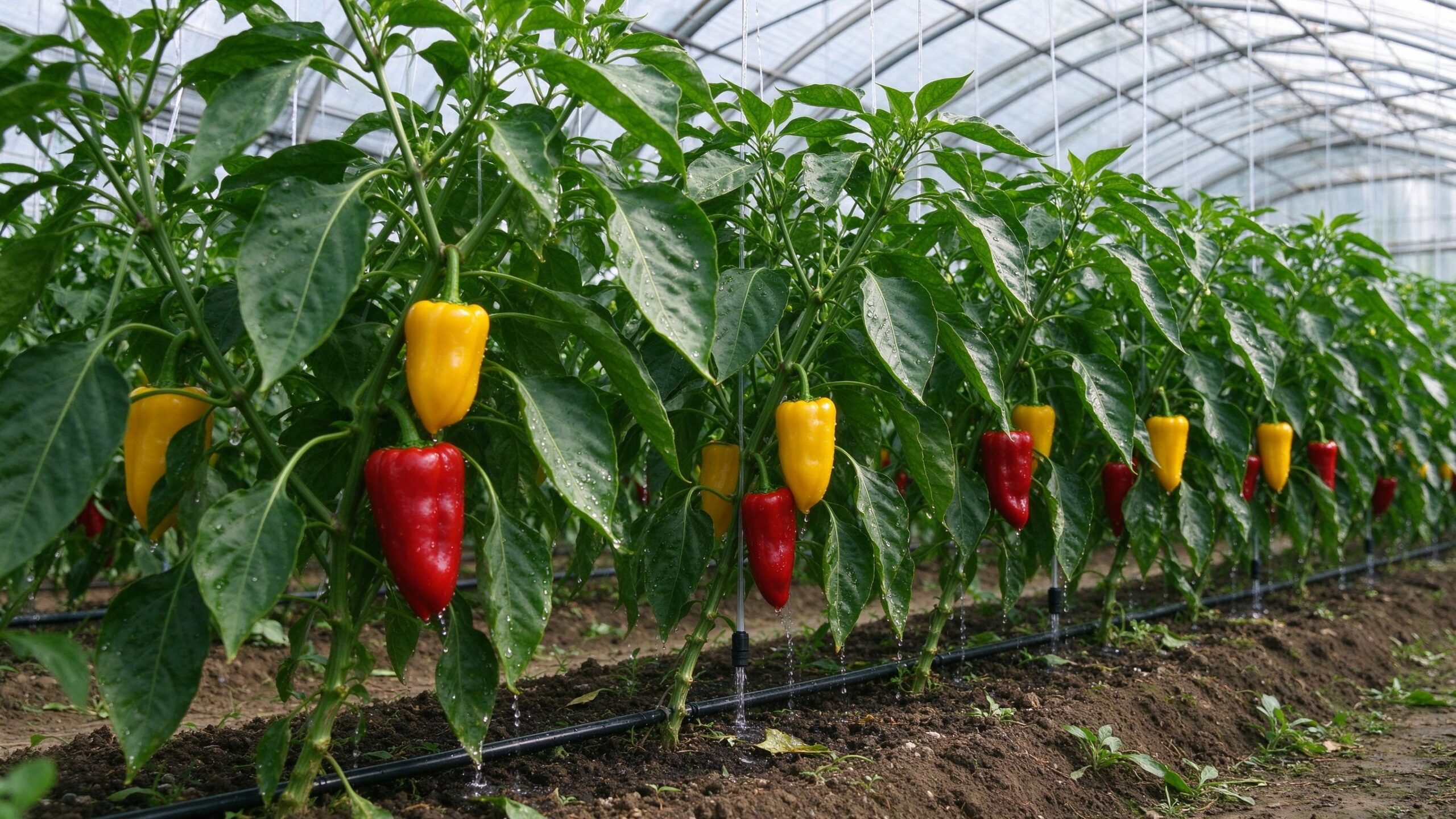
Automated irrigation uses substrate moisture sensors and weather stations to deliver exactly the right amount of water and nutrients.
Basic automation includes time clocks for irrigation and thermostat-controlled vents. Advanced systems use sensor-based control with weather forecasts and growth models. Fully automated greenhouses require minimal intervention.
Automation Levels
While full automation requires significant investment, even sensor-based control improves yields by 10 to 20 percent. Shouguang Zhongtian provides scalable automation solutions for operations of all sizes.
Robotic harvest is the next frontier. Machine learning systems identify ripe fruit and robotic arms pick without damage. Commercial tomato and strawberry harvesters are being deployed in leading operations.
Future of Automation
Data from sensors feeds climate computers that adjust vents, heating, screens, and irrigation automatically. Growers receive alerts on their phones when conditions deviate from setpoints.
Modern greenhouses deploy sensors throughout the crop: air temperature, humidity, light intensity, CO2, substrate moisture, EC, and pH. Wireless sensor networks eliminate wiring costs and allow flexible placement.
Sensor Networks
Automation should reduce workload and improve consistency, not create new problems. Shouguang Zhongtian provides scalable automation solutions for every operation size.
Choose automation systems that are reliable and well-supported. Cheap controllers that fail in critical weather can cost more than they save. Invest in training so your team can operate and maintain the system.
Begin with the highest-impact, lowest-cost automation: a basic climate controller and automated irrigation. These improvements alone typically increase yields by 10 to 20 percent. Add sensors and data logging gradually.
Starting Your Automation Journey
Whether you are building your first greenhouse or expanding an existing operation, choose suppliers who understand both engineering and horticulture. The right partner provides not just equipment, but long-term support that helps your business grow.
Monitor your crops and environment continuously. Small adjustments in temperature, humidity, irrigation, and nutrition compound into large differences in yield and quality over a growing season. Keep detailed records to learn from each crop cycle.
Successful greenhouse production depends on three pillars: a well-designed structure, precise environmental control, and disciplined crop management. Investing in quality equipment from the beginning prevents costly problems later. Start with a clear business plan and a realistic budget before construction begins.
Key Takeaways for Growers
By combining durable construction materials, energy-efficient climate control, and professional crop guidance, Shouguang Zhongtian helps growers achieve higher yields, better quality, and more stable production throughout the year. The company serves customers in Asia, Europe, the Middle East, Africa, and the Americas.
The product range of Shouguang Zhongtian includes glass Venlo greenhouses, polycarbonate greenhouses, plastic film tunnels, high tunnels, and vertical farming systems. Every project is supported by detailed engineering, climate control design, irrigation planning, and after-sales technical service.
Shouguang Zhongtian is a leading greenhouse manufacturer and technology provider based in Shouguang, China, widely recognized as the hometown of Chinese vegetable greenhouses. With years of experience in protected agriculture, the company designs, manufactures, and installs complete greenhouse systems for growers worldwide.
About Shouguang Zhongtian
Conclusion
Automation is essential for competitive production. Shouguang Zhongtian builds smart greenhouses.


