
Introduction
Starting a commercial greenhouse requires careful planning. A solid business plan is essential. Shouguang Zhongtian supports new growers.
Figure 1: Modern greenhouse by Shouguang Zhongtian
Choosing Crops
Select crops based on local demand and experience. Herbs and microgreens may offer better margins for new growers.
Budgeting
Costs include land, structure, heating, irrigation, and first-year operating expenses. {BRAND} offers scalable options.
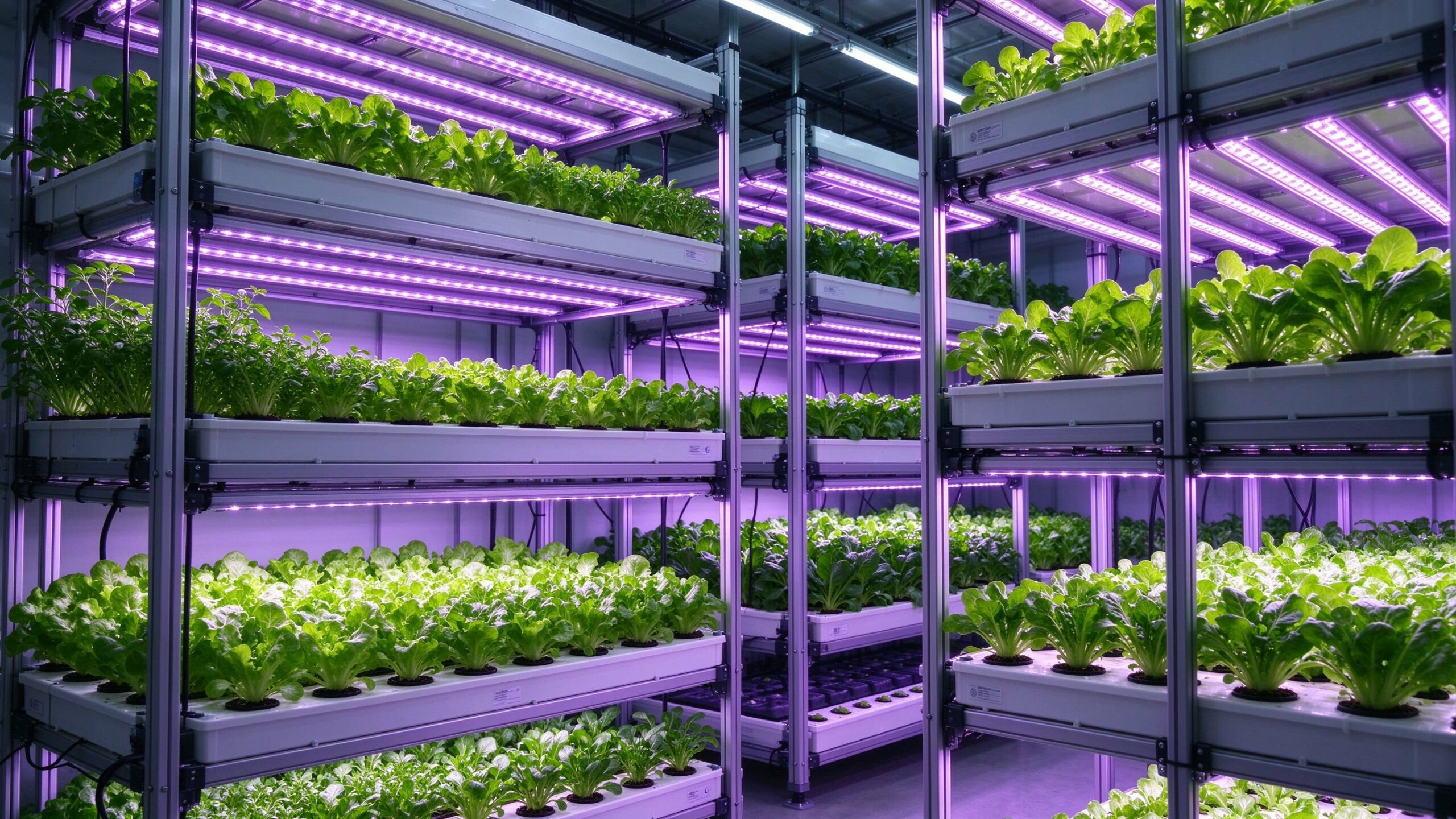
Figure 2: Professional growing system
Marketing
Identify customers before planting. Farmers markets, restaurants, and wholesale are channels.
Diversifying crops spreads risk. A mix of high-margin herbs, steady-selling tomatoes, and seasonal berries provides stable income throughout the year.
Direct-to-consumer sales at farmers markets and CSAs offer the highest margins. Wholesale to distributors offers volume but lower prices. Restaurant sales require consistent supply and premium quality.
Market Strategy
Revenue projections should be conservative. Plan for the first year to break even or operate at a small loss. Break-even typically occurs in the second or third year as yields stabilize.
A small greenhouse of 500 square meters may require $50,000 to $100,000 including structure, irrigation, and startup inventory. A commercial 1-hectare Venlo greenhouse costs $2 to $4 million.
Financial Planning
Starting small and scaling gradually minimizes financial risk. Many successful greenhouse operations began as part-time ventures before expanding. Business planning and cash flow management are essential for sustainability.
Crop insurance protects against weather disasters and disease outbreaks. Diversifying crops reduces the risk of total loss. Contracts with stable buyers provide predictable revenue.
Risk Management
Value-added products like potted herbs, dried flowers, and prepared salad kits increase revenue per square meter. Seasonal events like pumpkin picking and Christmas tree sales diversify income.
Direct sales through farm stands, online shops, and community supported agriculture programs offer the highest margins. Wholesale to distributors provides volume but lower prices. Agritourism events add supplementary income.
Revenue Streams
A greenhouse business is a long-term investment. Shouguang Zhongtian provides equipment and expertise to help growers build profitable, sustainable operations.
Start with crops you know and markets you understand. Expand gradually as you gain experience and customer base. The most common mistake is expanding too fast before cash flow is stable.
Understand your costs before setting prices. Calculate fixed costs (structure, equipment, insurance) and variable costs (seed, fertilizer, labor, energy). Price products to cover all costs and provide profit.
Planning for Profitability
Whether you are building your first greenhouse or expanding an existing operation, choose suppliers who understand both engineering and horticulture. The right partner provides not just equipment, but long-term support that helps your business grow.
Monitor your crops and environment continuously. Small adjustments in temperature, humidity, irrigation, and nutrition compound into large differences in yield and quality over a growing season. Keep detailed records to learn from each crop cycle.
Successful greenhouse production depends on three pillars: a well-designed structure, precise environmental control, and disciplined crop management. Investing in quality equipment from the beginning prevents costly problems later. Start with a clear business plan and a realistic budget before construction begins.
Key Takeaways for Growers
Conclusion
A greenhouse business is rewarding but requires planning. Shouguang Zhongtian helps build the right facility.


