
Introduction
Photoselective films filter specific light wavelengths to improve crop growth. Shouguang Zhongtian supplies advanced cover materials.
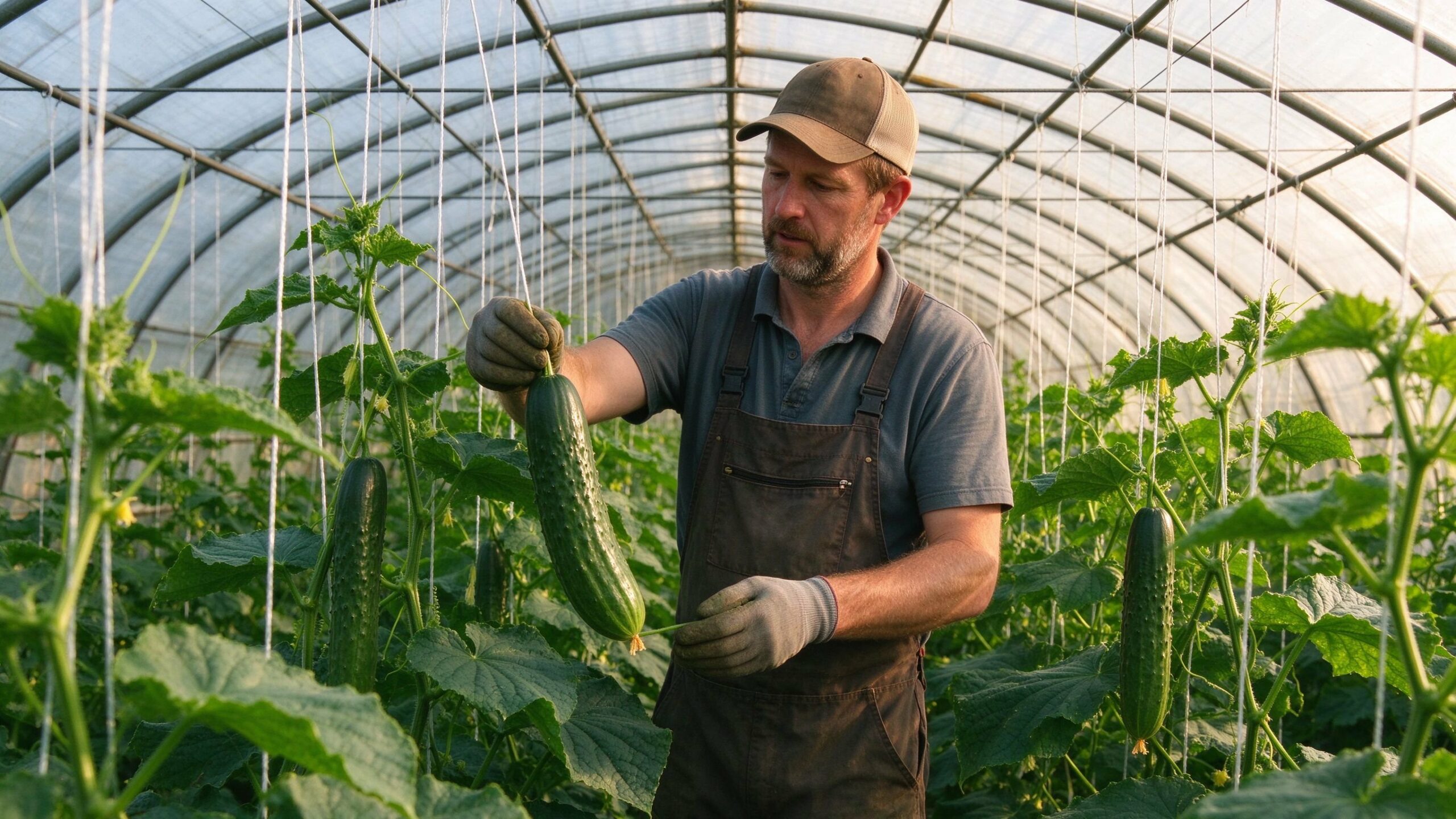
Figure 1: Modern greenhouse by Shouguang Zhongtian
Photoselective Films
Red or diffuse films change the light spectrum. Diffuse light improves canopy penetration. Nets can enhance ornamental color.
Shade Percentage
Cloth comes in 20 to 80 percent density. Leafy greens need 40 to 50 percent; fruiting crops 20 to 30 percent.
Figure 2: Professional growing system
UV Stabilization
Quality materials are UV-stabilized for long life. Aluminized fabric reflects heat.
Retractable shade systems allow growers to remove shade during cloudy periods, maximizing light when available.
Shade percentage depends on crop and climate. Leafy greens need 40 to 50 percent shade in summer. Fruiting crops tolerate only 20 to 30 percent. External shade lasts longer and is more effective than internal shade.
Shade System Selection
These covers are used for ornamental crop production, seedling propagation, and specialty vegetable production where light quality affects marketable traits.
Photoselective films filter sunlight, converting some wavelengths to others. Red films enhance stem elongation and color. Diffuse films scatter light, improving canopy penetration. UV-blocking films reduce insect pest populations.
Light Manipulation
Growers choose UV-blocking or UV-transmitting films based on crop and pest pressure. UV-blocking films also last longer because UV radiation breaks down plastic.
Blocking ultraviolet light reduces powdery mildew pressure and certain insect pests. However, some UV is needed for flower coloring in ornamentals and for beneficial insect activity.
UV Management
Diffuse glass now achieves light transmission of 95 percent with effective diffusion. It is particularly valuable in high-light regions where direct sun causes stress. The cost premium has declined as production scales.
Diffuse covering materials scatter incoming sunlight, creating even light distribution throughout the canopy. Diffuse light reduces leaf scald on hot days and increases photosynthesis in lower leaves by 10 to 15 percent.
Diffuse Glass and Film
The right covering material directly affects crop yield and quality. Shouguang Zhongtian advises on covering choices for specific climates and crops.
Film covering requires proper installation: tight, wrinkle-free application extends film life and improves light transmission. Replace film at recommended intervals; degraded film transmits less light and tears more easily.
Select covering material based on your primary goals: maximum light transmission for fruiting crops, diffuse light for quality, or UV blocking for pest management. Consider both current needs and future crop plans.
Choosing the Right Covering
Whether you are building your first greenhouse or expanding an existing operation, choose suppliers who understand both engineering and horticulture. The right partner provides not just equipment, but long-term support that helps your business grow.
Monitor your crops and environment continuously. Small adjustments in temperature, humidity, irrigation, and nutrition compound into large differences in yield and quality over a growing season. Keep detailed records to learn from each crop cycle.
Successful greenhouse production depends on three pillars: a well-designed structure, precise environmental control, and disciplined crop management. Investing in quality equipment from the beginning prevents costly problems later. Start with a clear business plan and a realistic budget before construction begins.
Key Takeaways for Growers
Conclusion
Advanced covers optimize the light environment. Shouguang Zhongtian helps select the right films.


