
BROWSE THE JOURNAL
News
-
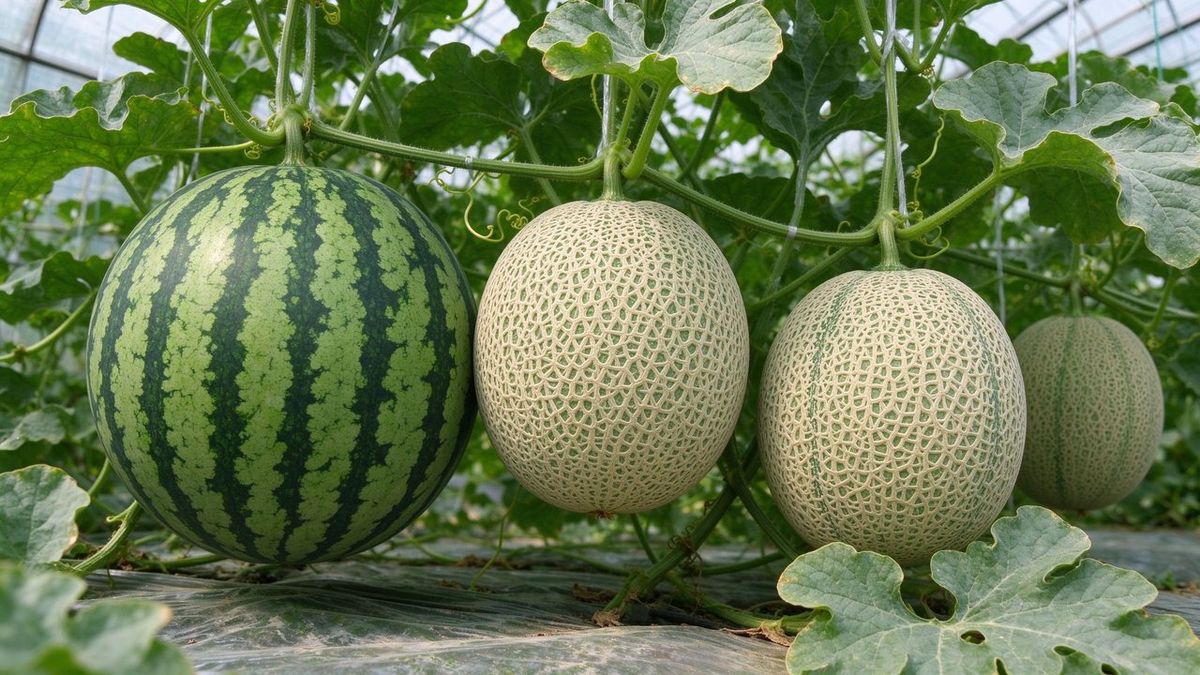
Winter Melon and Bitter Melon Greenhouse Cultivation
Winter melon (Benincasa hispida) and bitter melon (Momordica charantia) are Asian cucurbits grown in protected culture for ethnic vegetable markets. Winter melon produces large 10 to 20 kg waxy fruit with a long shelf life of 3 to 6 months; bitter melon is harvested at 200 to 400 g immature green fruit, picked every 2…
-
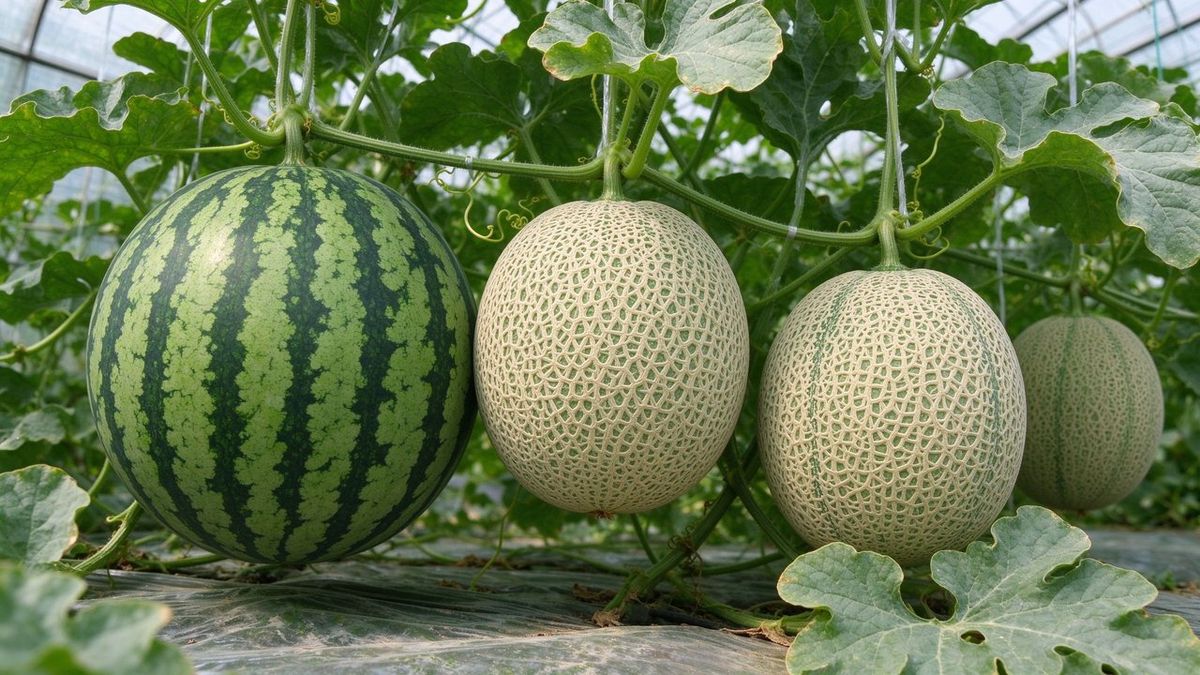
Melon Fruit Quality: Sugar Accumulation Strategies
Sugar content, measured as degrees Brix, is the single number that defines melon premium price. A field cantaloupe averages 9 to 10 degrees Brix; a premium greenhouse fruit reaches 13 to 15. The difference is earned in the final 20 days before harvest, through light capture, controlled water stress, temperature differential, and leaf-to-fruit ratio. Growers…
-
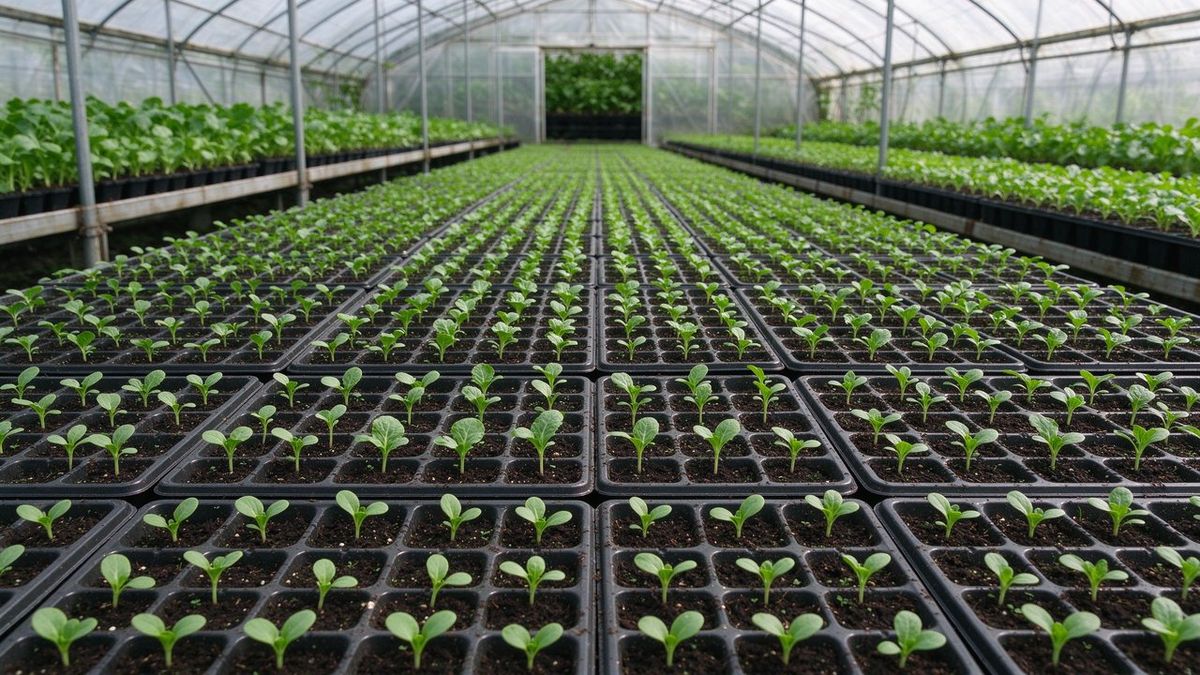
Grafting Watermelon onto Rootstock for Disease Resistance
Grafting watermelon onto Cucurbita moschata x Cucurbita maxima hybrid rootstocks is now standard practice in protected culture. The practice controls Fusarium oxysporum f.sp. niveum race 2, Monosporascus root rot, and root-knot nematodes, while also boosting cold tolerance and yield by 20 to 30 per cent. The technique adds 0.30 to 0.45 euro per transplant but…
-
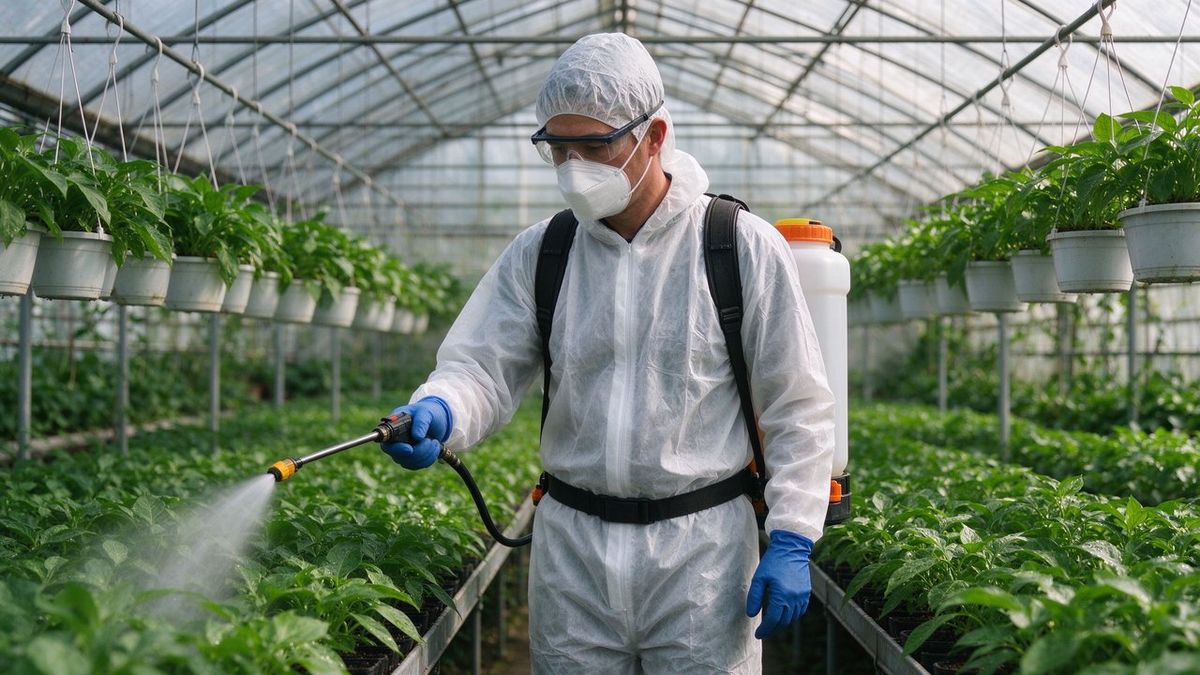
Managing Melon Powdery Mildew and Downy Mildew
Powdery mildew (Podosphaera xanthii) and downy mildew (Pseudoperonospora cubensis) are the two diseases that define melon greenhouse disease management. Powdery mildew appears as white talcum-like colonies on upper leaf surfaces at 20 to 25 degrees and 60 to 80 per cent RH; downy mildew produces angular yellow lesions with grey-violet sporulation on the undersides at…
-
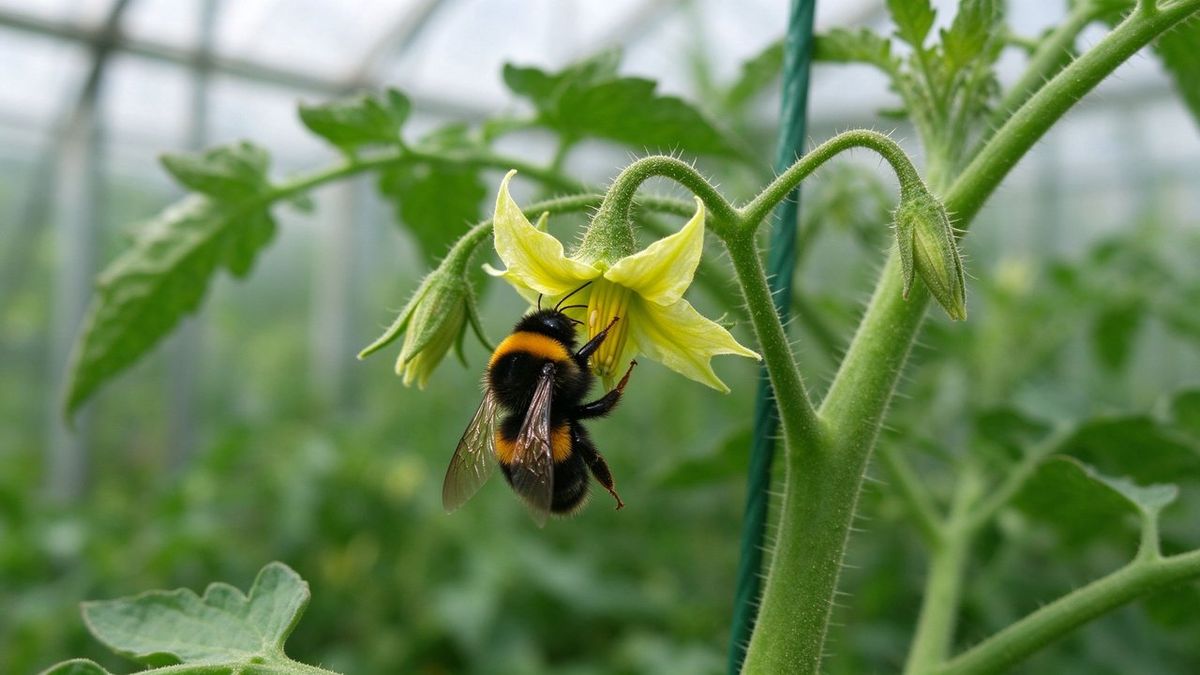
Melon Pollination in Greenhouse Production
Melon pollination is the single most fragile step in greenhouse production. A female flower that is not adequately pollinated aborts, develops into a misshapen fruit, or fails to set seed and therefore never reaches full size. Because cucurbits produce separate male and female flowers on the same plant, the greenhouse must supply mobile pollinators or…
-
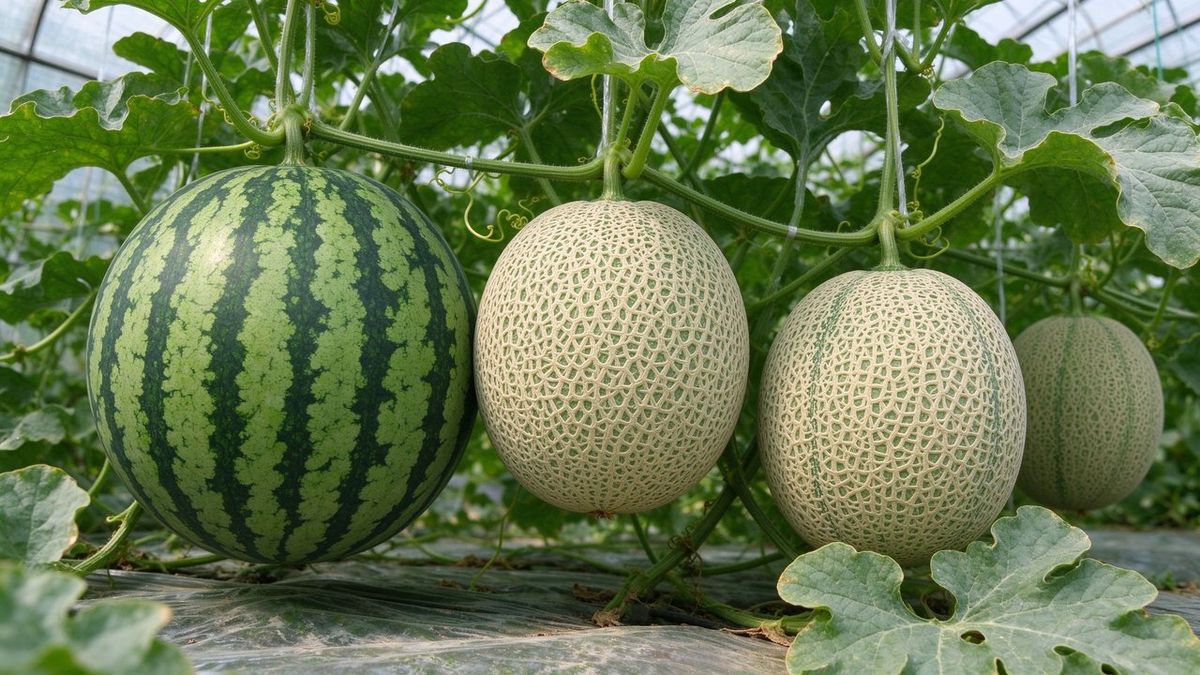
Muskmelon and Cantaloupe Cultivation in Protected Culture
Muskmelon (Cucumis melo) and cantaloupe types grown in protected culture include netted sports such as ‘Galia’, ‘Charentais’, and ‘Honey Globe’. These crops demand more climate precision than watermelon because the netted rind and aromatic flesh develop only under specific temperature and humidity regimes. A greenhouse cantaloupe crop yields 35 to 45 fruit per 100 m²…
-
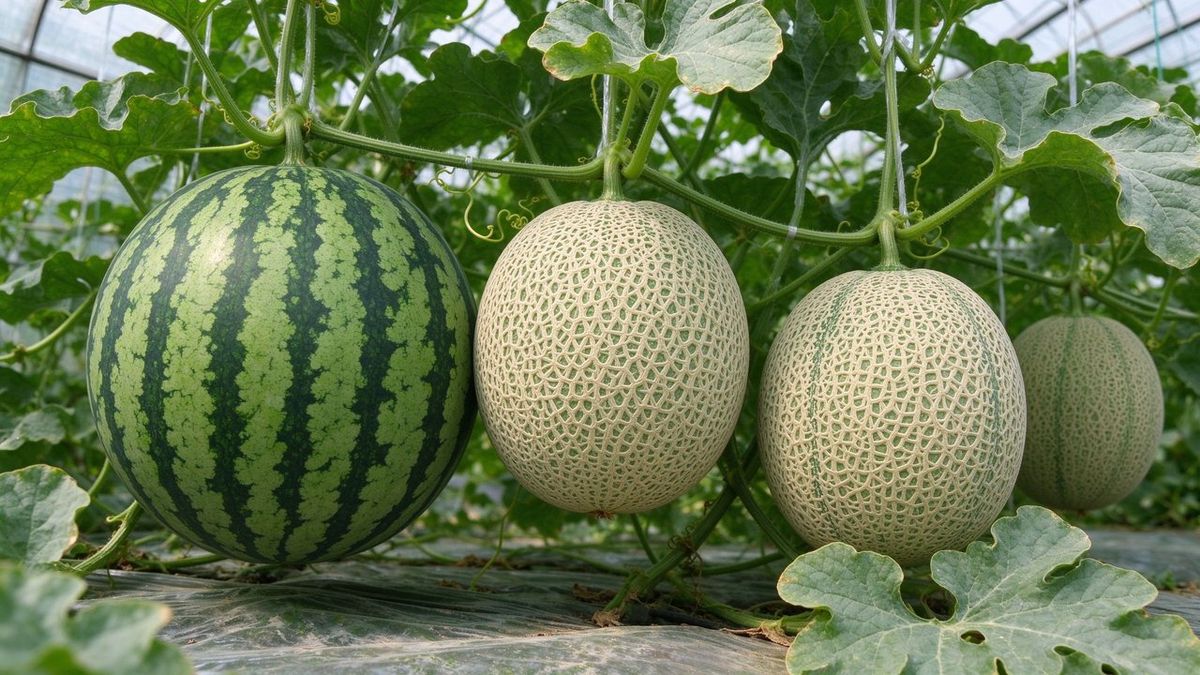
Greenhouse Watermelon Production Guide
Greenhouse watermelon production has moved from a novelty to a high-value specialty crop, with fruit sold at premium prices for seedless triploid cultivars. A well-run glasshouse crop produces 45 to 60 fruit per 100 square metres, each weighing 4 to 6 kg, on a 90-day cycle from transplant to harvest. The crop demands high light,…
-
Picking and Packing Greenhouse Strawberries for Market
Strawberry quality is decided in the 30 minutes between truss and punnet. Greenhouse berries that reach retail at 90 per cent marketable yield were picked at the correct colour stage, cooled within 30 minutes, and never stacked above four punnets. Conversely, fruit picked red-deep at midday and left in a 25 degree picking tray loses…
-
Strawberry Verticillium Wilt Management
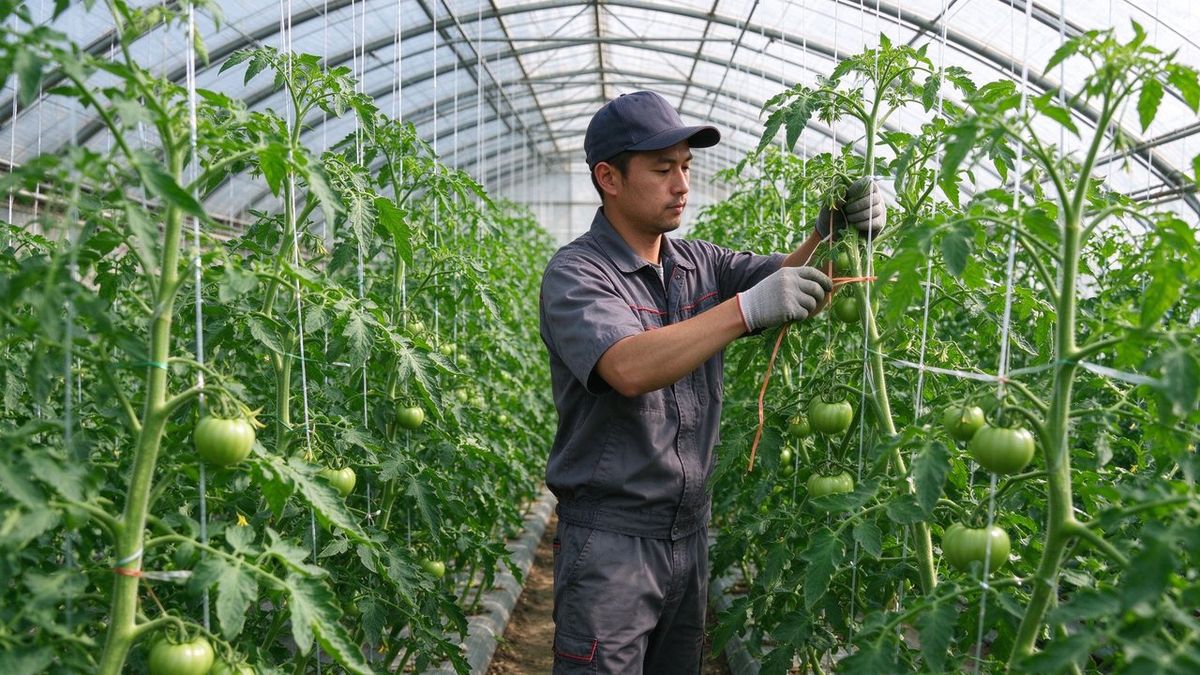
Verticillium dahliae is a soil-borne fungus that survives as microsclerotia for 10 years or more in the absence of a host. In greenhouse strawberry it arrives on contaminated coco coir, infected plug plants, or on boots and trays. The first symptom is a one-sided wilting of older leaves, followed by a brown vascular ring visible…
-
Strawberry High-Tunnel Production in Winter Months
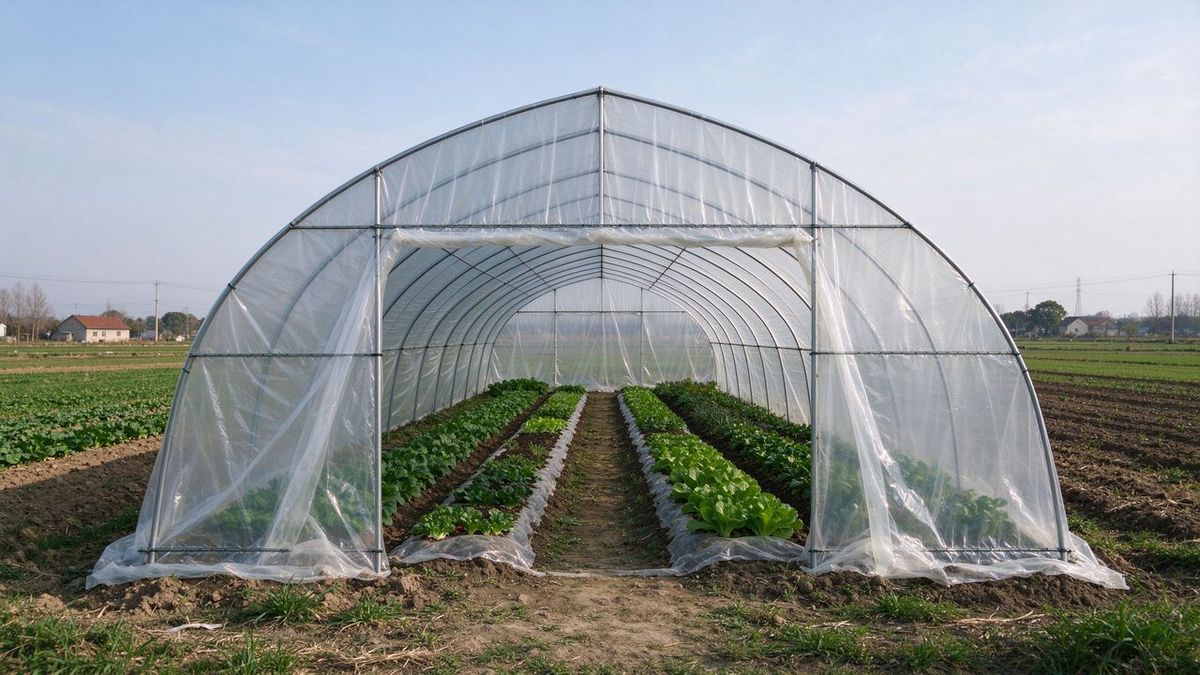
Strawberry high tunnels are poly-covered, quonset-style structures with no active heating, used in mild winter climates to force short-day cultivars into harvest from December through March. Compared with heated glasshouses, tunnels cut capital cost by 60 to 70 per cent and running cost by 80 per cent, but they demand a different climate strategy because…