
Introduction
Structures range from simple hoop houses to high-tech Venlo glass complexes. Choice depends on climate, crop, and budget. Shouguang Zhongtian delivers a full range.
Figure 1: Modern greenhouse by Shouguang Zhongtian
Venlo Glass
Venlo glass greenhouses are the high-tech commercial standard. Narrow panels and aluminum frames provide excellent light transmission. Suitable for large-scale operations.
Plastic Film
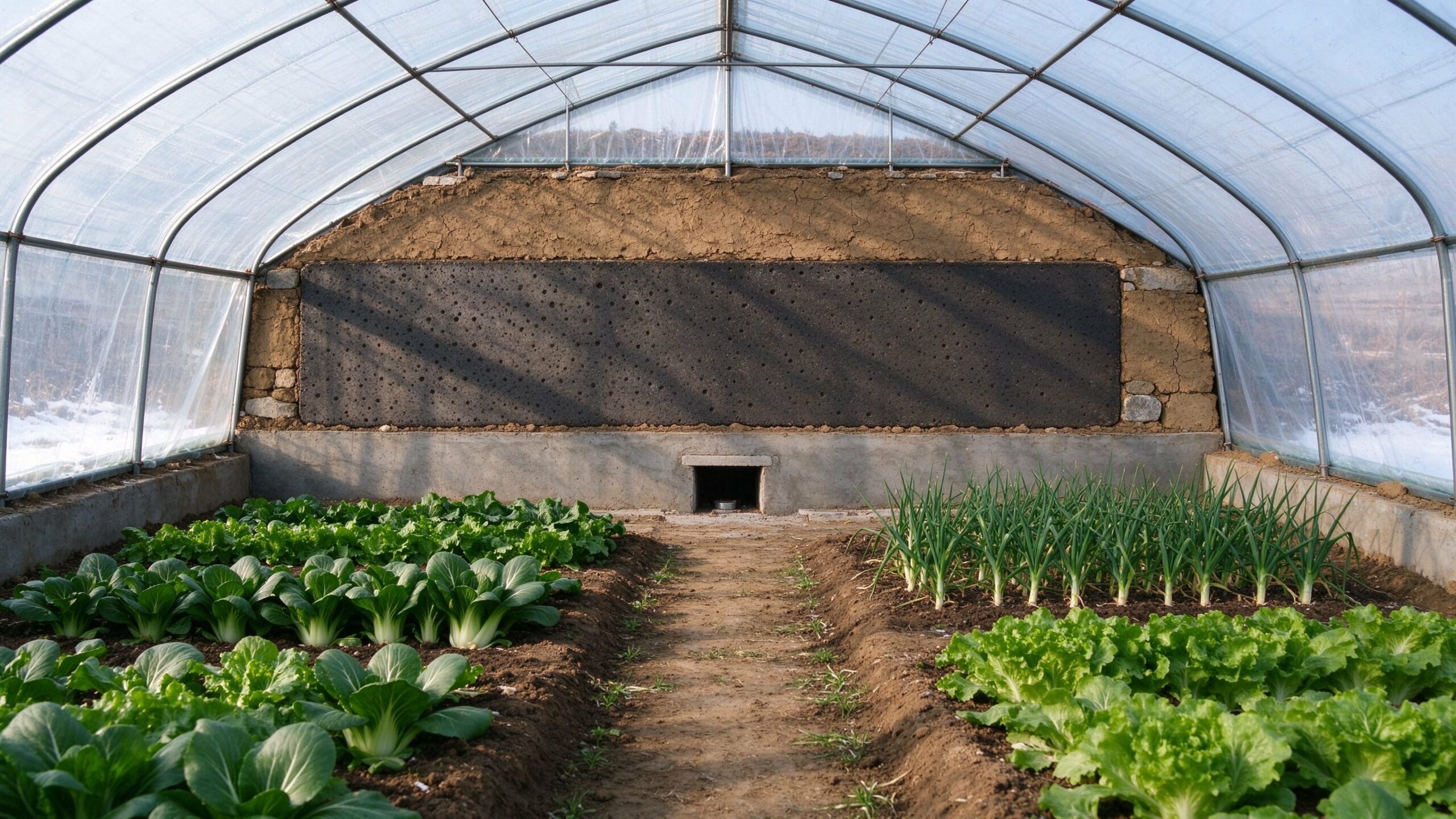
Polyethylene film greenhouses are affordable and quick to build. Ideal for season extension and nurseries. Double-layer inflated film provides better insulation.
Figure 2: Professional growing system
Tunnel Structures
Simple hoop houses are the most affordable protected agriculture option. Ideal for small growers entering the market.
Structure choice depends on climate: glass for high-light, warm climates; double poly for colder regions; polycarbonate for hail-prone areas.
Single-layer polyethylene film is the most economical covering but requires replacement every 2 to 3 years. Double-layer inflated film provides better insulation. Twin-wall polycarbonate panels offer durability and insulation for 10 to 20 years.
Plastic and Polycarbonate
These structures can be equipped with internal screens, heating, CO2 systems, and full environmental control. They are designed for multi-decade use and can be tens of hectares in area for large commercial operations.
Venlo-type glass greenhouses feature narrow glass panels on aluminum frames, typically 3.2 or 4 meter wide bays. They provide excellent light transmission up to 90 percent and are the standard for high-tech tomato, cucumber, and pepper production.
Venlo Glass Greenhouses
Retrofitting older greenhouses with additional bracing can improve wind resistance. Regular inspection for rust, corrosion, and structural damage extends the building’s service life.
Greenhouse frames are engineered for snow load, wind load, and hanging crop loads. Modern Venlo structures can support up to 50 kilograms per square meter of hanging equipment and crop. Building codes specify minimum loads by region.
Structural Loads
Drainage tile beneath floors prevents waterlogging. Concrete walkways between rows improve hygiene and access. Foundation design must account for local frost depth and soil bearing capacity.
Greenhouse foundations vary: concrete footings for permanent structures, ground tubes for temporary tunnels, and slab floors for Venlo glass houses. Proper anchoring is critical in wind-prone regions.
Foundation and Anchoring
The greenhouse structure is the foundation of your operation. Shouguang Zhongtian designs and supplies structures suited to global growing conditions.
Consider future expansion when designing the initial layout. Modular systems allow adding bays as business grows. Plan utilities, roads, and drainage from the start to avoid costly retrofits later.
Select structure type based on climate, crop, budget, and long-term goals. Glass Venlo greenhouses are premium investments for high-value crops. Double polyethylene tunnels are cost-effective for many applications. Polycarbonate offers durability in hail zones.
Choosing the Right Structure
Whether you are building your first greenhouse or expanding an existing operation, choose suppliers who understand both engineering and horticulture. The right partner provides not just equipment, but long-term support that helps your business grow.
Monitor your crops and environment continuously. Small adjustments in temperature, humidity, irrigation, and nutrition compound into large differences in yield and quality over a growing season. Keep detailed records to learn from each crop cycle.
Successful greenhouse production depends on three pillars: a well-designed structure, precise environmental control, and disciplined crop management. Investing in quality equipment from the beginning prevents costly problems later. Start with a clear business plan and a realistic budget before construction begins.
Key Takeaways for Growers
Conclusion
The right structure balances cost, climate, and crop. Shouguang Zhongtian helps select and build the optimal design.


