
Introduction
Water quality affects crop health, nutrient balance, and irrigation performance. Growers must test and treat their water supply. Shouguang Zhongtian provides water treatment solutions.
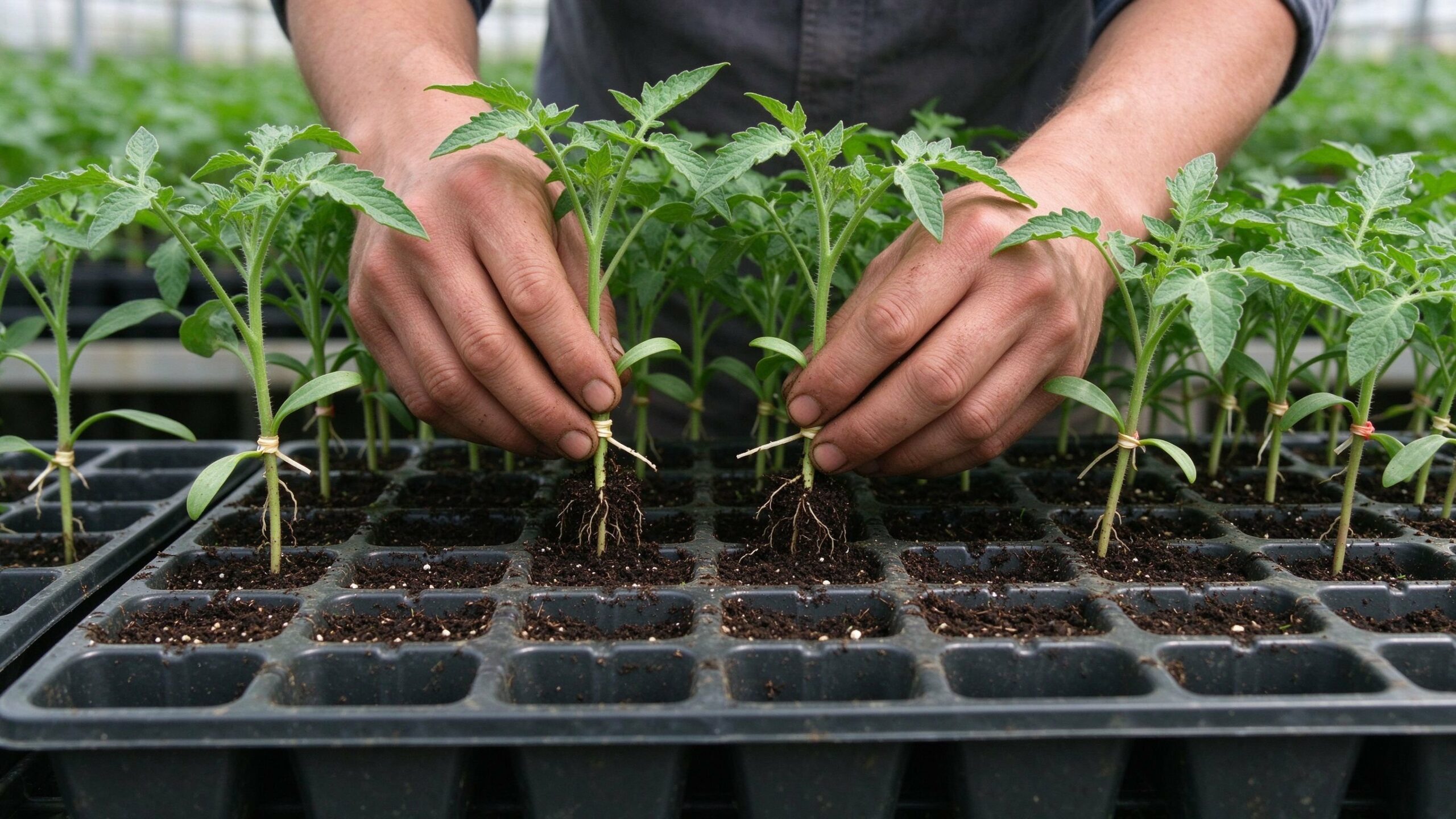
Figure 1: Modern greenhouse by Shouguang Zhongtian
Key Parameters
pH should be 5.5 to 6.5. High EC indicates dissolved salts. Bicarbonates raise pH and must be neutralized. Sodium and chloride can be toxic.
Water Treatment
Acid injection lowers pH. Reverse osmosis removes excess salts. Filtration prevents clogging. UV sterilization eliminates pathogens.
Figure 2: Professional growing system
Testing
Test water at least twice yearly. Regular runoff testing identifies accumulated salts.
Regular monitoring of recirculating solution is critical because ion ratios shift as plants preferentially take up certain nutrients.
Recirculating hydroponic systems capture drainage water, filter it, UV sterilize it, and rebalance nutrients before returning it to the reservoir. This reduces water use by up to 90 percent compared to drain-to-waste systems.
Recirculation Systems
Acid injection with nitric, phosphoric, or sulfuric acid lowers pH and neutralizes bicarbonates. Reverse osmosis removes 95 percent of dissolved salts. Filtration through sand, screen, or disk filters prevents emitter clogging.
Water should be tested at a certified laboratory for pH, EC, bicarbonates, sodium, chloride, and micronutrients. Well water may have high iron or manganese that causes clogging. Rainwater is generally soft and low in minerals.
Testing and Treatment
For hydroponic systems, reverse osmosis provides the cleanest water. Blending RO water with raw water allows precise EC control. Shouguang Zhongtian designs water treatment systems tailored to local water quality.
High irrigation water salinity (EC above 1.0 mS/cm) reduces crop growth and quality. Leaching excess salts from the root zone is necessary. Sodium in irrigation water disperses clay particles and degrades soil structure.
Salinity and Sodium
Acid injection must be calibrated regularly to avoid over- or under-treatment. pH sensors in the return loop provide continuous monitoring and feedback.
Water with high bicarbonate alkalinity buffers pH upward as plants take up nitrate. Injecting acid neutralizes bicarbonates and maintains the target pH. The amount of acid required is calculated from the alkalinity test.
Alkalinity and pH Management
Clean, balanced water is the foundation of successful greenhouse production. Shouguang Zhongtian designs complete water treatment and irrigation systems.
Install appropriate treatment based on test results: acid injection for alkalinity, filtration for particulates, UV for pathogens, and reverse osmosis for high salinity. Budget for treatment equipment and ongoing testing.
Get a comprehensive water test before designing your irrigation system. Many growers discover water quality issues only after crop problems appear. Retest annually, as well water composition can change over time.
Testing and Treating Your Water
Whether you are building your first greenhouse or expanding an existing operation, choose suppliers who understand both engineering and horticulture. The right partner provides not just equipment, but long-term support that helps your business grow.
Monitor your crops and environment continuously. Small adjustments in temperature, humidity, irrigation, and nutrition compound into large differences in yield and quality over a growing season. Keep detailed records to learn from each crop cycle.
Successful greenhouse production depends on three pillars: a well-designed structure, precise environmental control, and disciplined crop management. Investing in quality equipment from the beginning prevents costly problems later. Start with a clear business plan and a realistic budget before construction begins.
Key Takeaways for Growers
Conclusion
Clean water is the foundation of fertigation. Shouguang Zhongtian helps design complete water treatment systems.


