
Introduction
Greenhouses lose significant heat through ventilation. Heat recovery captures waste energy to pre-heat incoming air, reducing heating costs. Shouguang Zhongtian installs energy recovery systems.
Figure 1: Modern greenhouse by Shouguang Zhongtian
How It Works
A heat exchanger transfers heat from outgoing air to incoming fresh air without mixing streams. Systems recover 70 to 90 percent of exhaust heat.
Benefits
Heat recovery reduces gas consumption by 20 to 40 percent. Allows ventilation without sacrificing energy. Payback is typically 3 to 5 years.
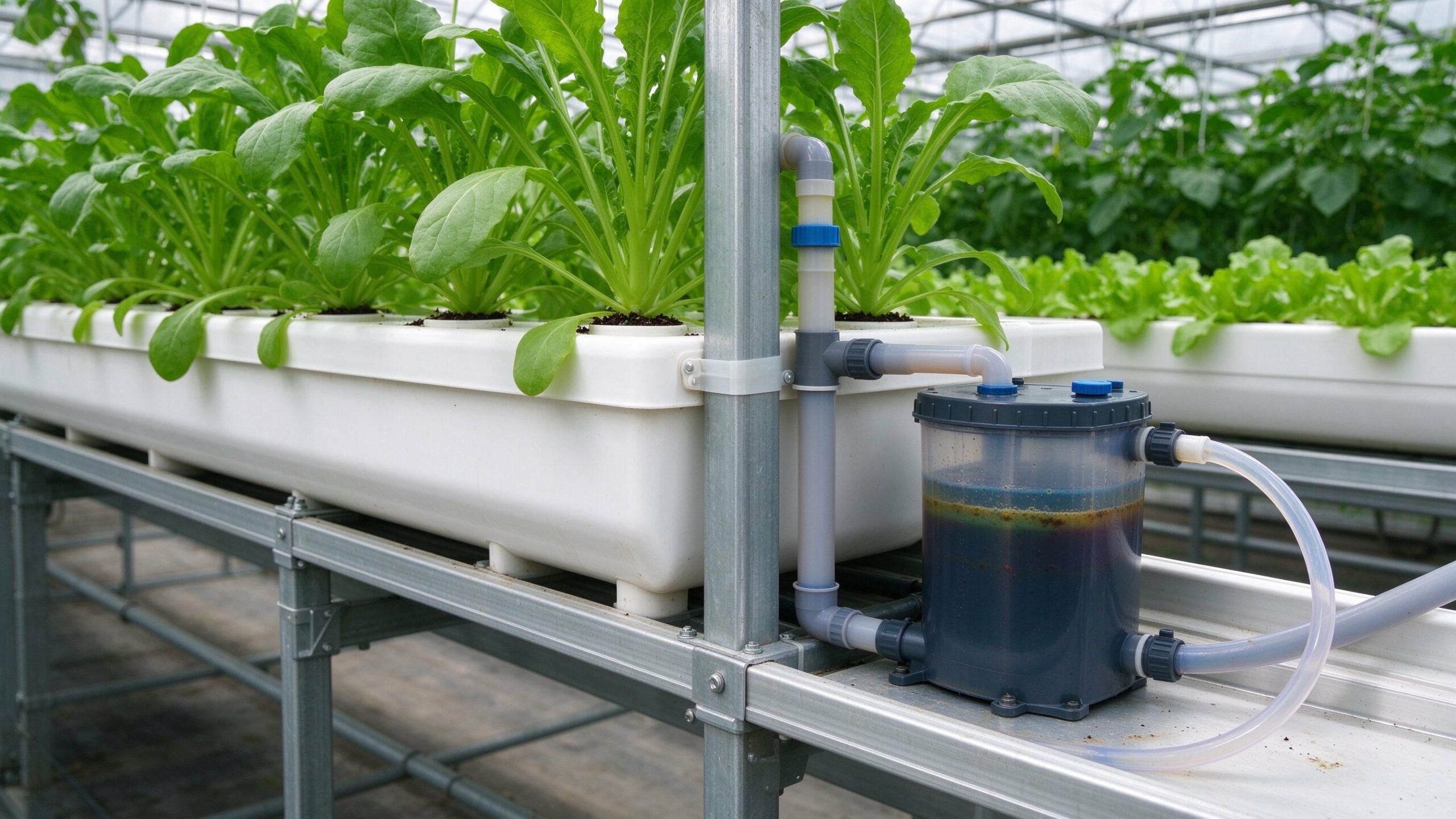
Figure 2: Professional growing system
Integration
Units integrate with the climate computer. Bypass dampers allow free cooling in mild weather.
Modern systems integrate with the climate computer, automatically bypassing when outside air temperature is suitable for free cooling.
Heat recovery allows ventilation during cold weather without losing heat, improving crop health by reducing humidity. The system also filters incoming air, reducing pest and disease entry.
Integration Benefits
Efficiency ranges from 60 to 90 percent depending on system type and operating conditions. Heat recovery is most beneficial in winter when ventilation is needed for humidity control.
Closed heat recovery systems exchange heat between exhaust and incoming air through a plate or tube heat exchanger. Enthalpy recovery also transfers moisture. Open systems use heat pumps to extract thermal energy.
System Types
Recirculating heat exchangers use water or glycol loops that require water treatment and antifreeze. Annual inspection of fans, dampers, and sensors ensures reliable operation.
Heat exchangers need regular cleaning to maintain efficiency. Filters on the fresh air intake must be replaced quarterly. Condensate drainage must remain clear to prevent water buildup.
System Maintenance
The payback period for heat recovery equipment is typically 3 to 6 years, depending on fuel prices and climate. Incentive programs for energy efficiency can shorten this significantly.
Heat recovery systems typically recover 60 to 80 percent of the heat in exhaust air. For a 1-hectare greenhouse in a temperate climate, this can save 20 to 40 percent of annual heating costs.
Energy Savings Analysis
Energy efficiency improvements compound over time. Shouguang Zhongtian helps growers prioritize efficiency investments for maximum return.
Even partial heat recovery, combined with energy screens and improved insulation, significantly reduces heating costs. Consider a staged approach: start with energy screens, then add heat recovery as budget allows.
Heat recovery is most cost-effective in cold climates with high heating costs. Calculate expected savings based on your fuel bills and local climate before investing. In mild climates, the payback period may be too long.
Is Heat Recovery Worth It?
Whether you are building your first greenhouse or expanding an existing operation, choose suppliers who understand both engineering and horticulture. The right partner provides not just equipment, but long-term support that helps your business grow.
Monitor your crops and environment continuously. Small adjustments in temperature, humidity, irrigation, and nutrition compound into large differences in yield and quality over a growing season. Keep detailed records to learn from each crop cycle.
Successful greenhouse production depends on three pillars: a well-designed structure, precise environmental control, and disciplined crop management. Investing in quality equipment from the beginning prevents costly problems later. Start with a clear business plan and a realistic budget before construction begins.
Key Takeaways for Growers
Conclusion
Heat recovery is a high-return investment. Shouguang Zhongtian provides complete energy recovery systems.


