
Introduction
Healthy roots are the foundation of productive crops. Managing the root environment ensures nutrient uptake and disease resistance. Shouguang Zhongtian provides root zone monitoring.
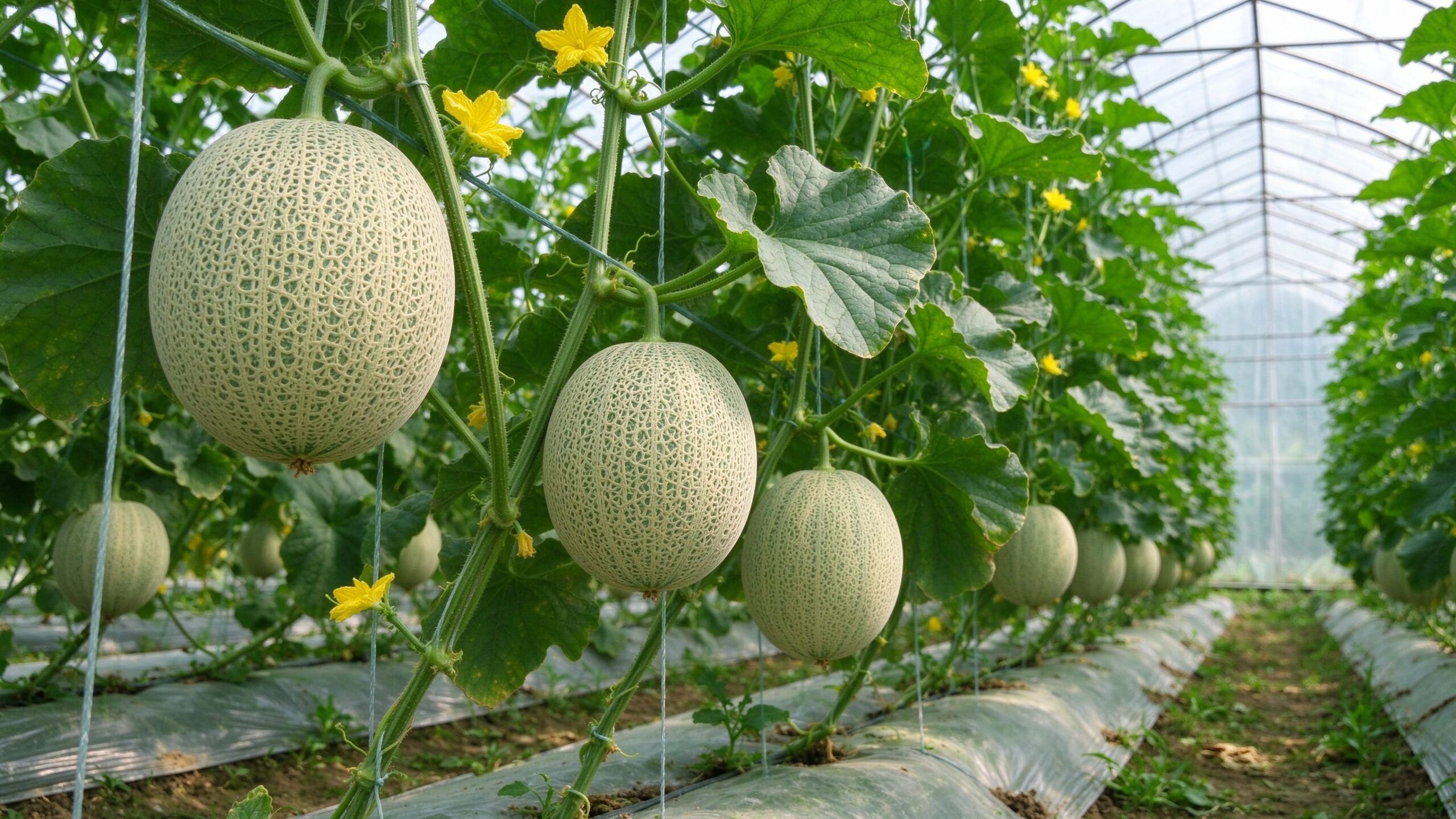
Figure 1: Modern greenhouse by Shouguang Zhongtian
Substrate Considerations
Rockwool, cocopeat, and perlite provide balanced aeration and water retention. Monitor pH and EC. Slab temperature should be 18 to 25 degrees.
Oxygen and Water
Roots need both water and oxygen. Overwatering causes root rot. Substrate moisture sensors automate irrigation.
Figure 2: Professional growing system
Root Diseases
Pythium and phytophthora are common. Sanitize between crops. Beneficial microbes suppress disease.
Beneficial microbial inoculants containing Trichoderma and mycorrhizae suppress root diseases and improve nutrient uptake. Sterile substrates require regular re-inoculation.
Healthy roots are white and firm. Brown, mushy roots indicate overwatering or disease. Regular root inspections catch problems early.
Root Health Monitoring
Slab temperature should be maintained between 18 and 25 degrees Celsius. Cold root zones slow nutrient uptake and growth. Bottom heating pipes can warm slabs in winter.
Rockwool has excellent water-holding capacity and air-filled porosity. Cocopeat provides organic matter and microbial activity. Perlite improves drainage. Each substrate has specific pH and EC characteristics.
Substrate Properties
Bottom heating pipes or root zone heating cables maintain slab temperature in winter. Cooling pipes in summer prevent root overheating. Accurate root zone sensors provide control feedback.
Root temperature affects nutrient uptake, water transport, and root growth directly. Optimal root zone temperature is 18 to 25 degrees for most greenhouse crops. Cold roots above warm tops cause water stress and blossom end rot.
Root Zone Temperature
Drainage should be 20 to 30 percent of applied volume. This leaches salts and maintains a favorable root zone environment. Weighing slabs or using tensiometers confirms irrigation timing.
Irrigation frequency depends on crop stage, temperature, light, and substrate water-holding capacity. In rockwool slabs, irrigations occur 4 to 8 times per day during sunny periods, with smaller volumes early and late in the day.
Substrate Irrigation Scheduling
Strong roots drive strong crops. Shouguang Zhongtian provides substrates, irrigation, and root zone monitoring equipment for optimal plant health.
Maintain root zone temperature within the optimal range. Use slab temperature sensors, not just air temperature sensors, for accurate control. Root zones that are too cold or too hot cause growth problems even when air temperature is correct.
Make root inspection a regular part of your routine. Lift slabs or inspect channels weekly. Healthy roots are white and evenly distributed. Early detection of root problems saves entire crops.
Monitoring Root Health
Whether you are building your first greenhouse or expanding an existing operation, choose suppliers who understand both engineering and horticulture. The right partner provides not just equipment, but long-term support that helps your business grow.
Monitor your crops and environment continuously. Small adjustments in temperature, humidity, irrigation, and nutrition compound into large differences in yield and quality over a growing season. Keep detailed records to learn from each crop cycle.
Successful greenhouse production depends on three pillars: a well-designed structure, precise environmental control, and disciplined crop management. Investing in quality equipment from the beginning prevents costly problems later. Start with a clear business plan and a realistic budget before construction begins.
Key Takeaways for Growers
Conclusion
Healthy roots drive top growth. Shouguang Zhongtian helps optimize the root environment.


