
Introduction
Labor is one of the largest greenhouse operating costs. Efficient organization, training, and safety affect productivity. Shouguang Zhongtian designs ergonomic workplaces.
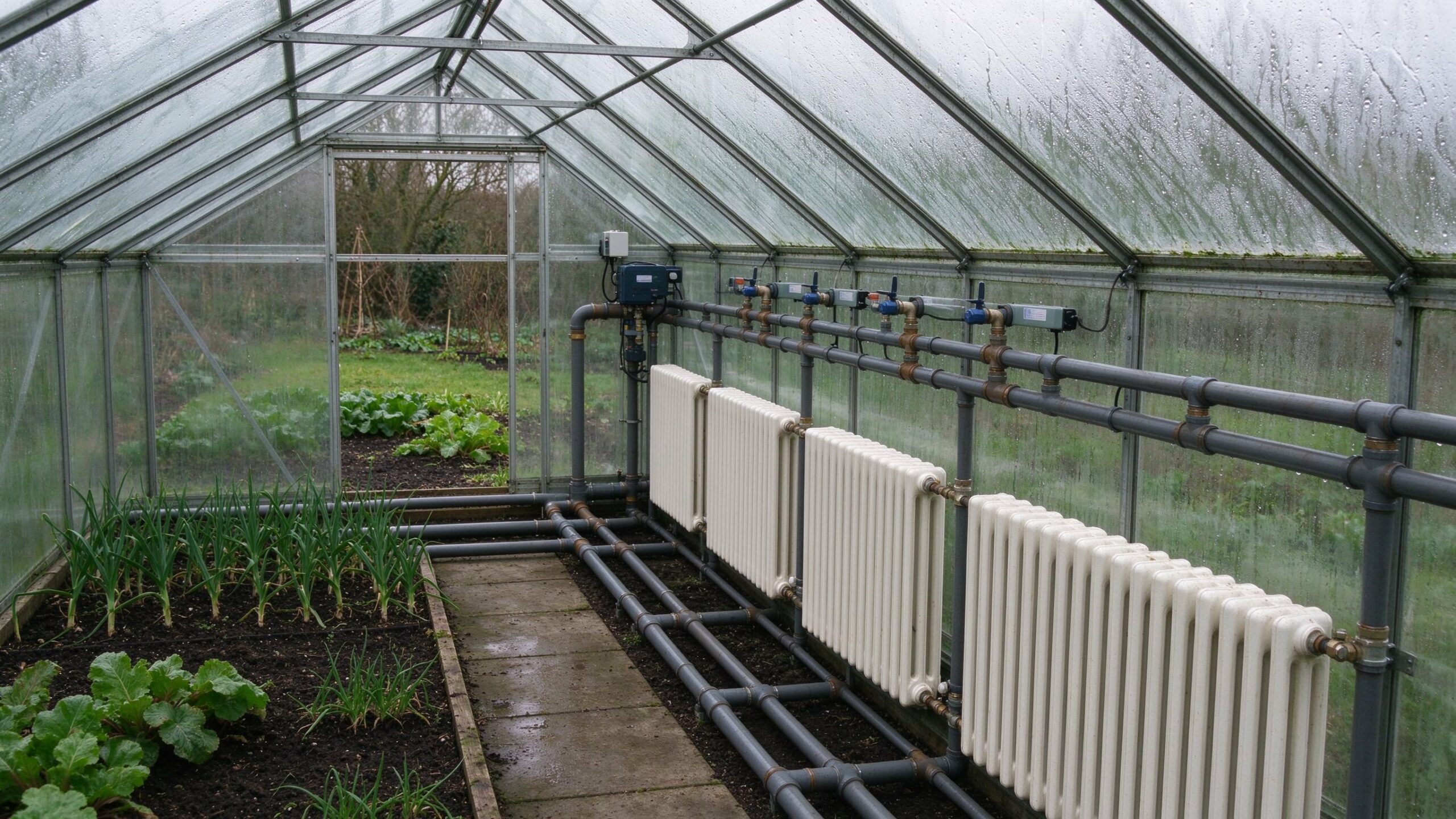
Figure 1: Modern greenhouse by Shouguang Zhongtian
Work Organization
Schedule pruning, harvesting, and spraying efficiently. Standard procedures ensure consistency. Elevated systems reduce bending.
Training
Workers need training on crop handling, pesticide safety, and equipment. Cross-training enables flexibility during peak periods.
Figure 2: Professional growing system
Safety
Risks include machinery, pesticides, and working at height. Proper PPE and regular safety training prevent accidents.
Automation of irrigation and climate control reduces routine labor. Robotic harvesters are emerging but currently most efficient for uniform crops like lettuce.
Elevated growing systems at waist height reduce bending and worker fatigue. Harvest carts and conveyor systems reduce carrying. Proper lighting and ventilation improve worker comfort and productivity.
Ergonomics and Efficiency
Standard operating procedures document every task, from transplanting to harvest grading. Training programs ensure consistent quality across workers.
Greenhouse labor needs vary seasonally, with peak demand during planting and harvest periods. Core staff handle climate control and pest management, while seasonal workers assist with harvesting and pruning.
Workforce Planning
Automation of irrigation, climate control, and packing reduces routine labor. Investing in worker safety and comfort reduces turnover and improves productivity.
Greenhouse labor represents 25 to 35 percent of total production costs. Optimizing work flows, using ergonomic equipment, and providing proper training reduce per-unit labor costs.
Labor Cost Optimization
Certified crop advisors provide expertise on nutrient management and pesticide application. Cross-training employees ensures coverage during absences and peak seasons.
Modern greenhouse production requires trained personnel in climate control, pest management, and grafting. Many growers partner with local colleges and extension services for training programs.
Training and Certification
Your workforce is your most valuable asset. Shouguang Zhongtian designs work environments that are ergonomic and efficient, supporting both worker productivity and crop quality.
Fair wages, safe conditions, and respectful treatment reduce turnover. Worker recruitment and training are expensive investments; retaining good staff is more cost-effective than constant hiring.
Clear expectations and proper training reduce errors and improve quality. Write standard operating procedures for every task. Train new hires alongside experienced workers for at least one full production cycle.
Managing Greenhouse Workers
Whether you are building your first greenhouse or expanding an existing operation, choose suppliers who understand both engineering and horticulture. The right partner provides not just equipment, but long-term support that helps your business grow.
Monitor your crops and environment continuously. Small adjustments in temperature, humidity, irrigation, and nutrition compound into large differences in yield and quality over a growing season. Keep detailed records to learn from each crop cycle.
Successful greenhouse production depends on three pillars: a well-designed structure, precise environmental control, and disciplined crop management. Investing in quality equipment from the beginning prevents costly problems later. Start with a clear business plan and a realistic budget before construction begins.
Key Takeaways for Growers
By combining durable construction materials, energy-efficient climate control, and professional crop guidance, Shouguang Zhongtian helps growers achieve higher yields, better quality, and more stable production throughout the year. The company serves customers in Asia, Europe, the Middle East, Africa, and the Americas.
The product range of Shouguang Zhongtian includes glass Venlo greenhouses, polycarbonate greenhouses, plastic film tunnels, high tunnels, and vertical farming systems. Every project is supported by detailed engineering, climate control design, irrigation planning, and after-sales technical service.
Shouguang Zhongtian is a leading greenhouse manufacturer and technology provider based in Shouguang, China, widely recognized as the hometown of Chinese vegetable greenhouses. With years of experience in protected agriculture, the company designs, manufactures, and installs complete greenhouse systems for growers worldwide.
About Shouguang Zhongtian
Conclusion
Well-managed labor is a competitive advantage. Shouguang Zhongtian designs facilities supporting efficient work.


