
Introduction
High tunnels are passive solar structures made of steel hoops covered with single or double plastic film. They extend the growing season by four to six weeks on either end. Shouguang Zhongtian supplies high tunnels for small and medium growers.
Figure 1: Modern greenhouse by Shouguang Zhongtian
Design
High tunnels are typically 8 to 10 meters wide and 30 to 60 meters long, with peaked or quonset roofs. Sidewalls can be rolled up for ventilation. The structure requires no electricity for basic operation.
Crop Applications
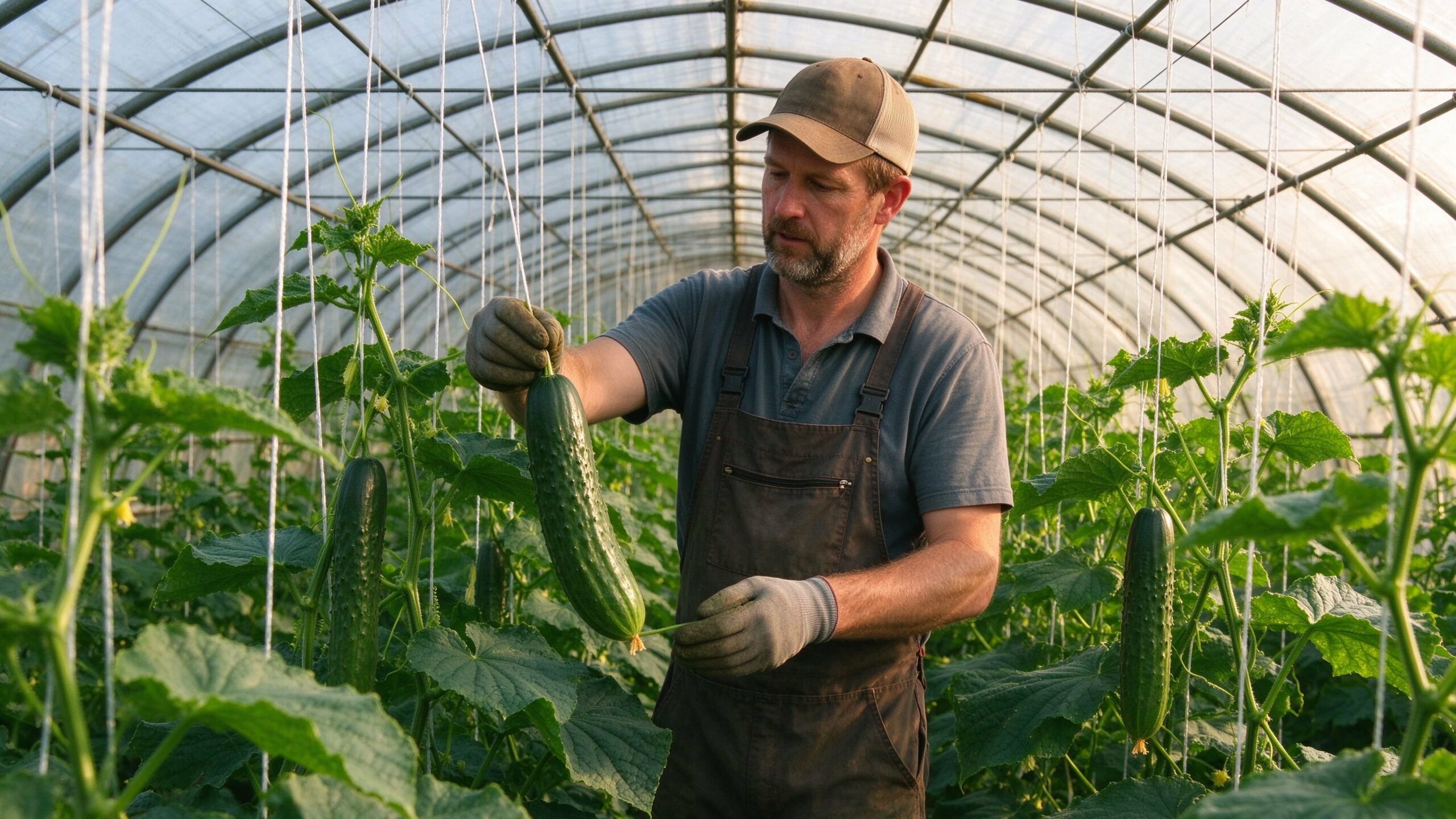
High tunnels are used for tomatoes, cucumbers, peppers, leafy greens, berries, and cut flowers. They protect crops from rain, wind, and pests while capturing solar heat. Early and late harvests command premium prices.
Figure 2: Professional growing system
Management Tips
Ventilation is essential to prevent overheating on sunny days. Drip irrigation is recommended over overhead watering to reduce humidity. Crop rotation and soil solarization prevent disease buildup.
Investment costs are relatively low compared to permanent greenhouses, typically ranging from $2 to $5 per square meter. With proper management, payback is often achieved within the first or second growing season.
High tunnels allow growers to start spring crops 4 to 6 weeks earlier and extend fall production by a similar period. Early-season tomatoes, cucumbers, and leafy greens command premium prices. Season extension can increase annual revenue by 30 to 50 percent compared to open field production.
Crop Planning and Economics
Site selection should consider solar exposure, wind direction, drainage, and access to water and electricity. A level site simplifies construction and ensures even water distribution. Perimeter drainage ditches prevent flooding during heavy rains.
High tunnels are constructed from galvanized steel hoops that resist rust and corrosion. The covering is typically 6 mil greenhouse-grade polyethylene film that lasts 3 to 5 years. Double-layer inflated film provides additional insulation. End walls include doors and sometimes vents for air circulation.
Construction and Materials
Cold frames attached to tunnel ends harden off transplants. Row cover inside tunnels provides additional frost protection for sensitive crops. Planning the planting calendar around market demand maximizes profitability.
High tunnels are typically used in spring and fall, with the cover removed or vented fully in summer. Double cropping inside one tunnel allows early tomatoes followed by fall leafy greens. Season extension can increase annual farm revenue by 40 percent or more.
Season Extension Strategy
Plastic mulch suppresses weeds, conserves moisture, and warms the soil. Organic matter additions through cover crops and compost maintain soil structure. Soil testing each spring guides fertilizer recommendations.
High tunnels use native soil that benefits from annual compost applications. Because rainfall is excluded, soil moisture is controlled entirely by irrigation. Drip irrigation under mulch delivers water and fertilizer directly to the root zone.
Soil and Fertility Management
High tunnels offer an accessible entry into protected agriculture. Shouguang Zhongtian supplies high tunnel kits and can help growers design the right system for their climate and market.
Invest in good site preparation: level the ground, install drainage, and set up irrigation before covering. Proper construction ensures the tunnel withstands wind and snow. Local extension services offer valuable guidance on variety selection and timing.
First-time high tunnel growers should start with one or two tunnels to learn management practices before scaling. Choose crops with known local demand and favorable prices. Early season tomatoes and leafy greens are reliable choices.
Getting Started with High Tunnels
Conclusion
High tunnels offer an affordable entry into protected agriculture. Shouguang Zhongtian provides durable high tunnel structures and guidance.


