
Introduction
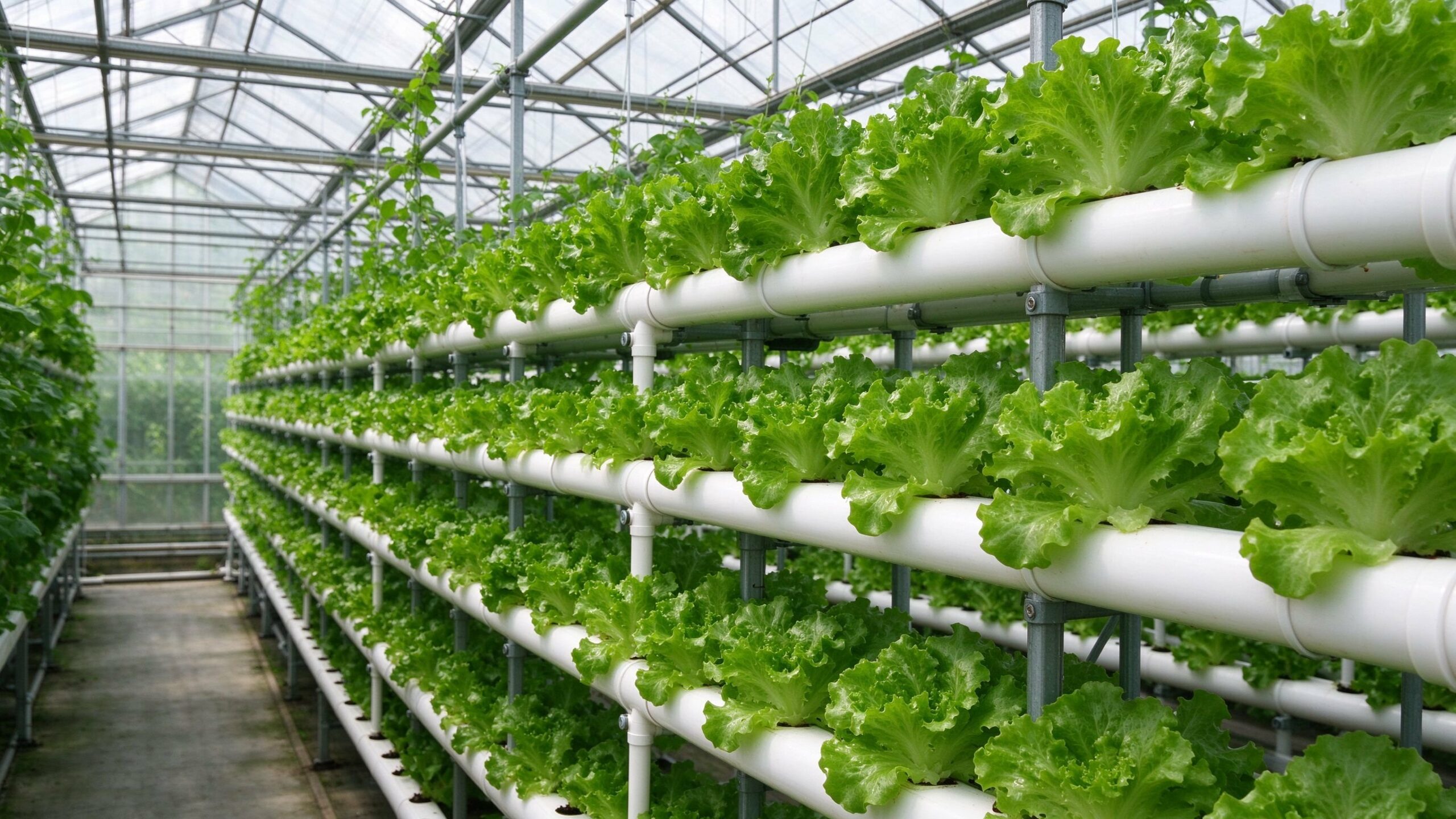
Nutrient Film Technique is a widely used hydroponic method where a shallow stream of nutrient solution flows through channels past plant roots. It is ideal for fast-growing leafy greens and herbs. Shouguang Zhongtian designs NFT systems for commercial greenhouse production.
Figure 1: Modern greenhouse by Shouguang Zhongtian
System Design
Plants are placed in channels or gullies with their roots hanging in the nutrient solution stream. A thin film of solution, typically 1 to 2 centimeters deep, provides water, nutrients, and oxygen. Water is recirculated from a reservoir through a pump.
Management
Solution temperature should be maintained between 18 and 22 degrees Celsius. Oxygenation is critical for healthy root development. Regular monitoring of pH and electrical conductivity ensures optimal nutrient balance.
Figure 2: Professional growing system
Advantages
NFT uses less water and nutrients than other hydroponic systems. It is easy to inspect roots and clean between crops. The system is cost-effective and scalable for commercial leafy green production.
For longer-term crops like tomatoes in NFT, deeper channels and more robust root support are required. Nutrient solution temperature must be kept below 24 degrees to prevent root oxygen deprivation. Regular root inspections are essential to detect early signs of root disease.
Lettuce, kale, and arugula are ideal NFT crops due to their shallow root systems and fast growth. Basil and other herbs also perform well. The pH should be maintained at 5.5 to 6.0 and EC at 1.2 to 1.8 mS/cm for leafy greens.
Crop-Specific Management
The nutrient solution reservoir is sized to provide at least 10 to 15 minutes of retention time, allowing temperature and nutrient stabilization. Airstones or venturi injectors add dissolved oxygen to the solution before it enters the channels.
NFT channels are typically made of food-grade PVC or food-grade plastic and are sloped at 1 to 3 percent to allow gravity flow. Channel width depends on crop type; larger channels accommodate tomato and cucumber production, while narrower channels suit leafy greens. Multiple channels are arranged in rows with walkways between them for access.
System Design and Layout
Commercial NFT operations typically include backup power generators and redundant pumps to prevent system downtime. Alarms notify growers immediately of pump failure or low reservoir levels.
NFT systems scale from small backyard installations to commercial operations covering hectares. Multiple channels share a common reservoir and pump, allowing modular expansion. As operations grow, additional circulation pumps and filter stages are added.
System Scalability
Salinity buildup in channels occurs when water evaporates faster than nutrient solution is replenished. Flushing channels weekly with fresh solution prevents salt accumulation. Monitoring root health weekly catches problems before they affect crop yield.
Root clogging from algae or biofilm is a common NFT issue. Keeping channels covered and maintaining proper flow prevents this. Low dissolved oxygen causes root browning; air pumps and venturi injectors maintain oxygen levels above 5 mg per liter.
Common Problems and Solutions
NFT systems are highly productive when managed correctly. Start small, learn the system’s behavior, and scale up gradually. Shouguang Zhongtian supplies complete NFT systems with technical support for growers at every level.
Algae growth in channels and reservoirs indicates light exposure. Cover all solution-bearing components with opaque materials. Clean the system thoroughly between crops. Regular pH and EC monitoring catches imbalances before they affect the crop.
If plants show nutrient deficiency symptoms despite proper nutrient solution levels, check root health first. Brown, slimy roots indicate oxygen deprivation or root disease. Increase aeration, reduce solution temperature, and flush the system with fresh nutrient solution.
Troubleshooting Common Issues
Conclusion
NFT remains one of the most efficient hydroponic methods. Shouguang Zhongtian delivers complete NFT systems for leafy greens and herbs.


