
Introduction
Eggplants thrive in warm greenhouse environments and produce high-value fruit over an extended season. With proper management, greenhouse eggplants yield 8 to 12 kilograms per square meter. Shouguang Zhongtian supports eggplant growers with climate-controlled systems.
Figure 1: Modern greenhouse by Shouguang Zhongtian
Growing Conditions
Eggplants require day temperatures of 25 to 30 degrees Celsius and night temperatures of 18 to 22 degrees. They are more sensitive to cold than peppers. High light levels promote fruit development and quality.
Crop Management
Plants are staked or trellised and pruned to two or three main stems. Regular sucker and lower leaf removal maintains an open canopy. Fruit is harvested when glossy before seeds harden.
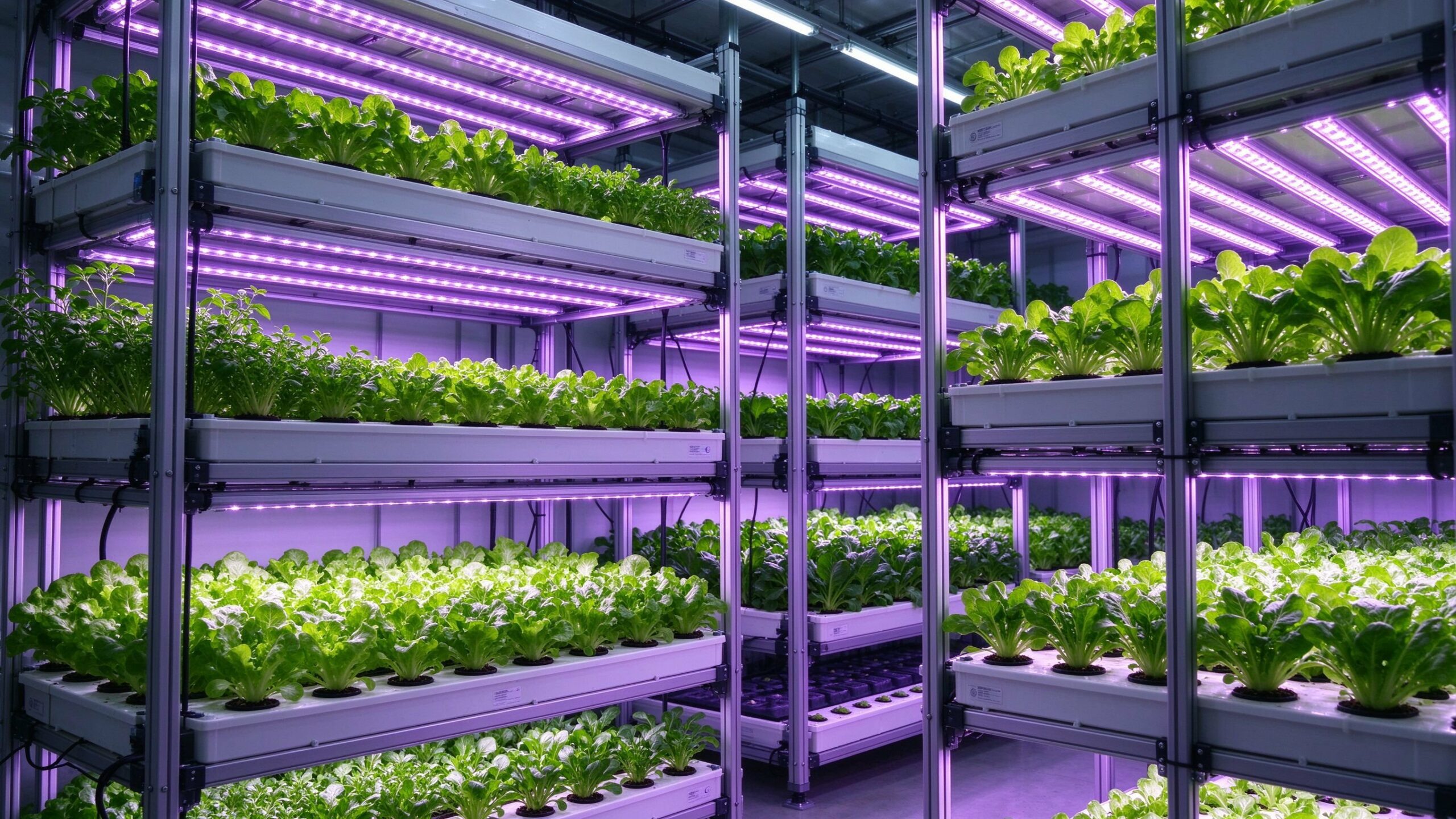
Figure 2: Professional growing system
Pest Management
Flea beetles, spider mites, and whiteflies are common pests. Biological control with predatory mites works well. Verticillium wilt is a major disease; grafting onto resistant rootstocks is recommended.
Fruit load should be managed to prevent branch breakage. Typically 4 to 6 developing fruit per plant at a time is optimal. Over-fruiting leads to small, low-quality fruit.
Eggplants are heavy feeders requiring balanced nutrition with adequate potassium for fruit development. Maintain EC at 2.5 to 3.5 mS/cm. Plants are pruned to 2 to 3 main stems and staked for support. Regular removal of side shoots and yellow leaves improves air circulation.
Nutrition and Pruning
Popular greenhouse varieties include classic black beauty types and elongated Japanese varieties. Growers should select based on local market preferences and season length.
Globe-type eggplants with dark purple glossy fruit are the most common greenhouse varieties. Long Asian types cater to specialty markets. Choose varieties with resistance to fusarium wilt and phomopsis fruit rot. Fruit should be harvested when glossy and before seeds fully mature.
Variety Selection
Yields average 8 to 15 kilograms per square meter over a season. Specialty varieties like white, striped, or Thai eggplants command premium prices at farmers markets and ethnic grocery stores.
Eggplants are harvested when glossy and firm, before seeds darken. Fruit is cut with a sharp knife leaving the green cap attached. Regular harvesting every 3 to 4 days encourages continued production.
Harvest and Marketing
Relative humidity should be 60 to 70 percent. High humidity favors botrytis, while dry air causes flower drop. Horizontal airflow fans maintain uniform conditions.
Eggplants thrive at 23 to 28 degrees during the day and 18 to 20 degrees at night. They are less tolerant of cool temperatures than tomatoes; growth stalls below 15 degrees. Night heating is often required to maintain fruit development.
Climate Requirements
With proper heat management and pruning, greenhouse eggplants produce high yields of premium fruit. Shouguang Zhongtian helps growers optimize eggplant production through climate control and support systems.
Pruning to 2 to 3 stems improves air circulation and fruit quality. Stake plants securely to support the weight of mature fruit. Monitor for spider mites and whiteflies, which thrive in warm, dry conditions.
Eggplants are warm-season crops that demand consistent heat. If greenhouse temperatures cannot maintain 20 degrees at night during winter, defer planting to spring or invest in supplemental heating. Cool temperatures produce misshapen fruit and slow growth.
Tips for Successful Eggplant Production
Conclusion
Greenhouse eggplant can be highly profitable with proper climate and pest management. Shouguang Zhongtian provides systems enabling consistent yields.


