
Introduction
Rainwater is a free, high-quality irrigation source. Collecting it reduces dependence on municipal water. Shouguang Zhongtian designs capture systems.
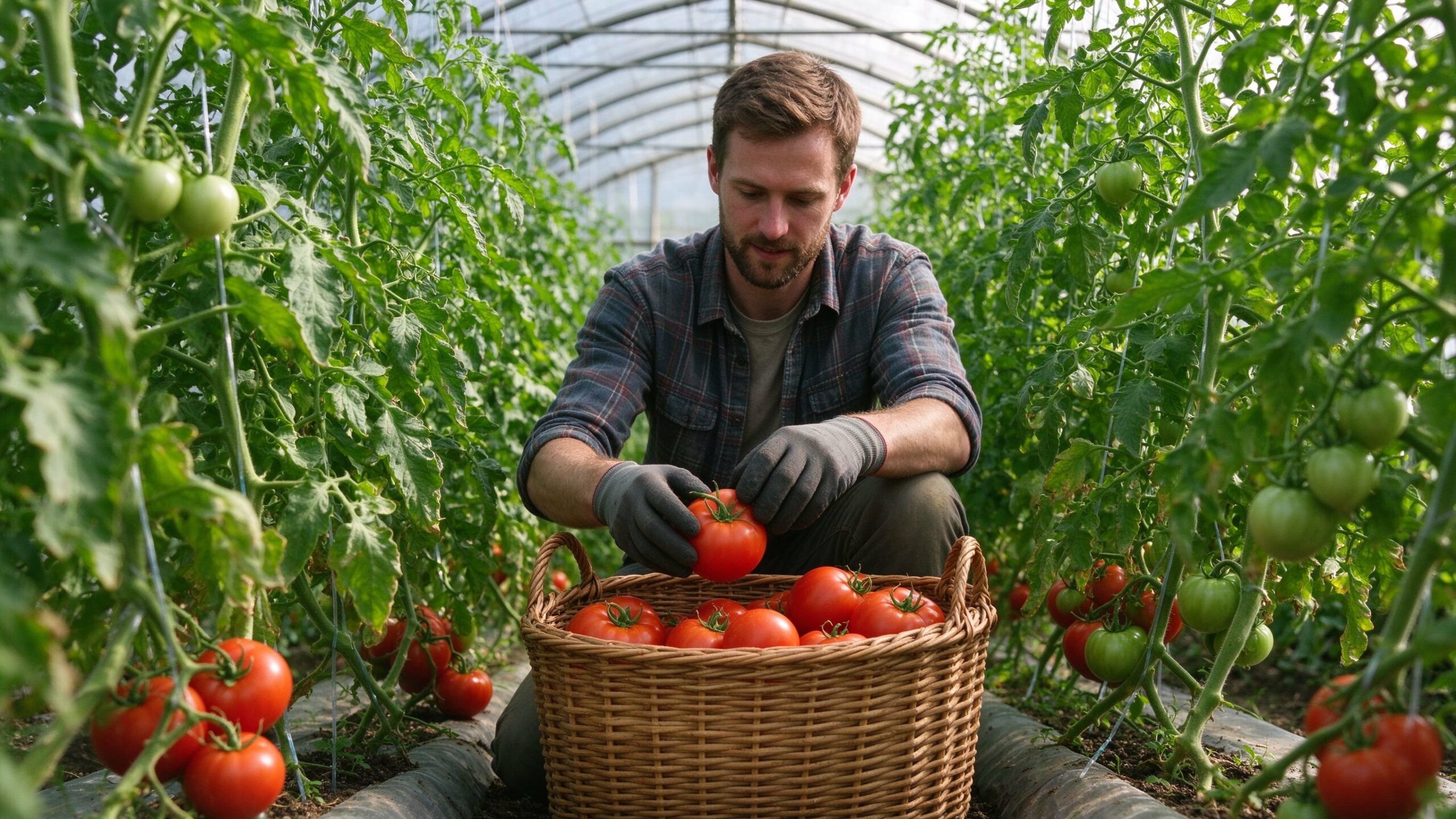
Figure 1: Modern greenhouse by Shouguang Zhongtian
Collection
Greenhouse roofs are ideal collection surfaces. Gutters channel rain to tanks. First-flush diverters discard dirty runoff.
Storage and Treatment
Covered tanks prevent algae. Size based on rainfall and demand. UV sterilization may be needed.
Figure 2: Professional growing system
Benefits
Rainwater is soft and chlorine-free. Reduces water bills. Provides drought supply.
Overflow from storage should drain away from the foundation. Properly designed systems provide emergency supply during municipal water restrictions.
Rainwater is typically soft and slightly acidic, making it ideal for irrigation. It may need pH adjustment and nutrient supplementation. UV sterilization or slow sand filtration removes pathogens.
Water Treatment
Roof material matters: glass and polycarbonate are cleanest, while plastic film may leach chemicals. Food-grade storage tanks prevent algae and contamination.
A 1000-square-meter greenhouse roof captures approximately 1000 liters of water per millimeter of rainfall. Storage tanks should hold at least one month of irrigation demand. First-flush diverters remove roof debris.
System Design
Properly designed systems provide emergency water supply and reduce municipal demand. Many greenhouses rely on rainwater as their primary irrigation source.
Rainwater harvesting regulations vary by region. Some areas require permits for large tanks, while others offer incentives. Collected rainwater may have restricted uses in drought-prone areas.
Legal and Regulatory
Underground concrete tanks are durable and hide from view. Above-ground plastic tanks are cheaper but must be protected from freezing. Tanks should be opaque to prevent algae growth.
Tank capacity should hold at least 2 weeks of irrigation demand during dry periods. Larger storage captures more rainfall but costs more. Calculations use local rainfall averages and catchment area.
Storage Sizing
Rainwater is a free, high-quality irrigation source. Shouguang Zhongtian integrates rainwater harvesting with irrigation system design.
Plan for overflow drainage away from the foundation. Keep tanks covered to prevent mosquito breeding and algae growth. Install filters before irrigation to protect emitters.
Start by calculating your annual irrigation water requirement and local average rainfall. Size the catchment area and storage tank to capture enough rain. Include a good first-flush diverter to wash off roof debris.
Designing a Rainwater System
Whether you are building your first greenhouse or expanding an existing operation, choose suppliers who understand both engineering and horticulture. The right partner provides not just equipment, but long-term support that helps your business grow.
Monitor your crops and environment continuously. Small adjustments in temperature, humidity, irrigation, and nutrition compound into large differences in yield and quality over a growing season. Keep detailed records to learn from each crop cycle.
Successful greenhouse production depends on three pillars: a well-designed structure, precise environmental control, and disciplined crop management. Investing in quality equipment from the beginning prevents costly problems later. Start with a clear business plan and a realistic budget before construction begins.
Key Takeaways for Growers
Conclusion
Rainwater harvesting is sustainable and cost-effective. Shouguang Zhongtian integrates capture into designs.


