
BROWSE THE JOURNAL
News
-
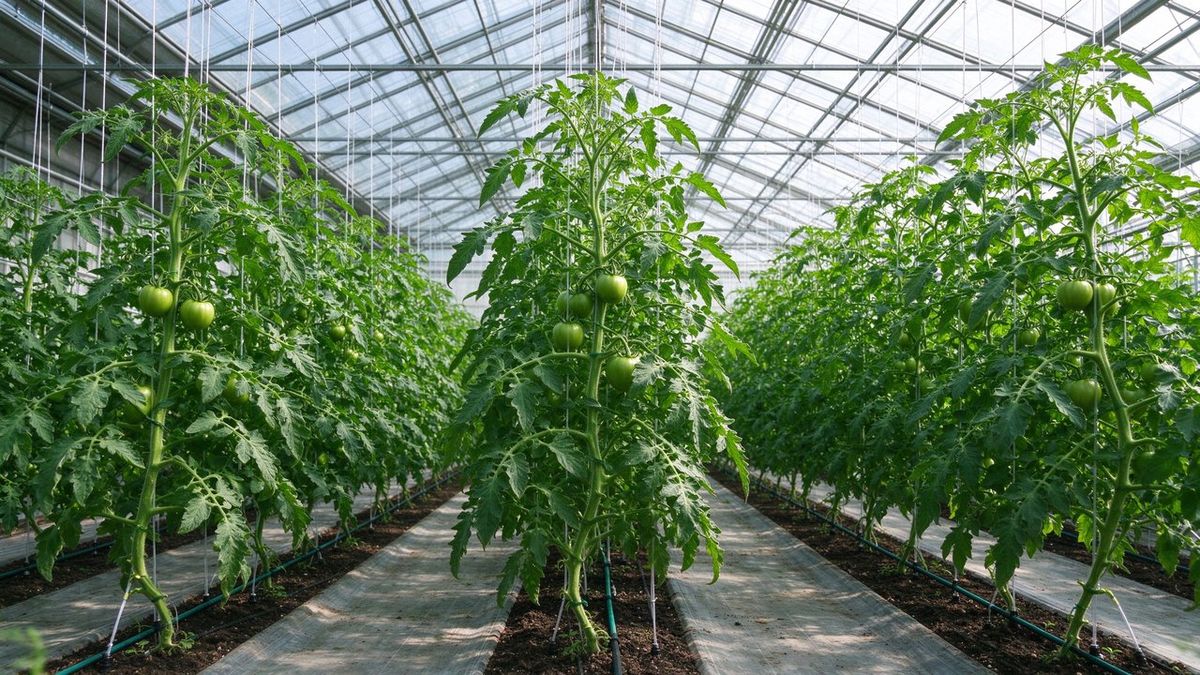
High-Wire Tomato Systems for Year-Round Production
The high-wire tomato system is the standard for year-round greenhouse production. A single overhead wire 2.2 to 2.4 m below the gutter supports stems that are leaned and lowered weekly as they grow. A well-run high-wire crop yields 55 to 75 kg per square metre per year, with harvest every Monday and Thursday. The system…
-
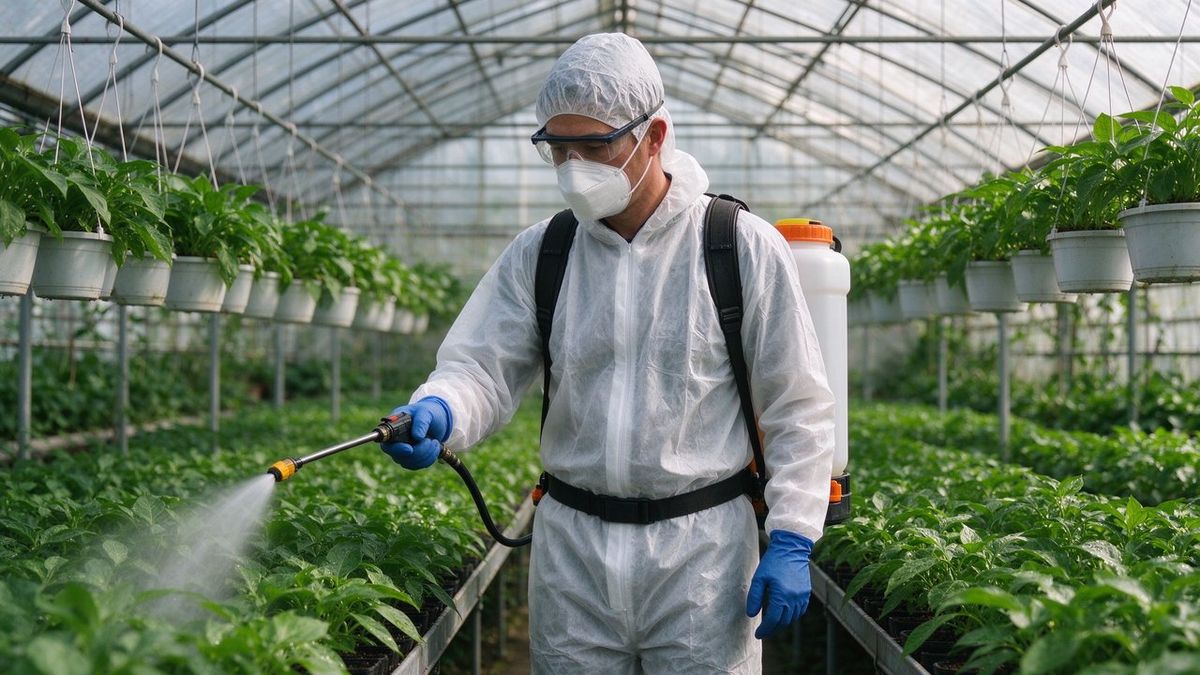
Tomato Leaf Mold Prevention and Control
Leaf mold, caused by Passalora fulva (formerly Cladosporium fulvum), is the most common foliar disease of greenhouse tomatoes. It begins as pale yellow spots on upper leaf surfaces and develops a brownish olive fuzz on the underside within a week. High humidity above 85 percent and leaf wetness longer than 4 hours trigger outbreaks. Left…
-
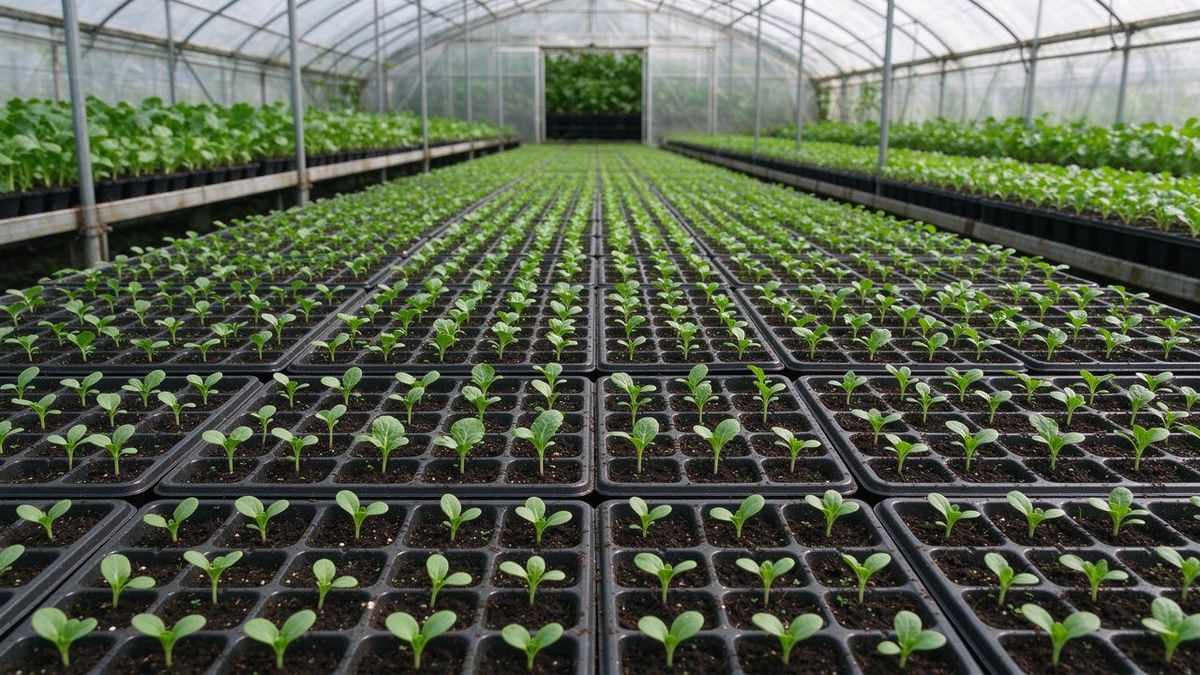
Early Season Tomato Transplant Establishment
The first two weeks after transplanting set the yield ceiling for the whole crop. A tomato plug that develops a tight, white root ball in that window will reach the first truss 5 days earlier and yield 10 to 15 percent more than a stressed transplant. The operations that matter are plug quality, planting depth,…
-
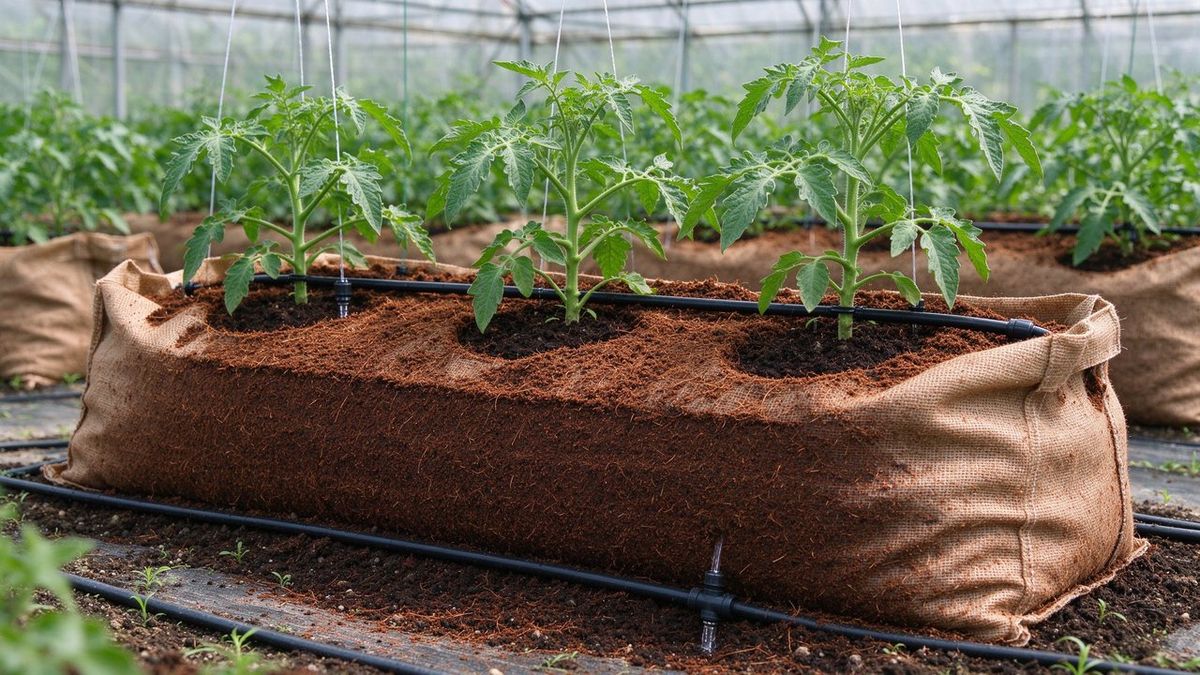
Soilless Tomato Production in Coco Coir Substrate
Coco coir has become the fastest-growing substrate for greenhouse tomatoes because it is renewable, oxygenates well, and drains faster than rockwool. A standard 100 by 20 cm coco bag holds 8 to 9 litres of water and supports two plants. But coco is not rockwool: it releases potassium over the first three weeks, buffers EC…
-
Tomato Nutrition: Calcium and Potassium Management
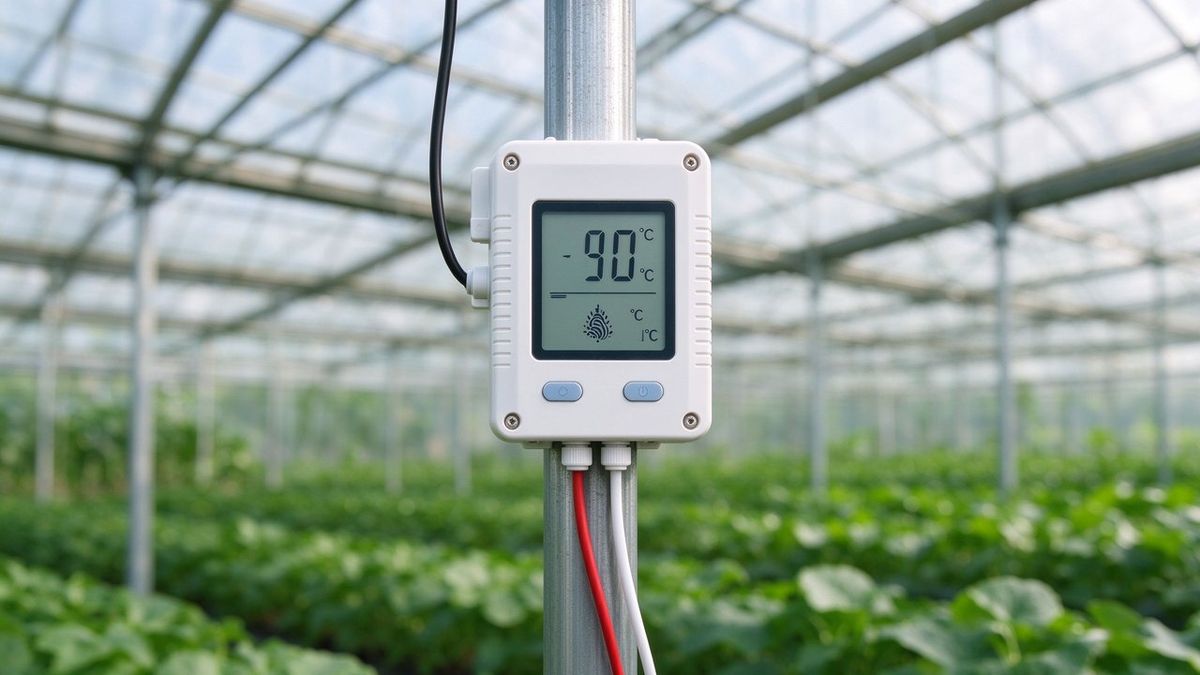
Calcium and potassium are the two nutrients that most often limit tomato yield and fruit quality, yet they interact in ways that surprise new growers. Calcium builds cell walls and prevents blossom end rot; potassium drives fruit colour, sugar, and water uptake. Too much potassium blocks calcium uptake; too much calcium locks out magnesium. A…
-
Reducing Cracking in Greenhouse-Grown Tomato Fruit
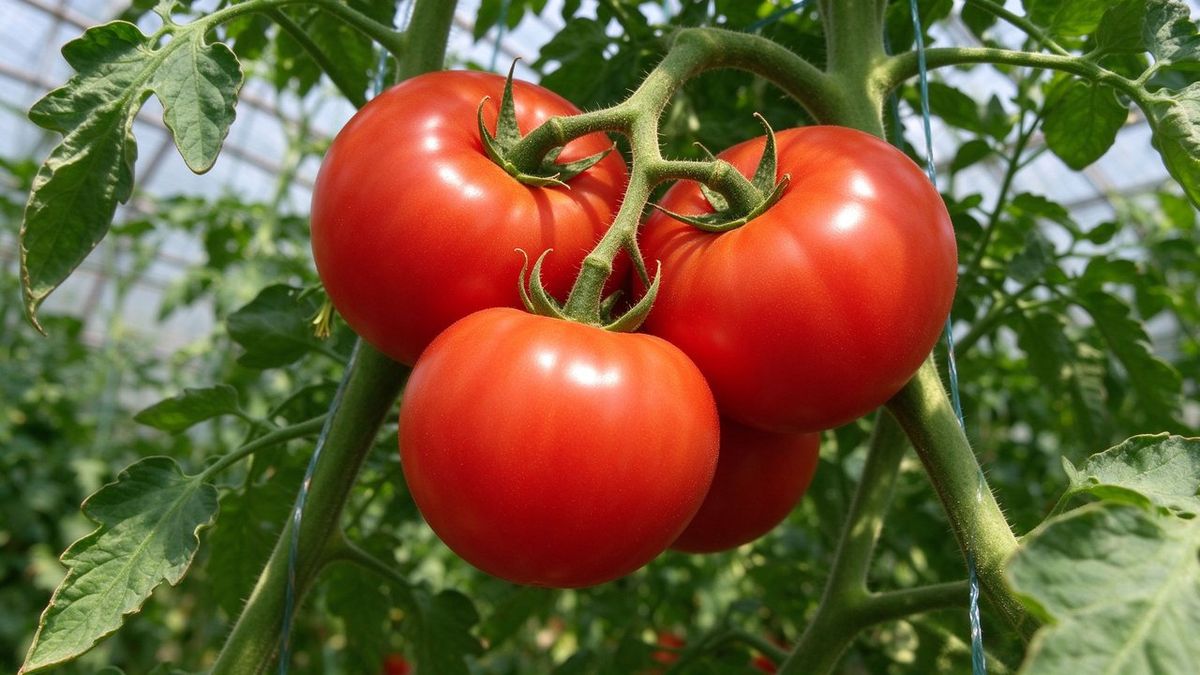
Fruit cracking discards 10 to 30 percent of a tomato crop in a single wet week, and it is almost entirely preventable. Radial cracks run from the stem scar down the shoulder; concentric cracks circle the fruit near the calyx. Both forms happen when the skin cannot expand fast enough after a sudden influx of…
-
Heirloom versus Hybrid Tomatoes in Protected Cultivation
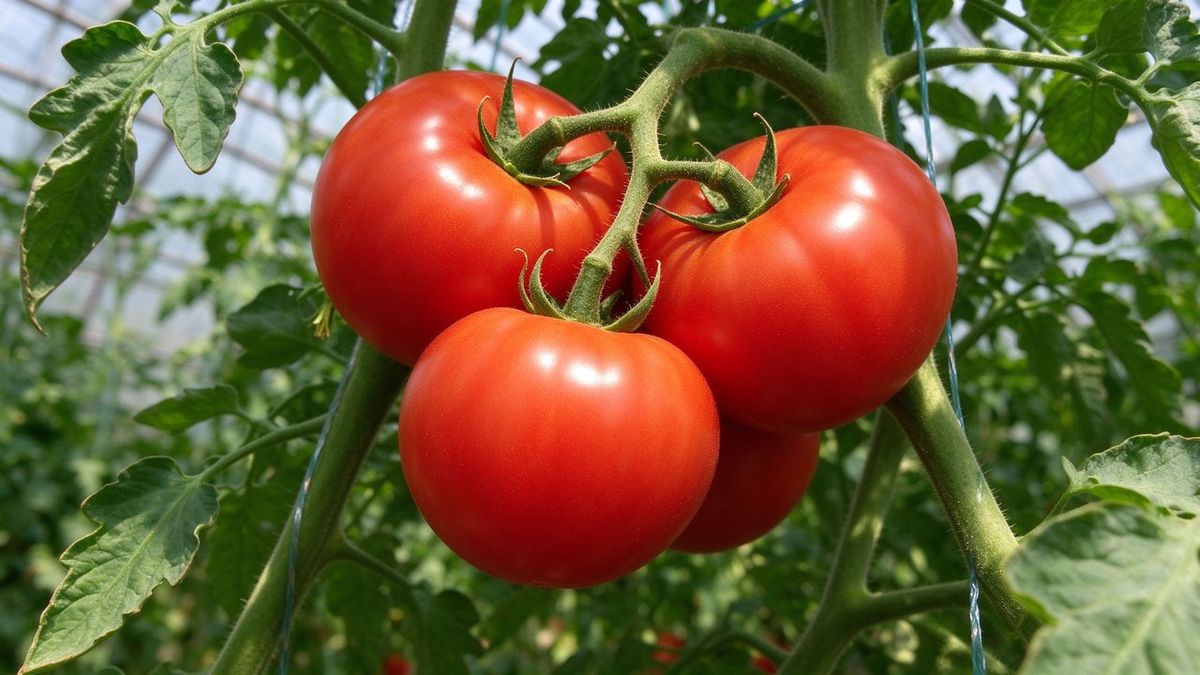
Heirloom tomatoes command a two to three times higher price at farmers markets and specialty grocers, but they yield half to two-thirds of a modern hybrid on the same greenhouse floor. The choice between them is not emotional; it is arithmetic based on market channel, labour availability, and disease pressure. A high-wire hybrid returns 55…
-
Root Knot Nematode Management in Tomato Greenhouses
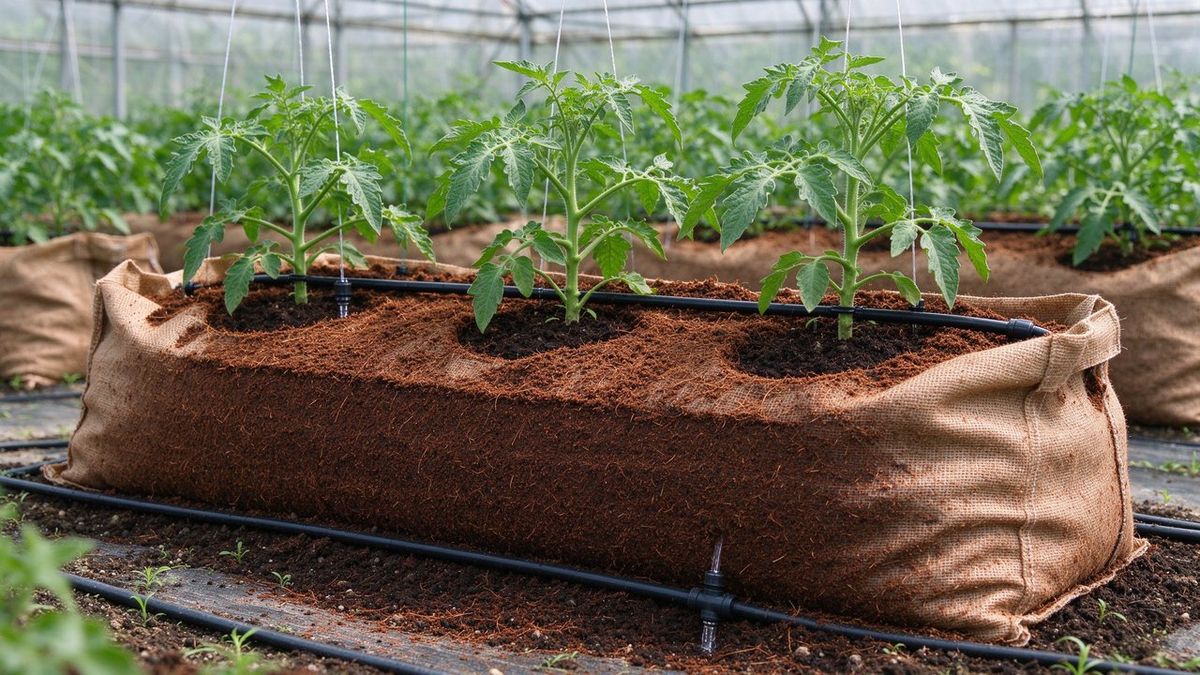
Root knot nematodes, chiefly Meloidogyne incognita and M. hapla, cause swollen galls on tomato roots that reduce water uptake and can cut yield by 30 to 60 percent in a single season. In substrate greenhouses the nematode arrives on infected transplants, drains, or contaminated tools. Once established in coco or rockwool, it persists in the…
-
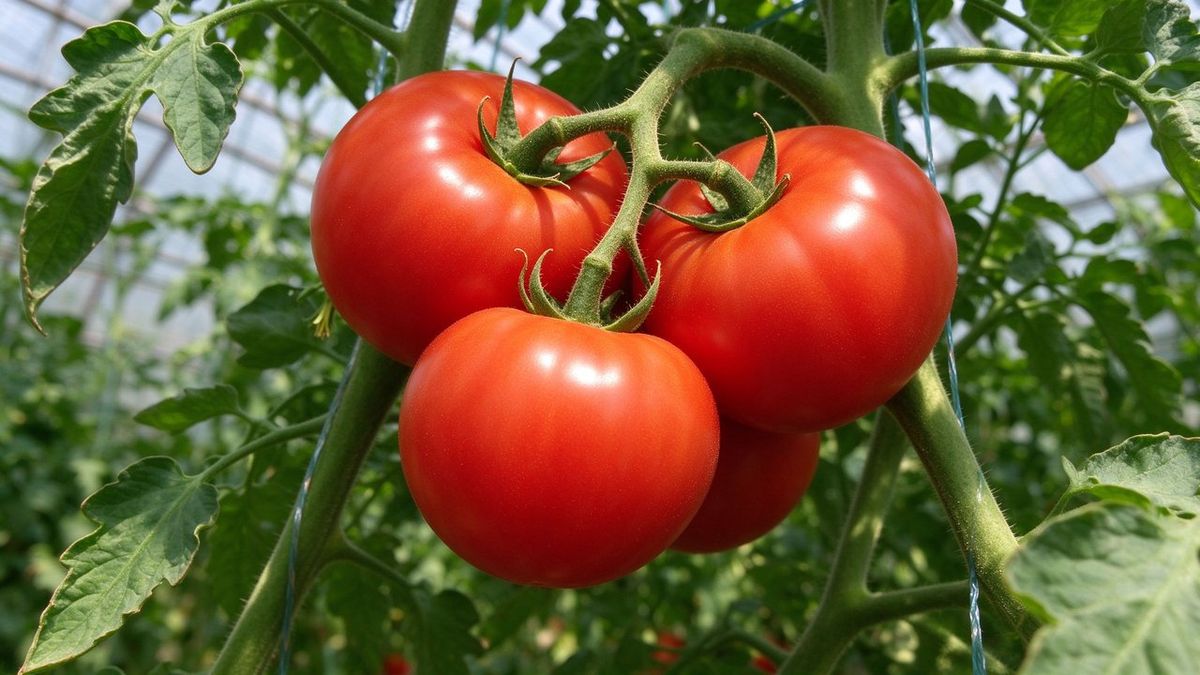
Tomato Ripening: Temperature and Light Strategies
Lycopene synthesis peaks at 21 to 24 degrees Celsius and shuts down above 30 degrees Celsius. A greenhouse that runs at 28 degrees Celsius on a bright afternoon produces pale, orange-red tomatoes even when the variety is genetically deep red. Ripening is controlled by temperature first, light second, and ethylene third. Growers who map their…
-
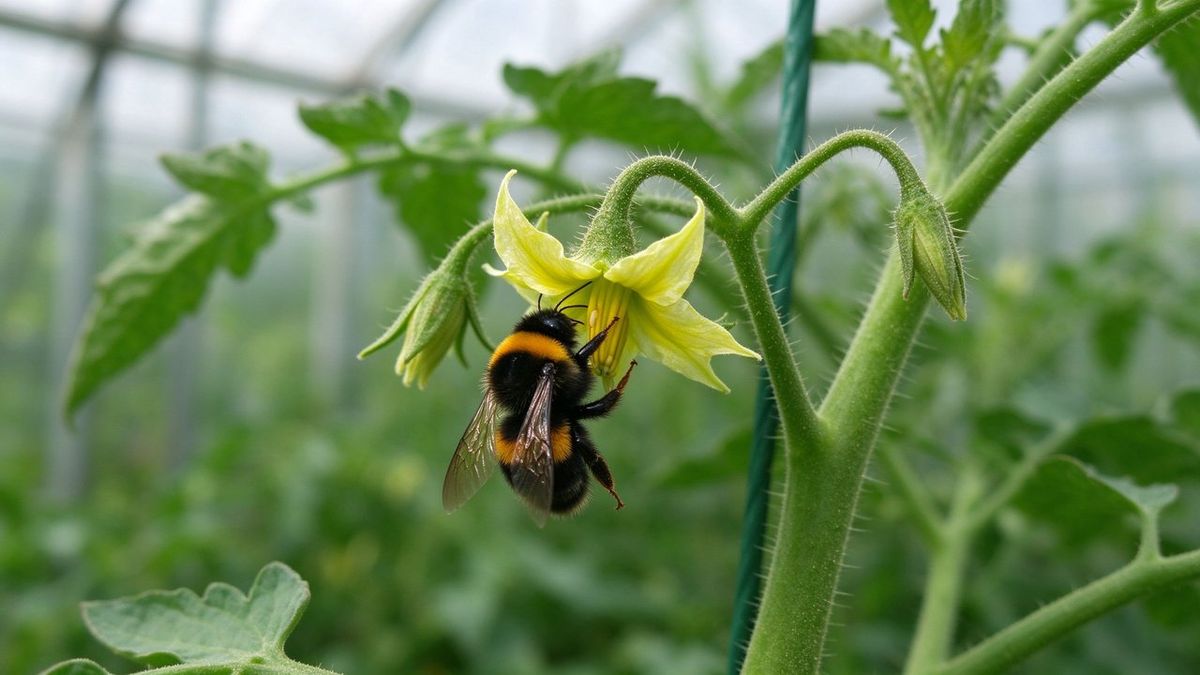
Optimizing Greenhouse Tomato Pollination with Bumblebees
Tomato flowers require vibration to release pollen from the poricidal anther cone. In open fields wind does this; in a greenhouse, bumblebees, electric vibrators, or air blowers are needed. Bumblebee colonies, mainly Bombus terrestris, are the most effective tool, improving fruit set by 15 to 25 percent and raising average fruit weight by 10 percent…