
BROWSE THE JOURNAL
News
-
Sweet Pepper Variety Selection for Protected Production
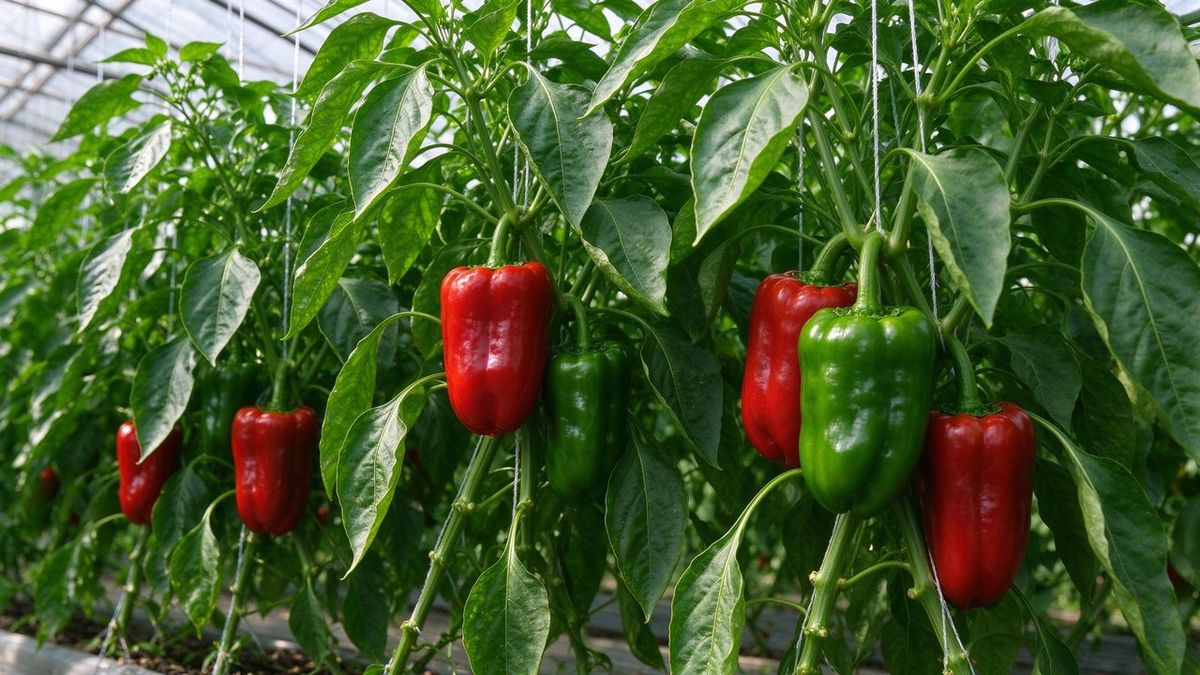
Sweet pepper variety choice sets the yield ceiling, fruit shape, colour, and shelf life for the whole season. Protected culture offers a wide range of blocky bell, lamuyo, and mini-bell hybrids, each bred for specific climate windows and market channels. Selecting the right variety means matching fruit type to market, disease package to local pressure,…
-
Greenhouse Cucumber Transplant Production
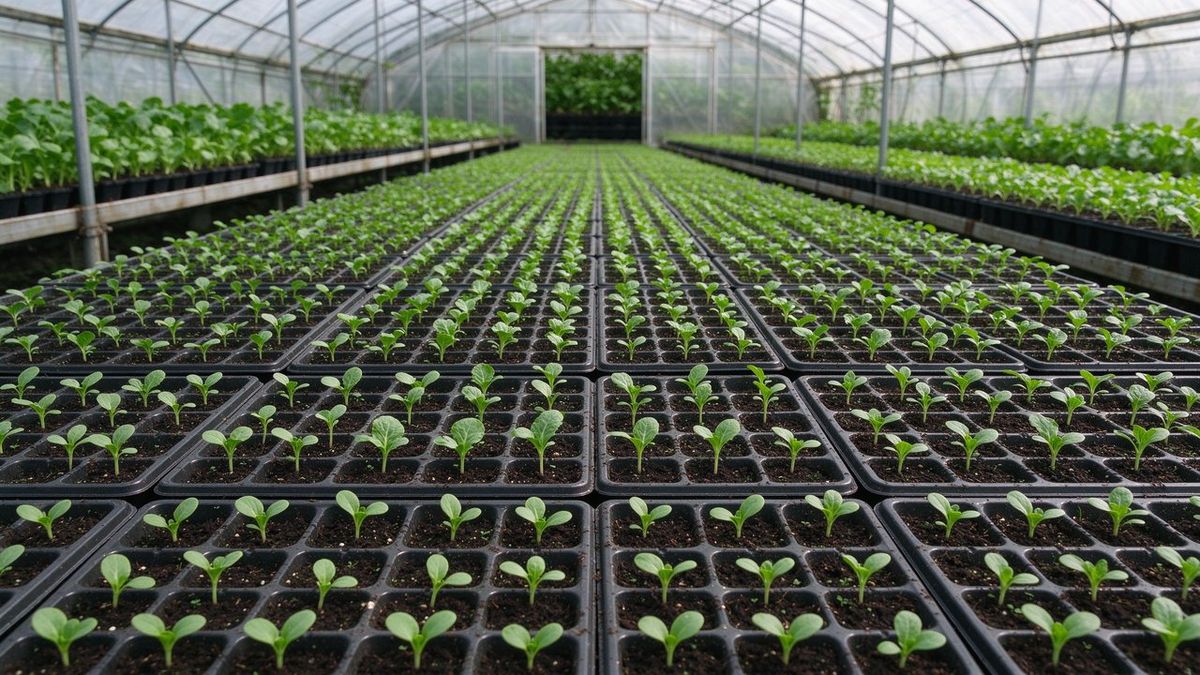
The transplant is the foundation of a cucumber crop: a well-grown 4-week-old seedling reaches first harvest 3 days earlier and yields 10 percent more than a stressed tray. Cucumber transplants are grown in rockwool plugs, coco coir blocks, or peat pots, under climate control that balances warm roots, moderate top growth, and hardening off before…
-
Cucumber Aphid and Whitefly Control in Greenhouses
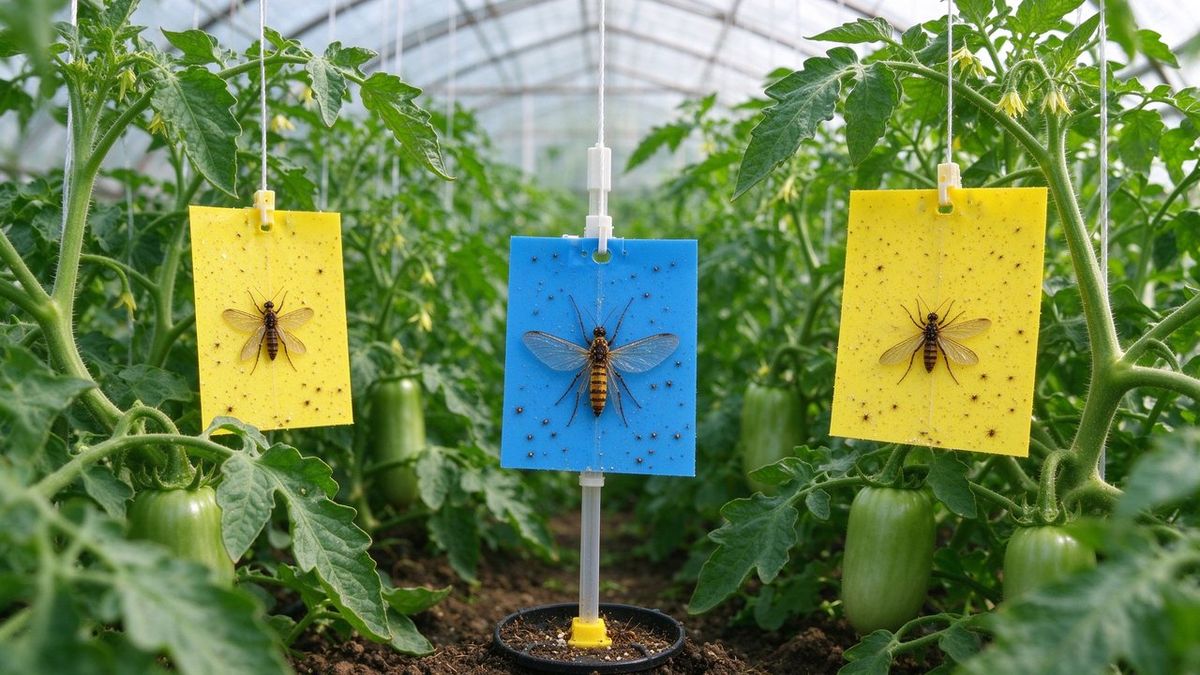
Aphids (Aphis gossypii) and greenhouse whitefly (Trialeurodes vaporariorum) are the two most persistent insect pests of greenhouse cucumber. They suck phloem, excrete honeydew that grows sooty mould, and transmit viruses that stunt plants. Chemical sprays are the last resort; biological control on a clean prophylactic programme is the standard and keeps populations below 1 aphid…
-
Extending Cucumber Harvest with Succession Planting
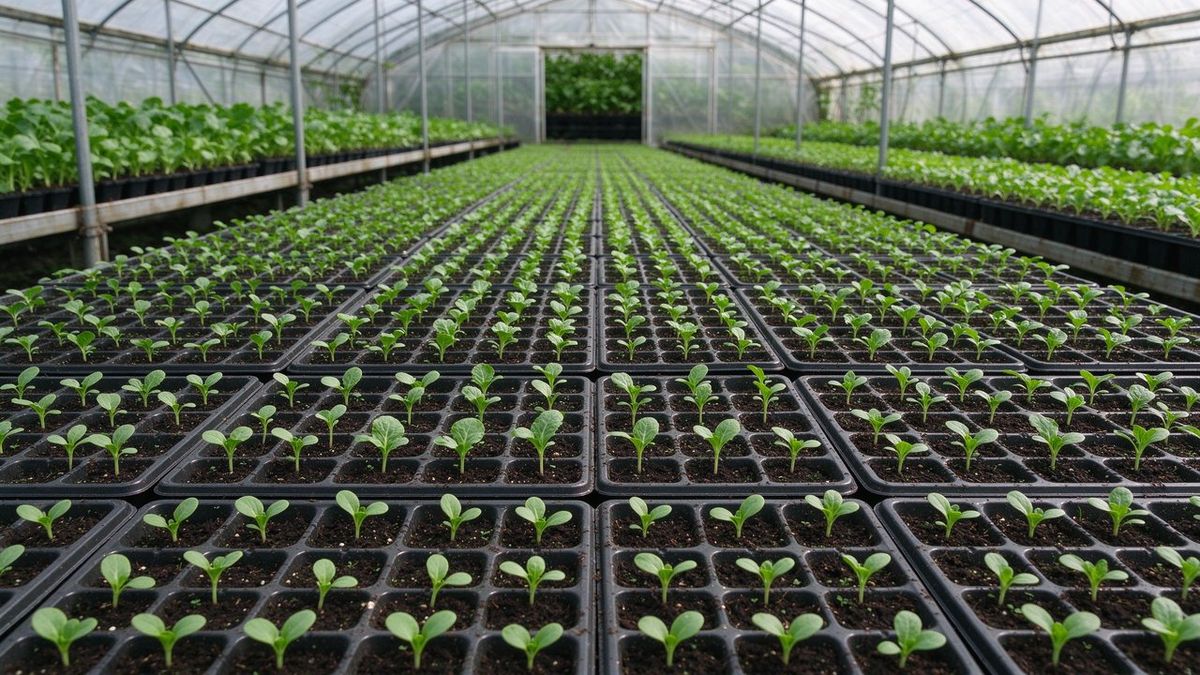
A single cucumber crop peaks at week 8 to 10 and declines by week 14; succession planting keeps a steady harvest on the same greenhouse by overlapping new transplants with the tail of the old crop. The technique extends production from 14 weeks to 30 to 40 weeks per year on the same floor, but…
-
Cucumber Nutrition Management in Recirculating Systems
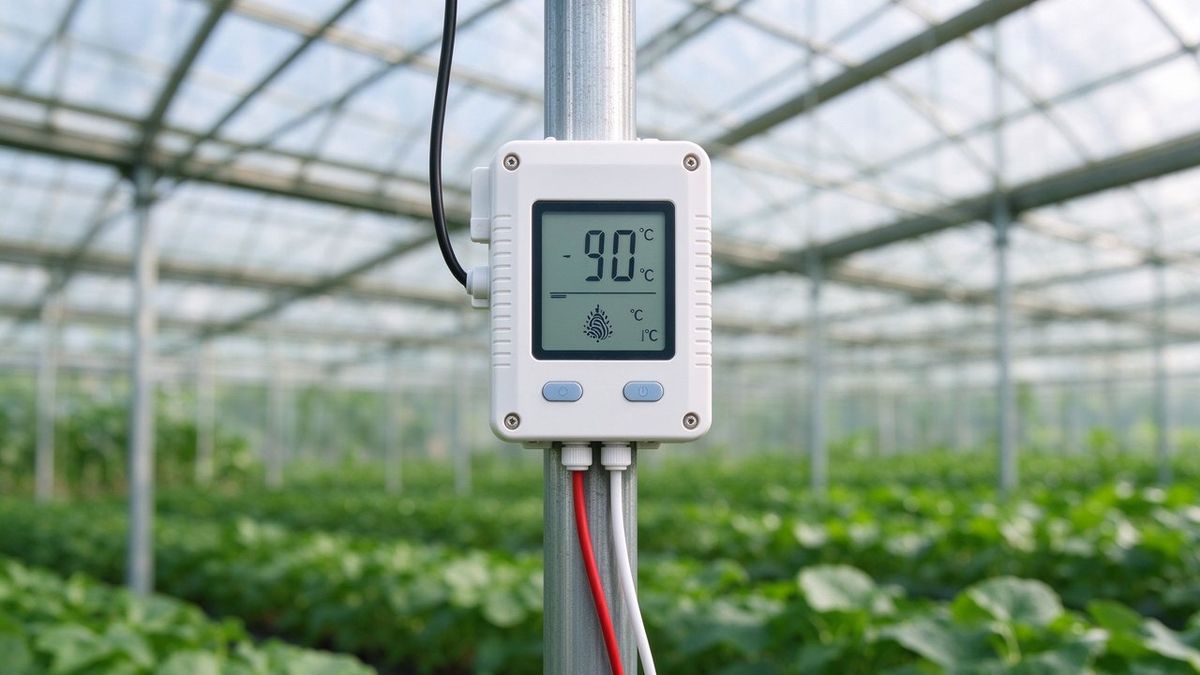
Recirculating nutrient systems cut fertiliser and water use by 30 to 40 percent versus drain-to-waste, but they concentrate salts, imbalance ratios, and amplify root pathogens unless managed tightly. Cucumber in recirculation needs continuous EC and pH monitoring, scheduled bleed-off, and weekly solution analysis to keep the feed inside a narrow band. The reward is a…
-
Soilless Cucumber in Perlite and Rockwool
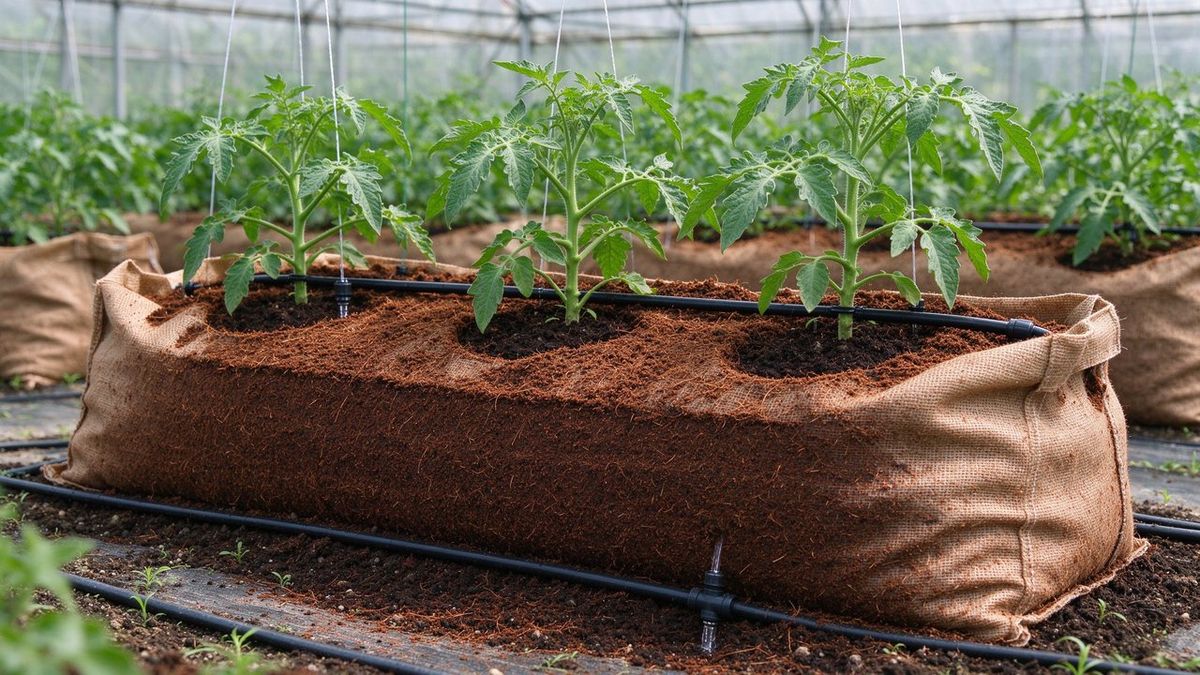
Perlite slabs and rockwool blocks are the two dominant soilless substrates for greenhouse cucumber, chosen for their inert chemistry, air-filled porosity, and drainage. Rockwool is the long-standing standard for long English cucumbers; perlite slabs and coco coir are close competitors that win on cost, weight, and reuse. Both need precise fertigation to compensate for the…
-
Greenhouse Bell Pepper Cultivation Essentials
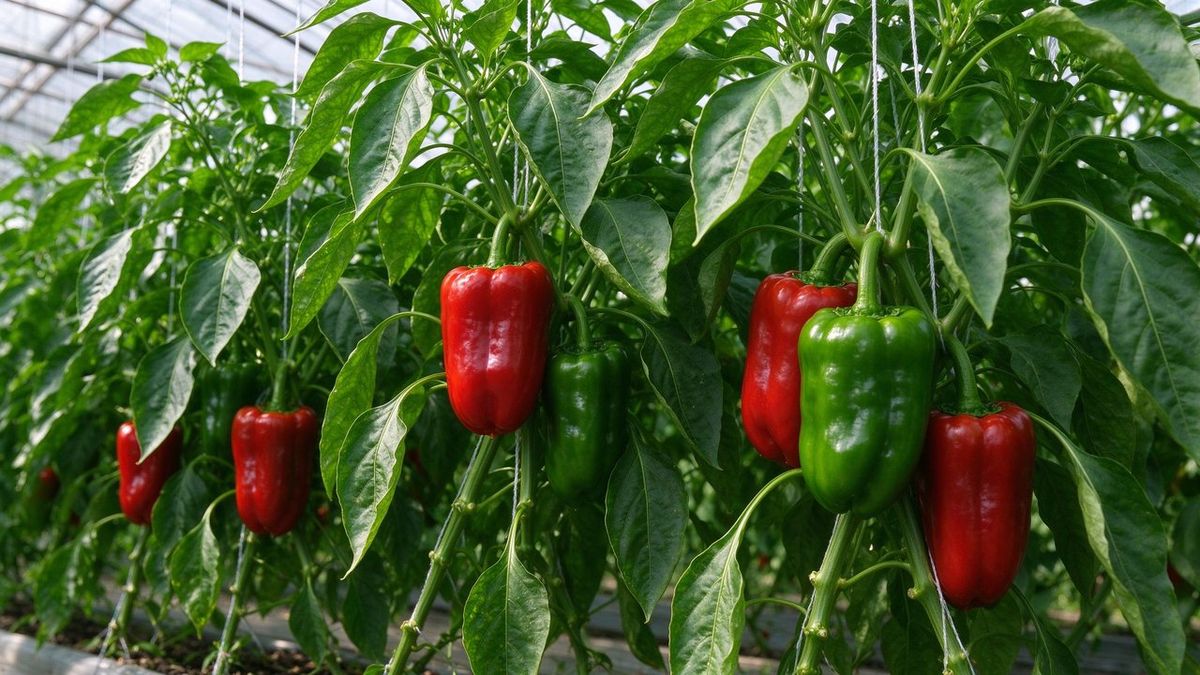
Bell pepper (Capsicum annuum) is the second most important fruiting vegetable in modern greenhouse horticulture, yielding 18 to 25 kg per square metre per year under controlled climate. It is slower than tomato to establish but more tolerant of lower light, and it rewards disciplined pruning, balanced nutrition, and bumblebee pollination with thick-walled, blocky fruit.…
-
Cucumber Bacterial Wilt: Prevention Strategies
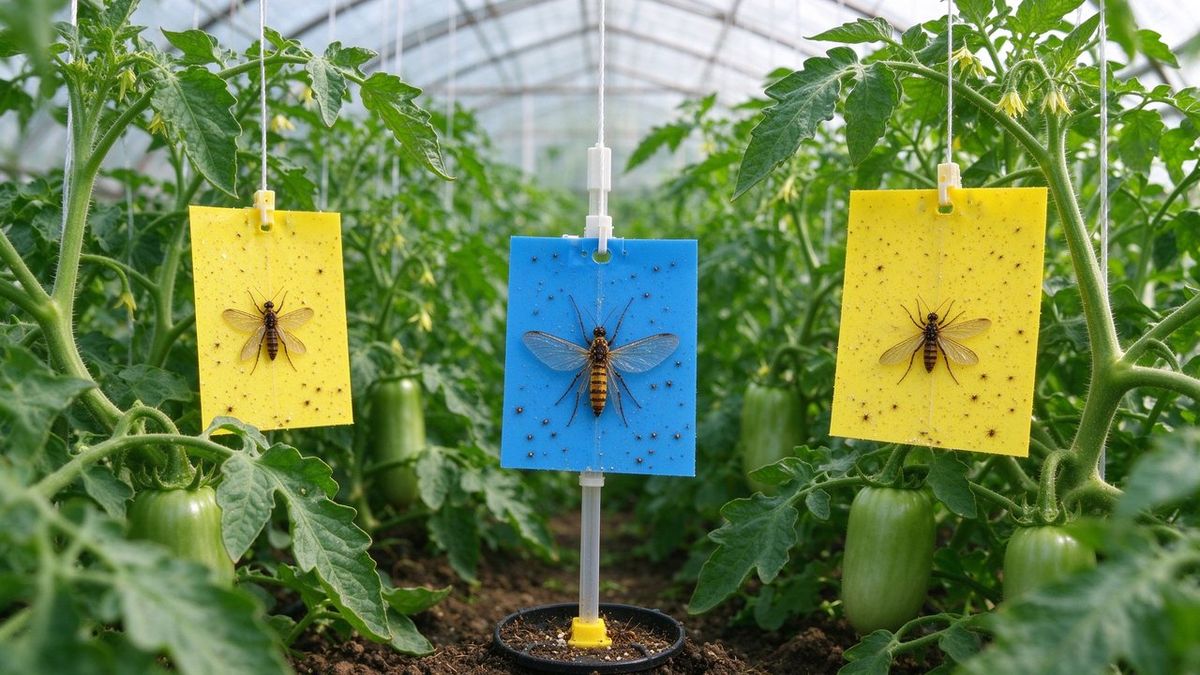
Bacterial wilt, caused by Erwinia tracheiphila and spread largely by striped and spotted cucumber beetles, is a soil- and vector-borne disease that wilts individual runners overnight and kills whole plants within a week. In greenhouse culture it is less common than in the open field, but it appears when beetles enter through vents, when infected…
-
Greenhouse Cucumber Pollination and Fruit Set
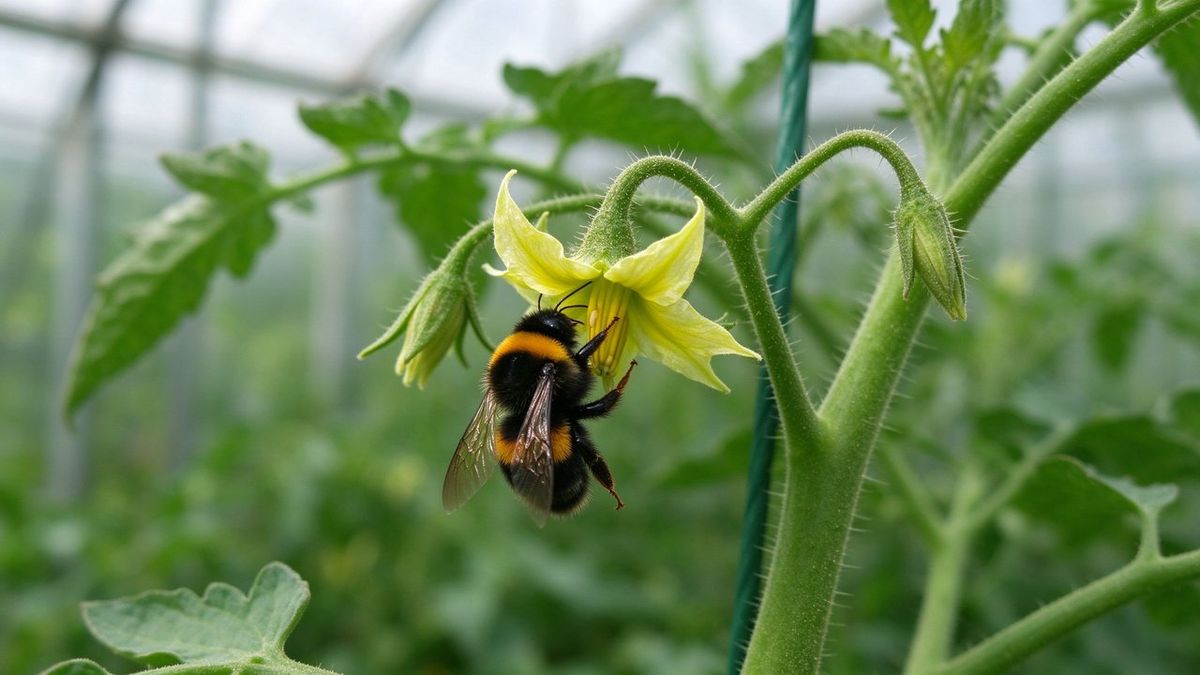
Standard long English cucumbers are parthenocarpic and set fruit without pollen, but fruit set is not automatic: flowers abort when temperatures, nutrition, or light fall outside a narrow window. Mini and Beit-alpha types, and some outdoor hybrids, still need pollinators. Getting fruit set right means keeping the plant in balance, knowing when bees help and…
-
Cucumber Fruit Quality: Avoiding Curvature and Narrow Ends
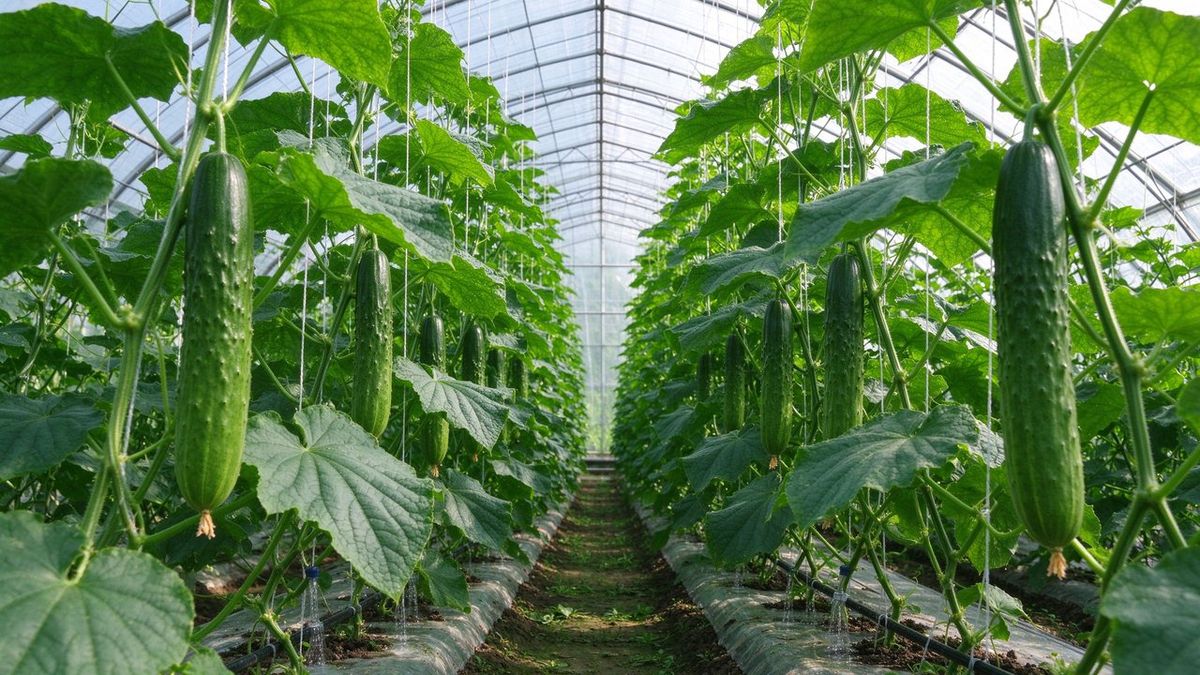
Crooked cucumbers and narrow-necked fruit are the two most common quality losses in greenhouse cucumber, cutting grade-1 pack-out by 15 to 25 percent in a single season. Both defects are physiological, not genetic, and both track back to the same root causes: uneven water, mechanical pressure on the growing fruit, and temperature swings during the…