
BROWSE THE JOURNAL
News
-
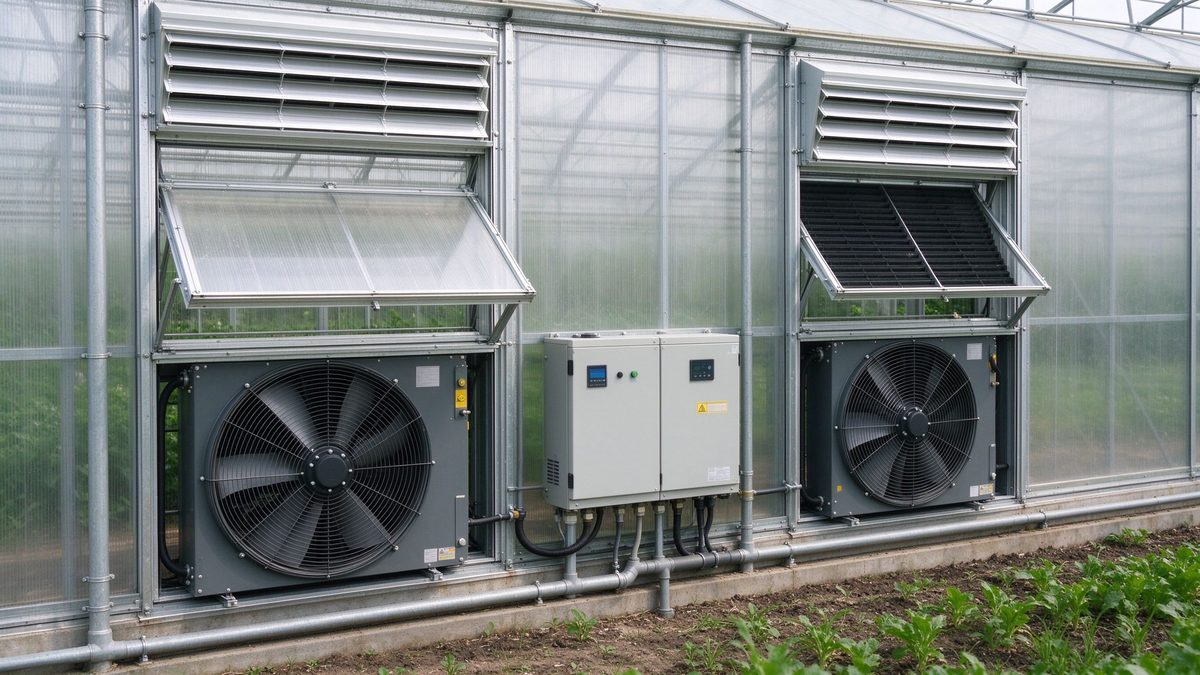
Greenhouse Structural Design for Wind and Snow Loads
The Loads That Decide Survival A greenhouse is a lightweight structure designed to carry its own weight plus crop load, equipment, wind, and snow. Most failures occur because one of these was underestimated at design stage, not because the structure was poorly built. Design codes define the required loads for a location, and they should…
-
Pruning and Deleafing Indeterminate Tomato for Yield and Quality
Pruning Is a Yield Decision Every leaf is a factory and every fruit is a sink, and pruning adjusts the balance between them. Removing leaves reduces photosynthetic capacity; leaving too many reduces light penetration to lower trusses and increases humidity in the canopy, which costs quality. Indeterminate tomatoes are normally trained on a single stem,…
-
Substrate Selection: Rockwool, Coir and Perlite Compared
What a Substrate Must Actually Do A substrate has four jobs: hold water, hold air, hold nutrients in an available form, and stay structurally stable for the length of the crop. Every material balances these differently, and no single substrate is best for every crop and irrigation strategy. The choice therefore follows the watering regime…
-
Tomato Harvest and Post-Harvest Quality Chain
Picking at the Right Colour Stage Colour stage at harvest determines both eating quality and shelf life. Fruit picked fully ripe eats best but travels poorly; fruit picked at breaker or turning stage arrives with acceptable colour and firmness but with less sugar development. Chilling sensitivity complicates the decision. Tomatoes stored below roughly ten degrees…
-

Integrated Pest Management with Beneficial Insects in Greenhouses
Why Preventative Releases Work Better A greenhouse is an enclosed ecosystem, and pests that establish in it multiply without the natural enemies that control them outdoors. Chemical rescue arrives late; biological prevention arrives before the population has a head start. Preventative releases place natural enemies in the crop before the pest appears, so that a…
-
Climate Control in Hot and Humid Greenhouse Climates
Why Pad and Fan Disappoints in Humid Air Evaporative cooling works by converting sensible heat into latent heat as water evaporates. Its effectiveness depends entirely on how much water the incoming air can still absorb. In dry desert air, pad and fan systems deliver large temperature drops; in humid tropical air, the same equipment produces…
-
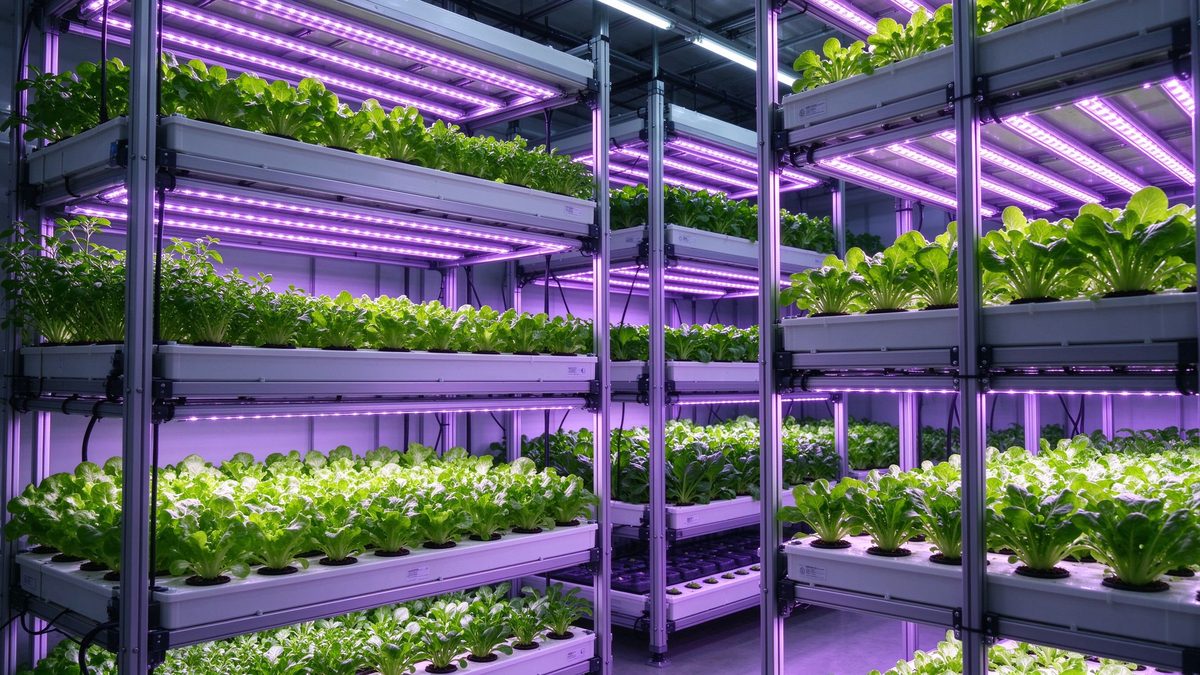
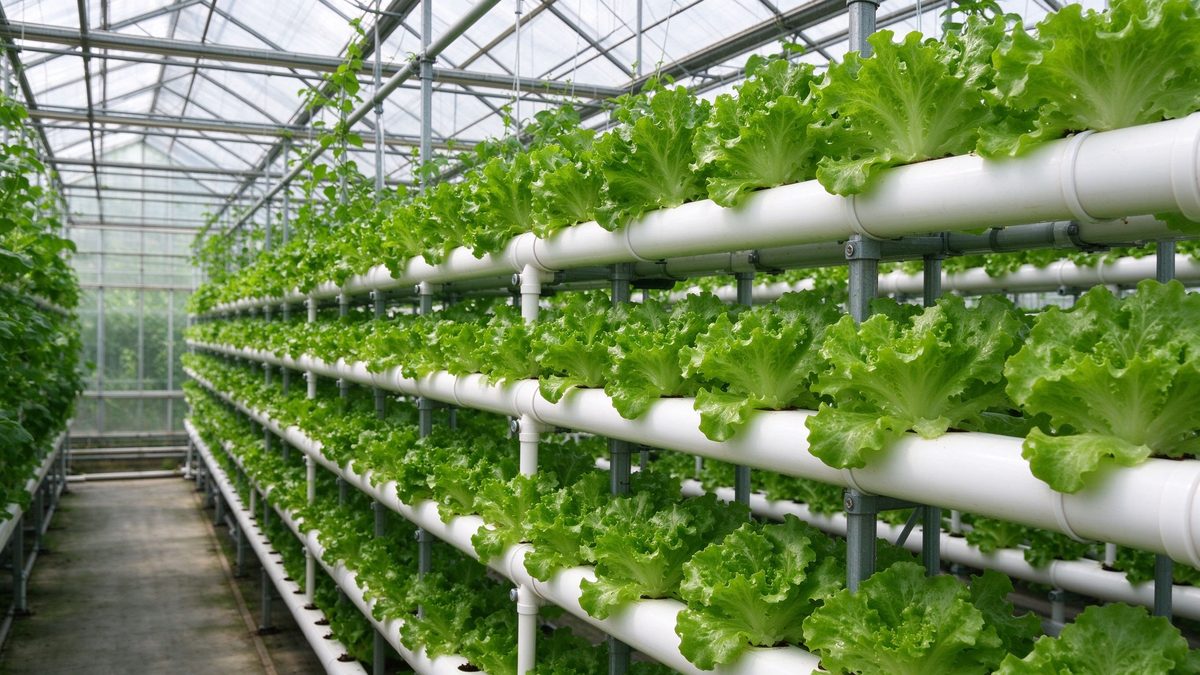
Hydroponic Leafy Greens: Nutrient Film Technique Versus Deep Water Culture
Two Ways to Deliver Water Nutrient film technique runs a shallow stream, typically two to three millimetres deep, along gently sloping channels. Roots sit partly in the film and partly in air, so oxygen supply comes from the exposed root mass rather than from aeration equipment. Deep water culture suspends plants on rafts above a…
-
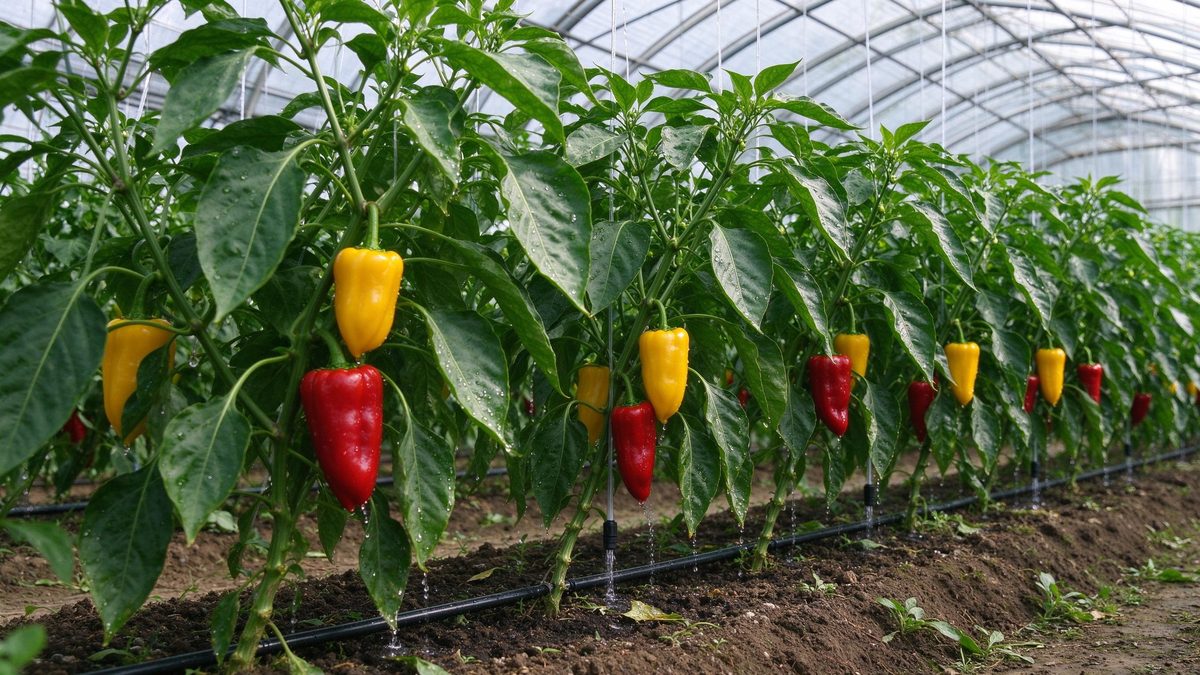
Pepper Fruit Set and Pollination in Protected Culture
Why Peppers Set Poorly Indoors Pepper is a self-pollinating crop, but it still needs movement to release pollen from the anthers. In open field, wind does the work. In a closed greenhouse with still air, flowers open, pollen stays in the anther, and the flower aborts within days. The result looks like a disease problem…
-
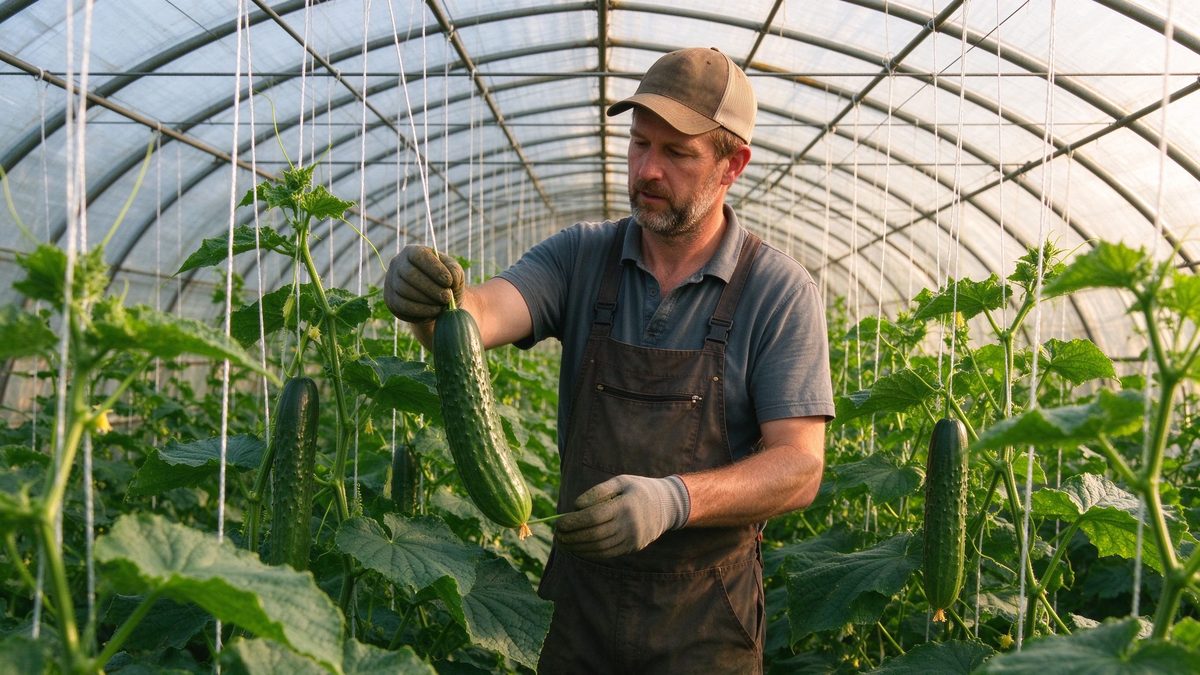
High-Wire Cucumber Production: Training, Density and Crop Rhythm
Why Cucumbers Need a Different Structure Cucumbers are the fastest-growing greenhouse crop most growers manage, extending up to sixty centimetres of stem in a week under good conditions. Any training system must accommodate that growth without letting the canopy collapse into a tangle or shade its own fruit. High-wire training answers this with a single…
-
Nutrient Solution Management: EC, pH and Water Quality
What Electrical Conductivity Actually Tells You Electrical conductivity is not a measure of nutrition; it is a measure of total dissolved ions. Two solutions with the same reading can differ completely in composition, one rich in potassium and calcium, the other loaded with sodium and chloride. Reading electrical conductivity as if it were a nutritional…