
BROWSE THE JOURNAL
News
-
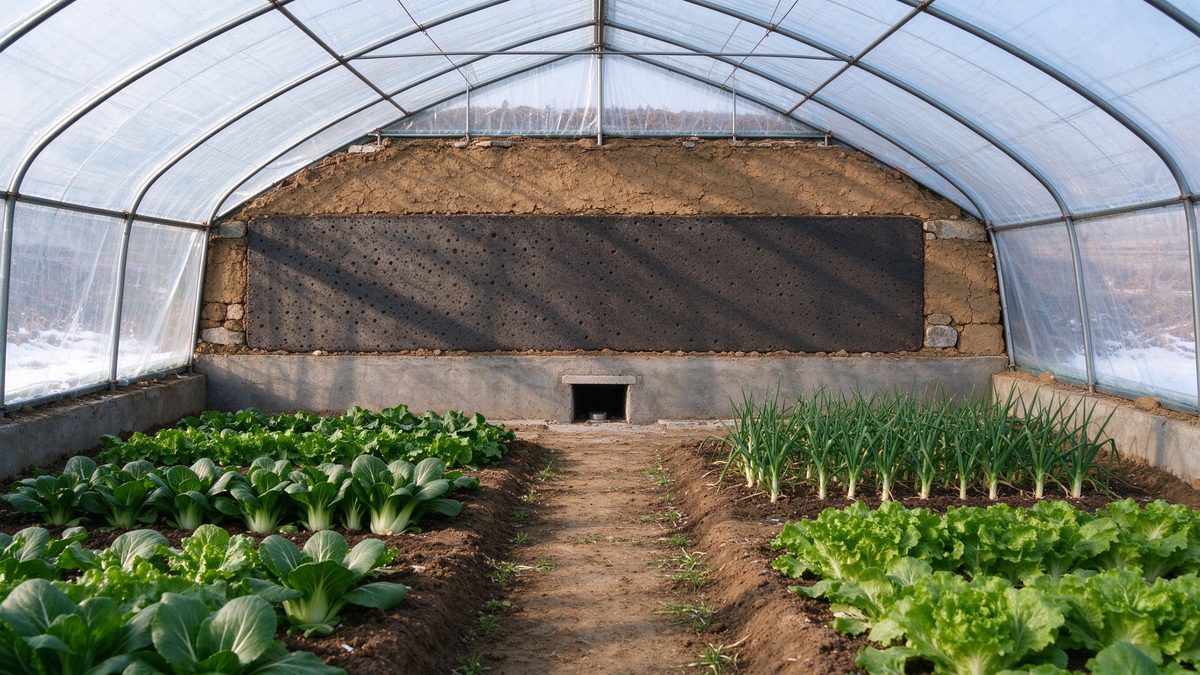
Insect-Proof Screenhouse Production: Protected Growing Without Glass
A Different Kind of Protection Screenhouses, also called net houses or insect-proof structures, occupy a middle position between open field and full greenhouse. They exclude the insects that transmit viruses while allowing natural light, air movement, and rainfall to reach the crop. Capital cost is a fraction of a glasshouse. In tropical and subtropical regions,…
-
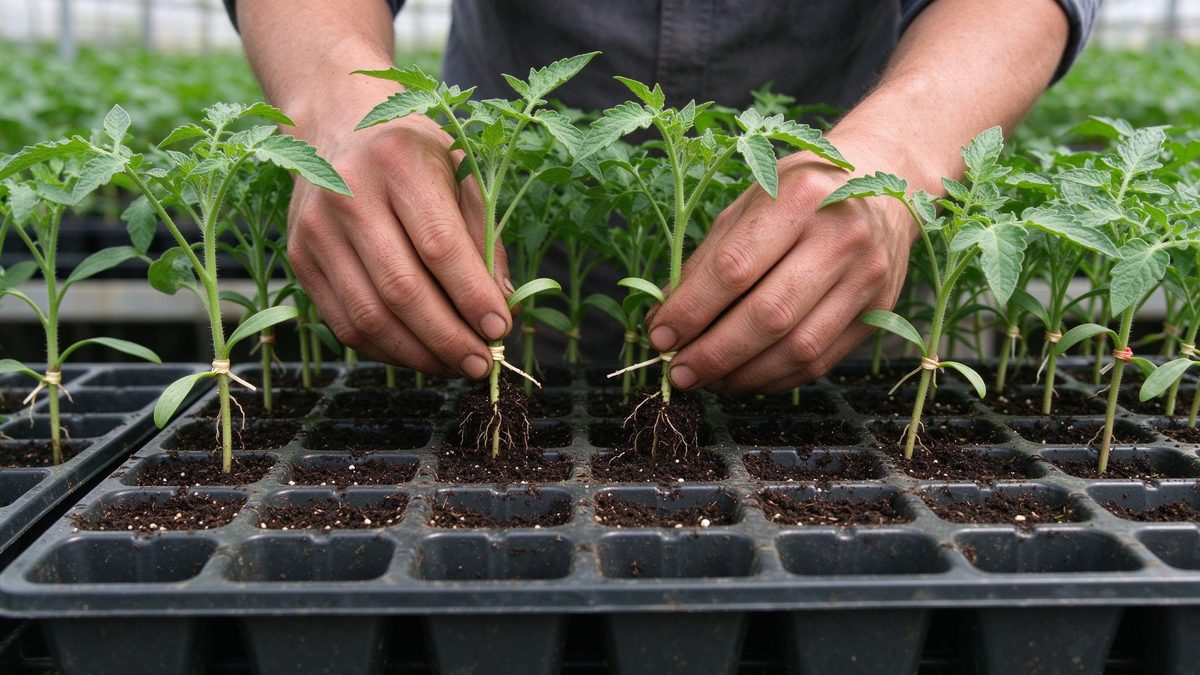
Grafting as a Strategy Against Bacterial Wilt in Tomato
The Problem With Soil Fumigation Bacterial wilt, caused by Ralstonia solanacearum, is among the most destructive soil-borne diseases of tomato. The pathogen has a wide host range and persists in soil for years, which makes crop rotation largely ineffective. Once established, losses can approach one hundred percent within a single season. Soil fumigants including methyl…
-
Rootstock and Scion Compatibility in Mediterranean Greenhouse Tomato
Grafting Under Mediterranean Conditions Mediterranean greenhouse production faces a combination of constraints that grafting addresses directly: saline irrigation water, depleted soils carrying soil-borne pathogens, and short cold cycles that stress young plants. Research trials in organic cold greenhouses in Sicily compared interspecific and intraspecific rootstocks against a commercial standard and against self-grafted and non-grafted controls.…
-
Robotics and Automated Transplanting in Greenhouse Nurseries
The Labour Problem Robots Address Transplanting is the most repetitive task in a greenhouse nursery. Millions of seedlings are moved from propagation trays into finishing pots or slabs each season, and the work is physically demanding, seasonal, and increasingly difficult to staff. Nurseries report that transplanting labour is their most persistent bottleneck. Collaborative robots, designed…
-
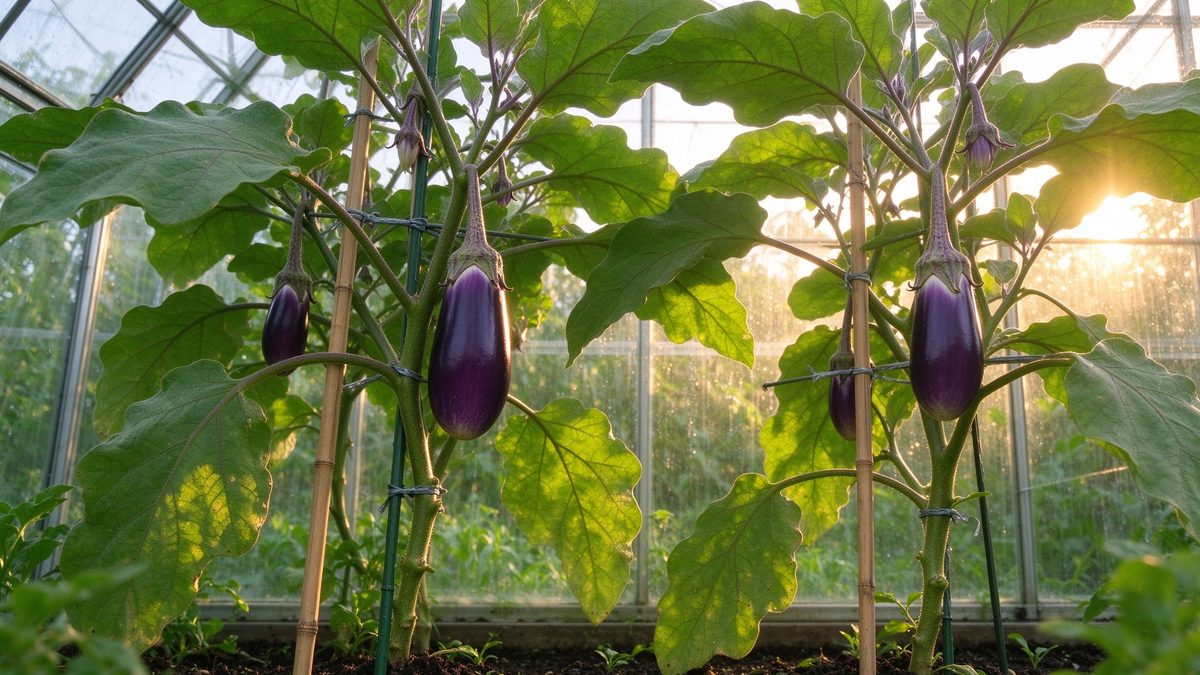
Carbon Dioxide Management and Recovery in Greenhouses
The Case for Enrichment Carbon dioxide is the raw material of photosynthesis, and inside a sealed greenhouse the crop depletes it within an hour of sunrise. Ambient air holds roughly four hundred parts per million; optimising enrichment targets eight hundred to one thousand parts per million during the light period. At those levels, tomato and…
-
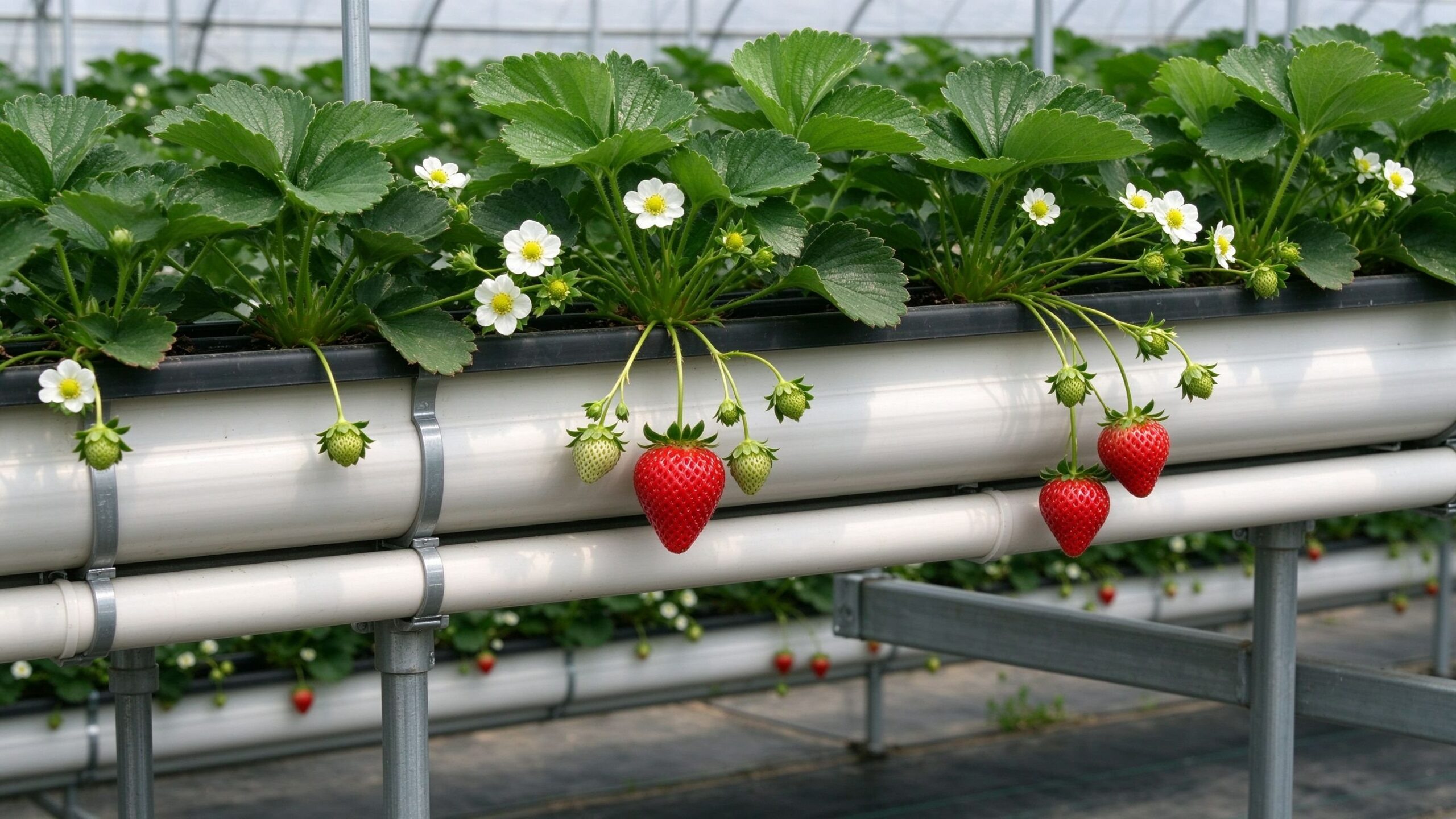
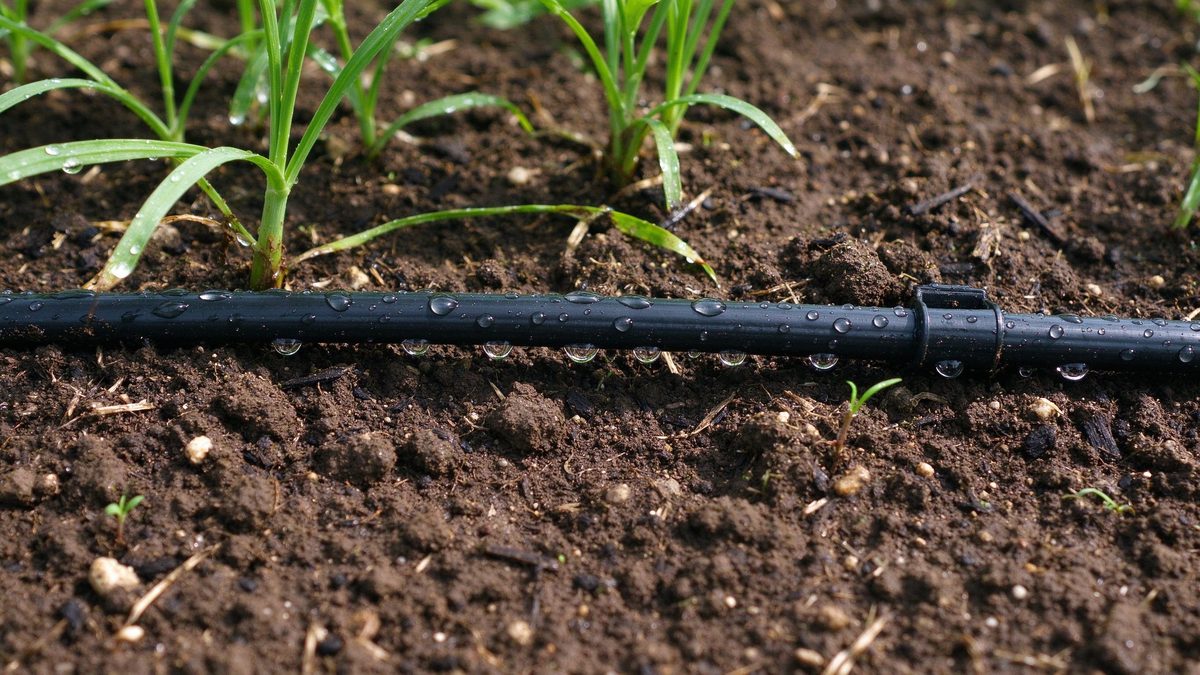
Closed-Loop Water Recirculation in Greenhouse Irrigation
Why Recirculation Matters A drain-to-waste irrigation system discards twenty to forty percent of the water it delivers, along with the fertiliser dissolved in it. In regions where water is expensive, regulated, or simply scarce, that loss is unacceptable. Recirculation captures the drainage, treats it, and returns it to the crop. The environmental case and the…
-
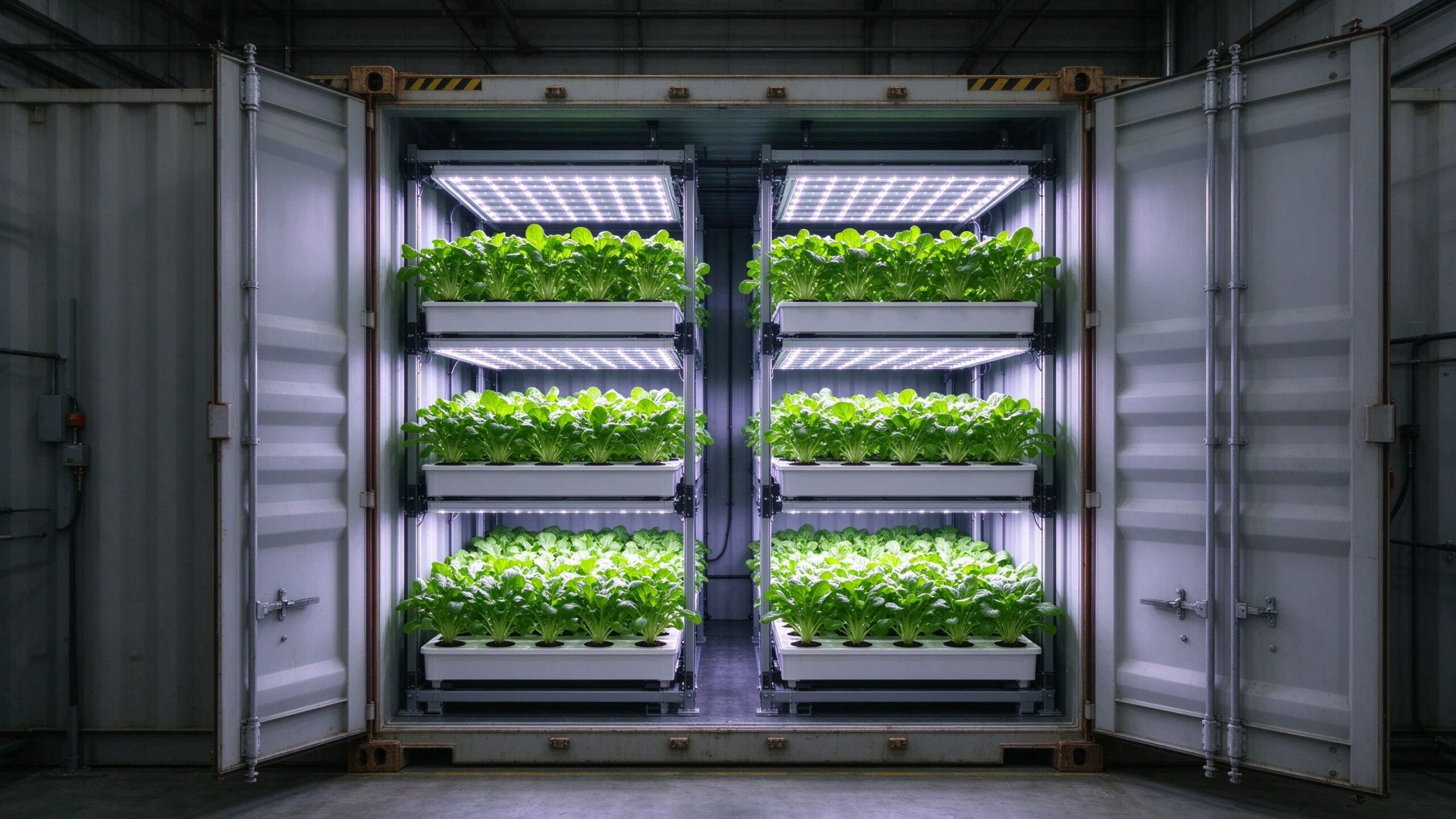
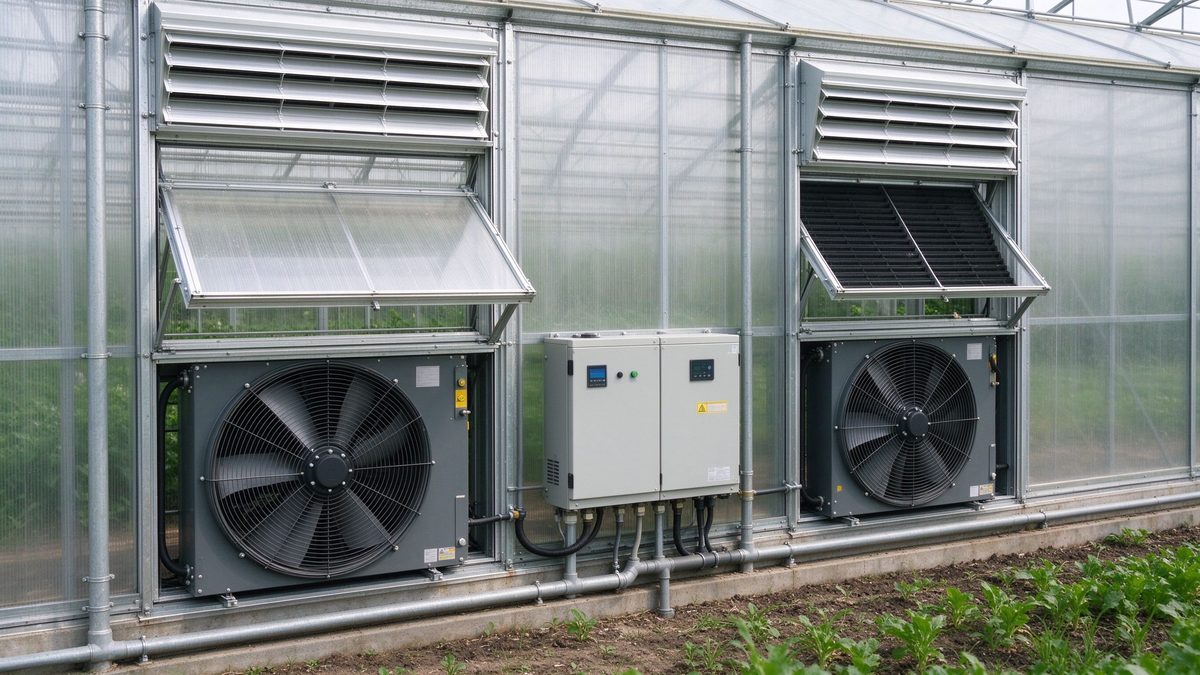
Energy and Water Efficiency Pathways for Greenhouse Operations
Two Inputs That Decide Profitability Energy and water are the two largest variable costs after labour in most greenhouse businesses, and they are also the two inputs where improvement is most reliably achievable. A systematic review of eighty technologies across energy, carbon dioxide, envelope, hardware, water, and process categories found energy intensity reductions ranging from…
-
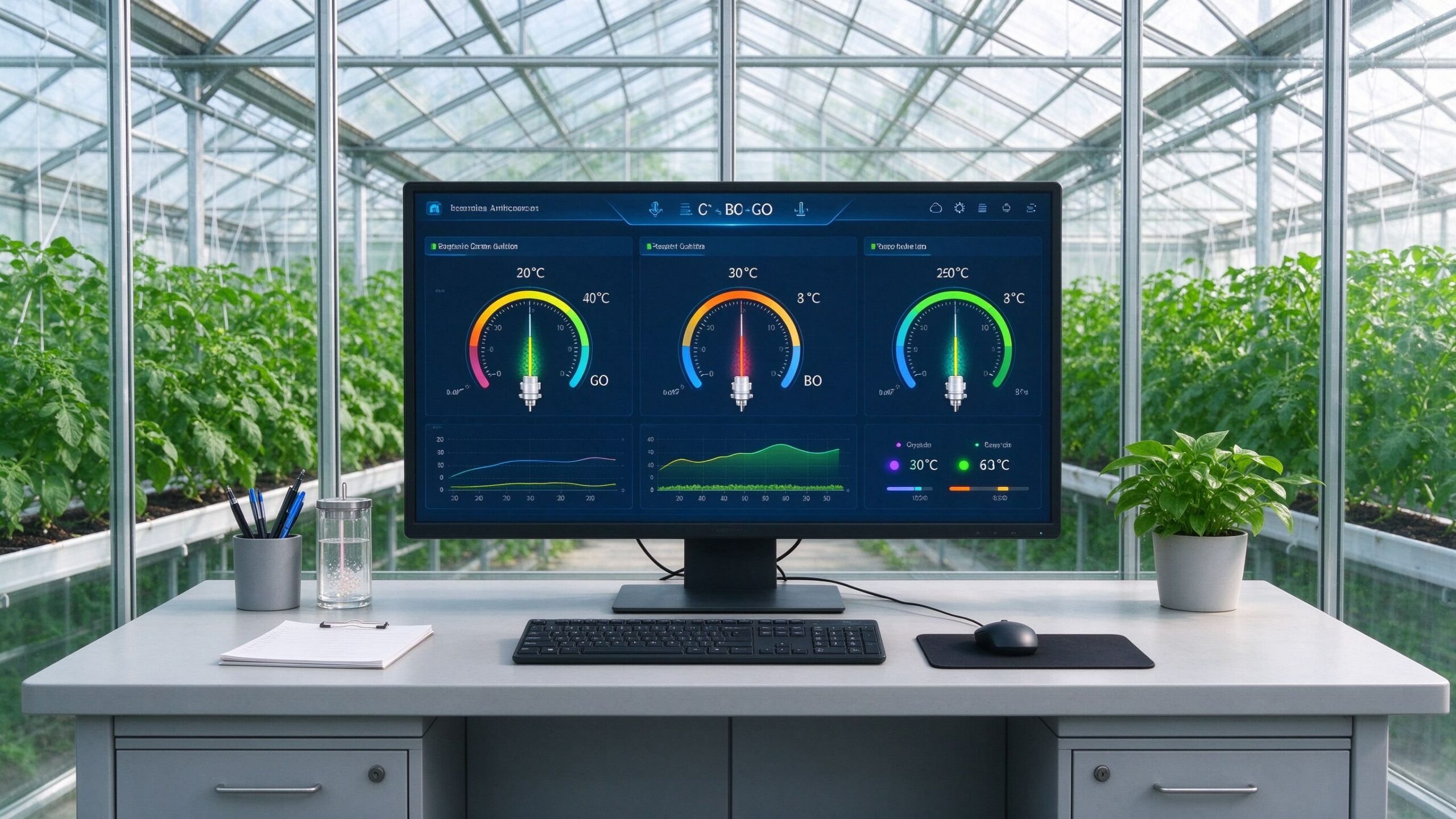
Dynamic LED Lighting Strategies for Greenhouse Crops
The Limits of Static Lighting Supplemental lighting was once simple: switch the lamps on for a fixed photoperiod and accept whatever intensity the fixture delivered. Research has since shown that static schedules waste energy. Plants do not photosynthesise at a constant rate through the day, and a fixed intensity over-delivers at some hours and under-delivers…
-
Artificial Intelligence and Data-Driven Cultivation in Modern Greenhouses
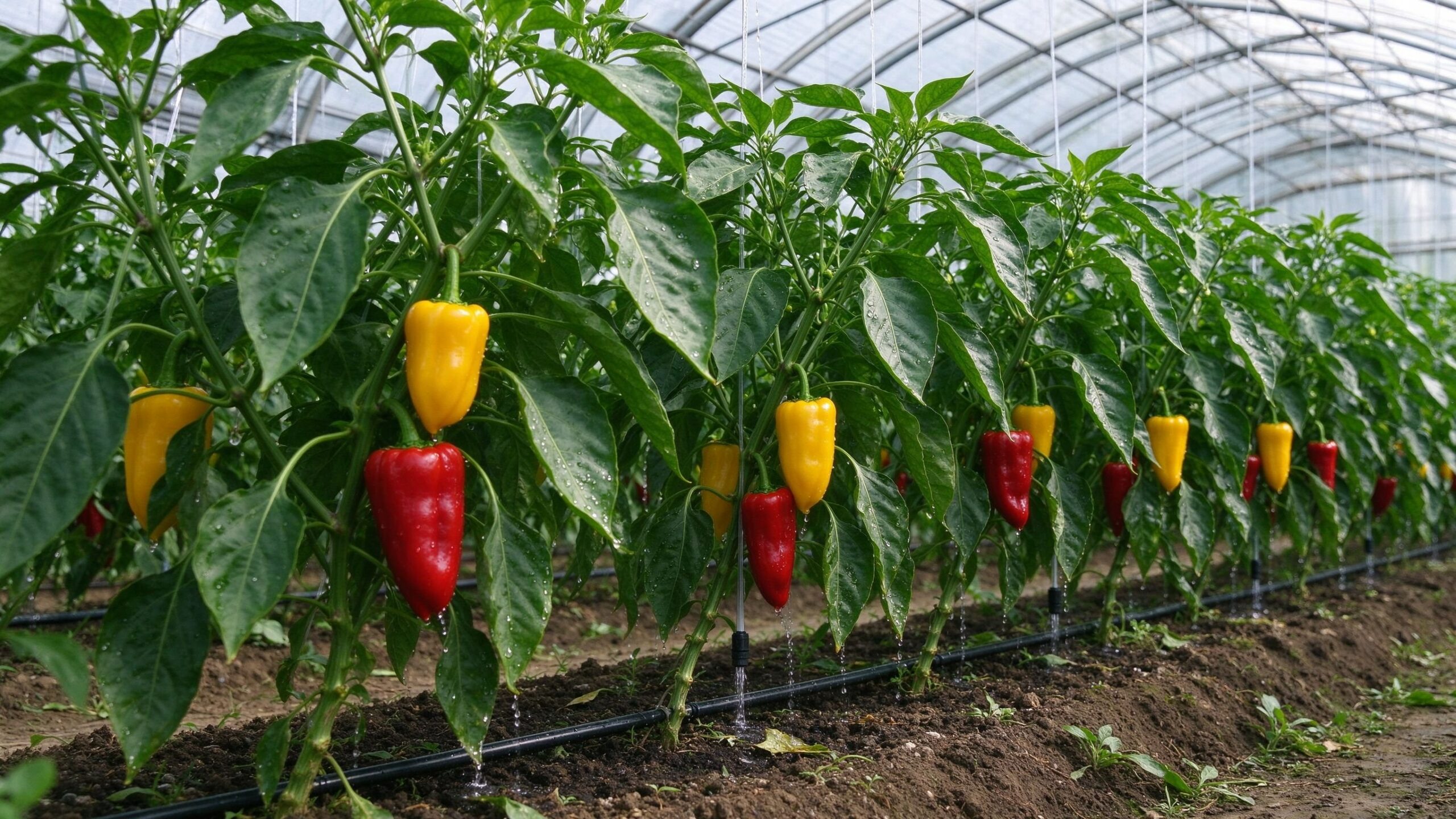
From Fixed Setpoints to Responsive Growing The first generation of greenhouse automation treated climate as a set of fixed targets: vent at twenty-four degrees, heat at eighteen, irrigate at noon. That approach works, but it ignores the fact that the plant itself is the most complex component in the system. Crop demand changes by the…
-
Controlled Environment Agriculture: Market Growth and Investment Outlook
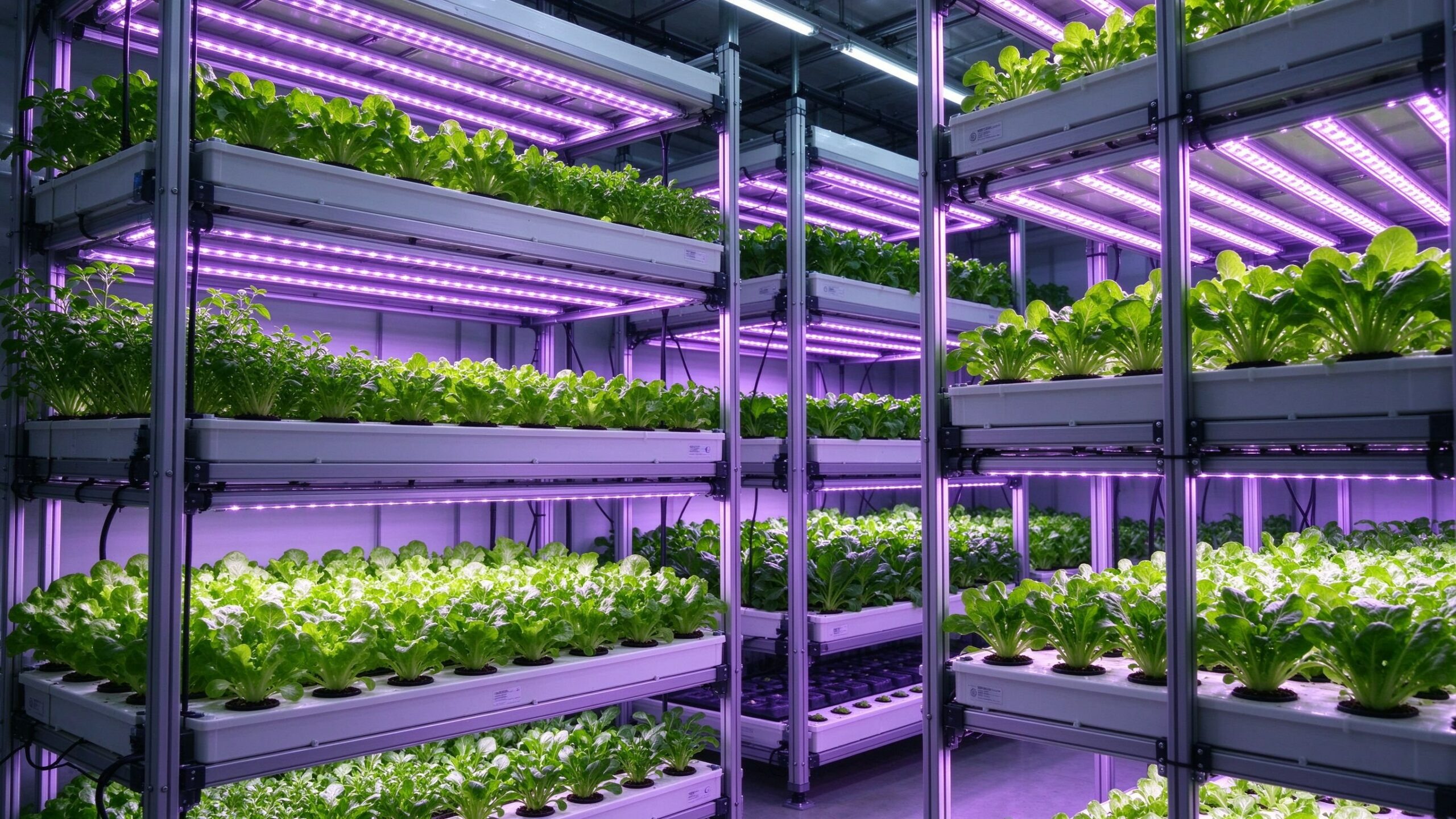
A Rapidly Expanding Industry Controlled environment agriculture has moved from a niche technology into a major segment of global horticulture. Industry analysts estimate the market will grow from roughly ninety billion US dollars in 2026 toward one hundred forty billion by 2031, an annual growth rate near ten percent. The drivers are familiar to every…