
BROWSE THE JOURNAL
News
-
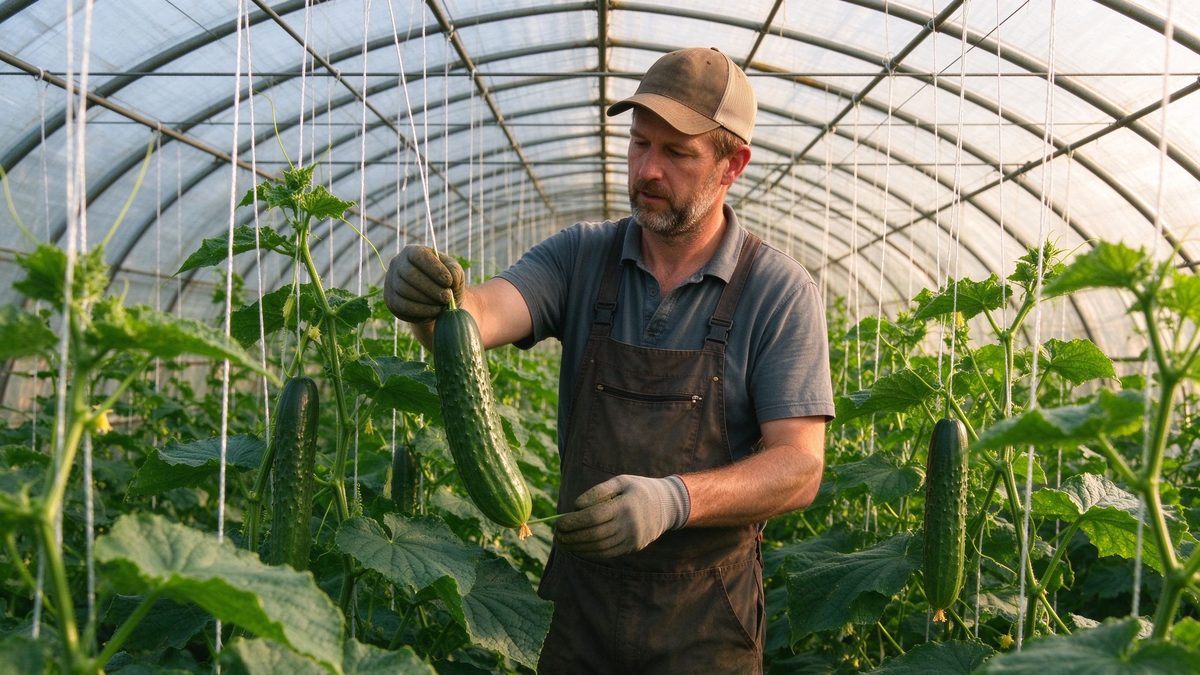
Greenhouse Production on Desert and Non-Arable Land
Growing Where Nothing Grows Large areas of the world cannot support field agriculture: desert, gravel plains, saline coastal flats, and degraded industrial land. Protected cultivation can use these areas productively because the growing environment is constructed rather than inherited. Regions including the Gulf states, North Africa, Central Asia, and parts of western China have built…
-
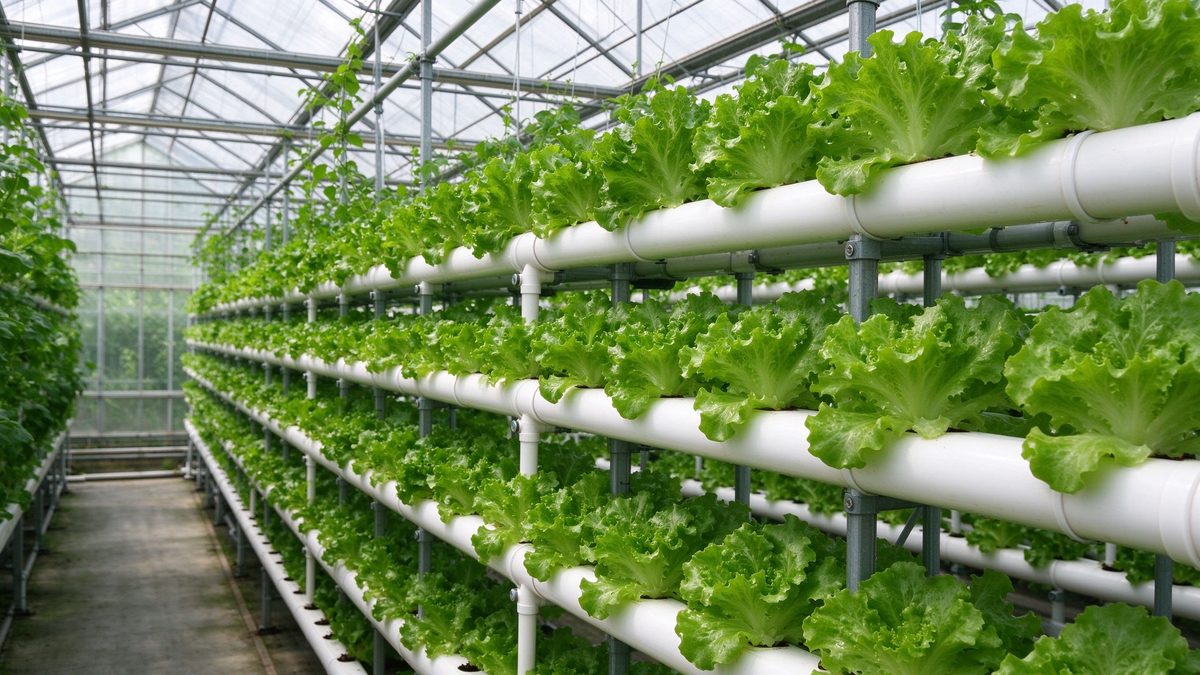
Food Safety Certification and Market Access for Greenhouse Produce
Certification as a Commercial Requirement Wholesale buyers, particularly supermarket chains and food service groups, increasingly require documented food safety management rather than verbal assurance. Certification schemes translate good practice into auditable evidence. GLOBALG.A.P. is the most widely recognised scheme for fresh produce, covering integrated farm assurance from propagation through harvest and handling. Retailer-specific standards and…
-
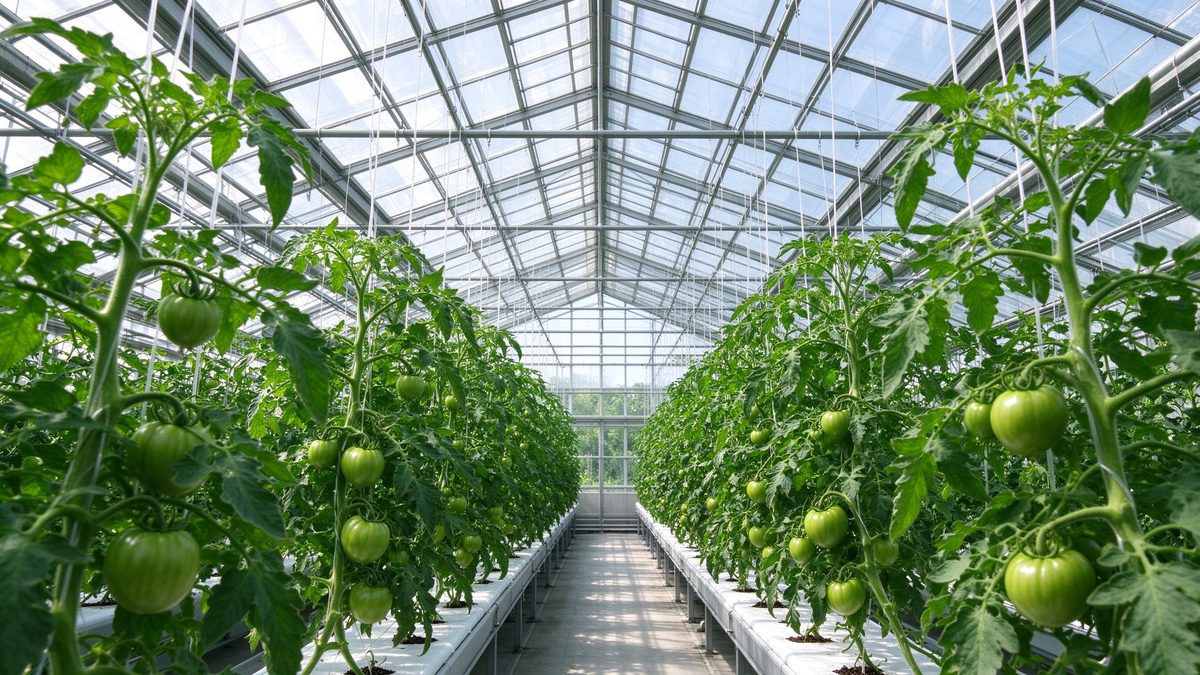
Urban and Peri-Urban Greenhouses: Localizing Fresh Produce
The Case for Proximity Urban and peri-urban greenhouses place production close to the consumers who eat the produce. The immediate benefits are logistical: shorter transport, fresher product, lower spoilage, and the ability to harvest to order rather than to forecast. The model also changes the relationship with buyers. Restaurants, retailers, and community groups near the…
-
Cybersecurity and Data Integrity in Connected Greenhouses
The New Attack Surface A modern greenhouse is a network. Climate computers, irrigation controllers, lighting, energy meters, cameras, and labour terminals all connect, often to cloud platforms and remote support services. Each connection is a potential entry point. The risk is not hypothetical. Horticultural businesses have experienced ransomware that locked production records, and compromised remote…
-
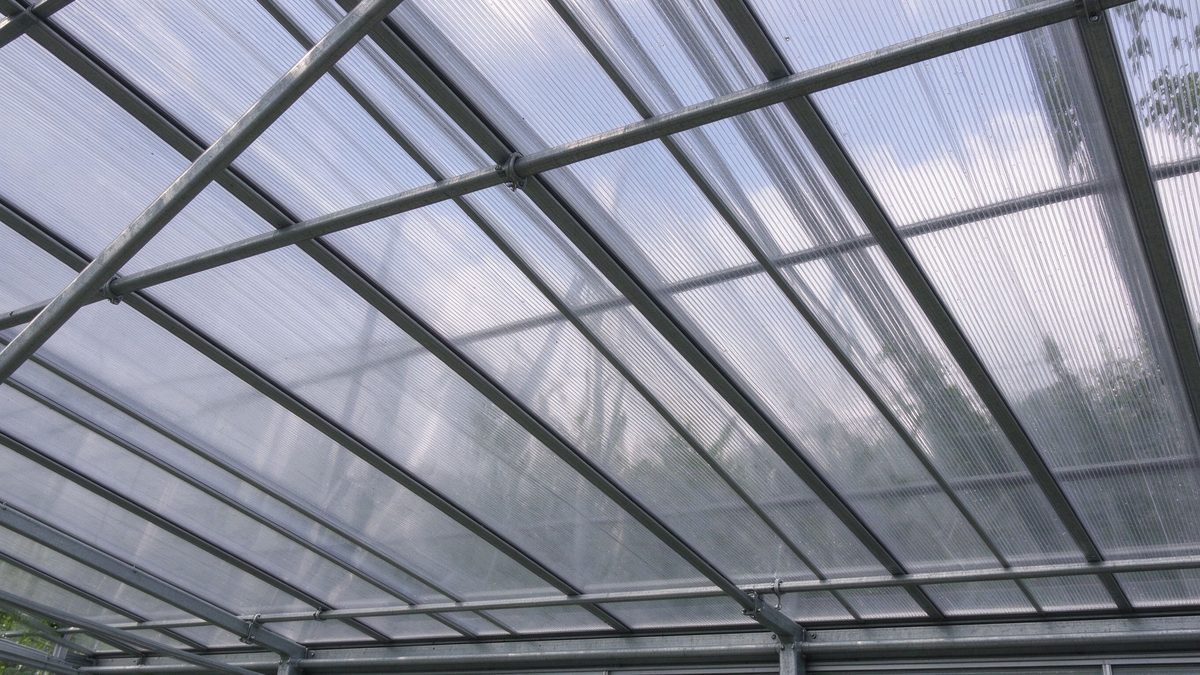
Variable Frequency Drives and Precision Irrigation Control
Why Pump Control Matters Irrigation pumps in most greenhouses are either on or off. That binary behaviour creates pressure spikes, uneven emitter flow, and wasted energy. A variable frequency drive adjusts motor speed continuously, matching pump output to actual demand. The energy saving is substantial: pump power varies approximately with the cube of speed, so…
-
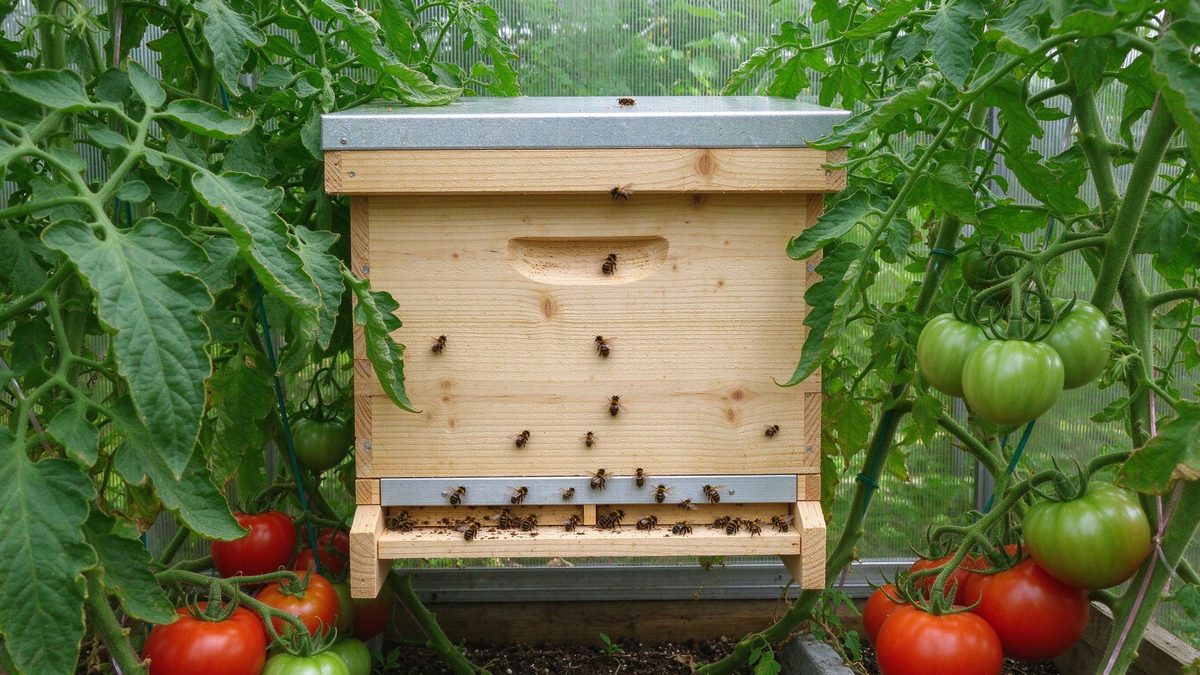
Thermal Screens and Climate Curtain Programming
What Screens Do A thermal screen is a horizontal fabric layer inside the greenhouse roof that reduces radiative heat loss at night and lowers the roof-to-crop temperature difference. The same fabric can provide shading during the day, making it a dual-purpose asset. Energy savings from well-programmed screens typically range from twenty to forty percent in…
-
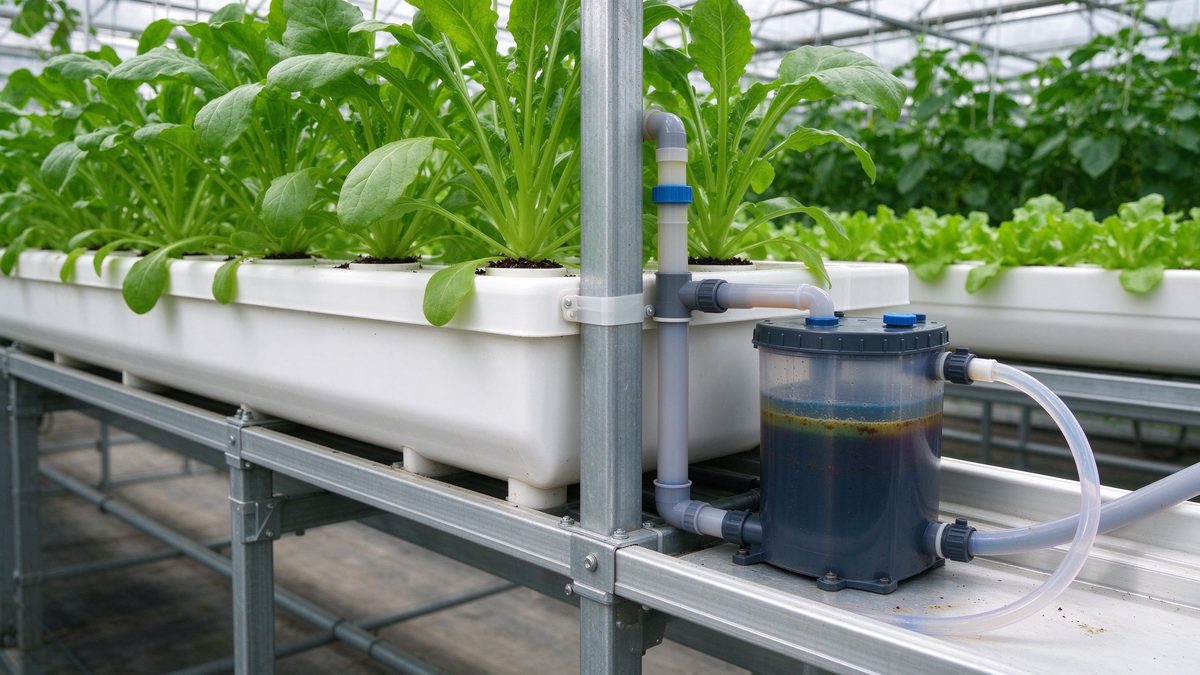
Soil Solarization and Biofumigation in Greenhouse Crop Cycles
Heat as a Treatment Soil solarization uses solar energy to heat moist soil under clear plastic film to temperatures that inactivate pathogens, nematodes, and weed seeds. In greenhouses, the enclosed structure raises temperatures further, making the method more effective than in open field. The technique fits naturally into the fallow period between crops. Soil is…
-
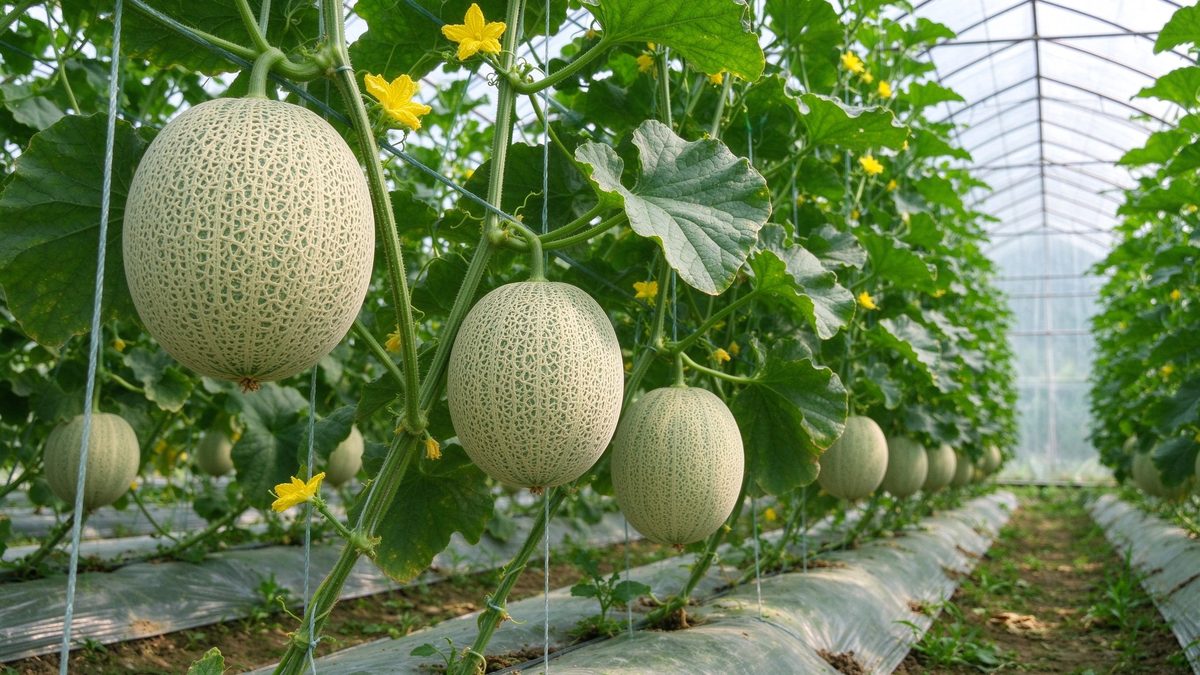
Watermelon Grafting on Squash Rootstocks: Practice and Benefits
Why Watermelon Is Grafted Watermelon is the most widely grafted cucurbit worldwide. Fusarium wilt devastates susceptible varieties in continuous cropping, and soil fumigation is increasingly restricted. Grafting onto resistant rootstocks solves the disease problem and delivers vigour benefits that raise yield. Interspecific hybrid squash rootstocks, crosses of Cucurbita maxima and Cucurbita moschata, are the standard…
-
Pepper Grafting and the Management of Soil Fatigue
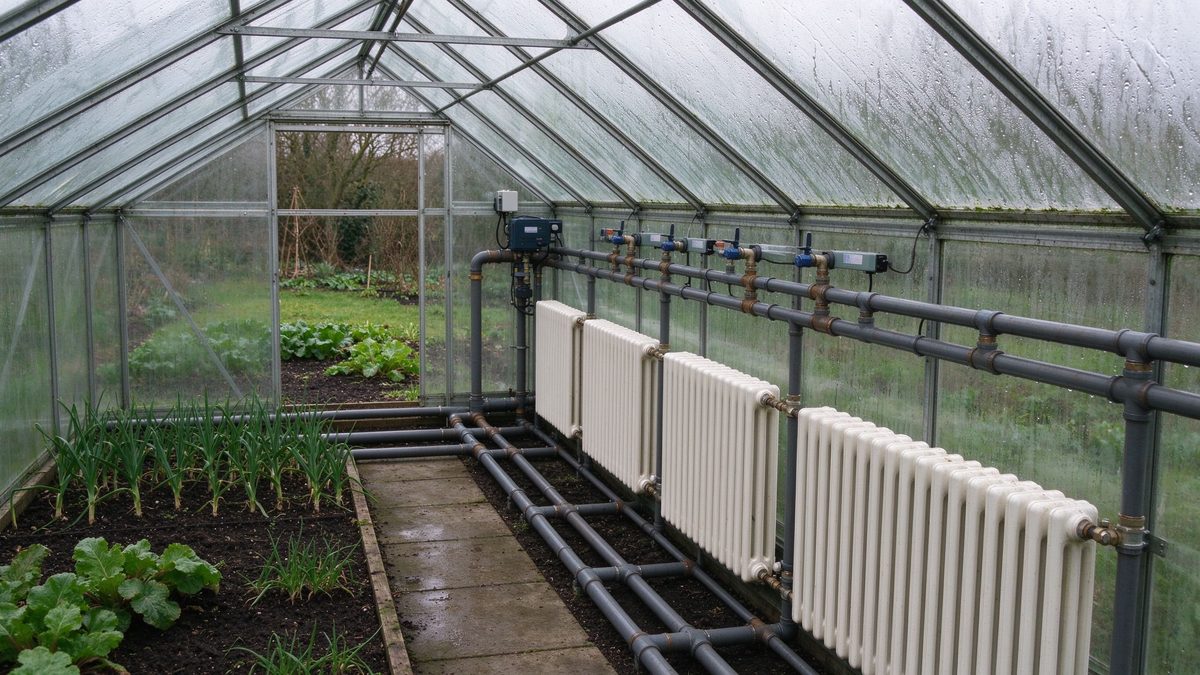
Soil Fatigue in Continuous Pepper Cropping Pepper growers who crop the same soil season after season notice a pattern: yields decline gradually, plants establish less vigorously, and disease appears earlier each cycle. This syndrome is usually called soil fatigue, and it combines pathogen accumulation with physical and chemical degradation. Specific pathogens include Phytophthora capsici, Verticillium…
-
Strawberry Substrate Culture in Greenhouses
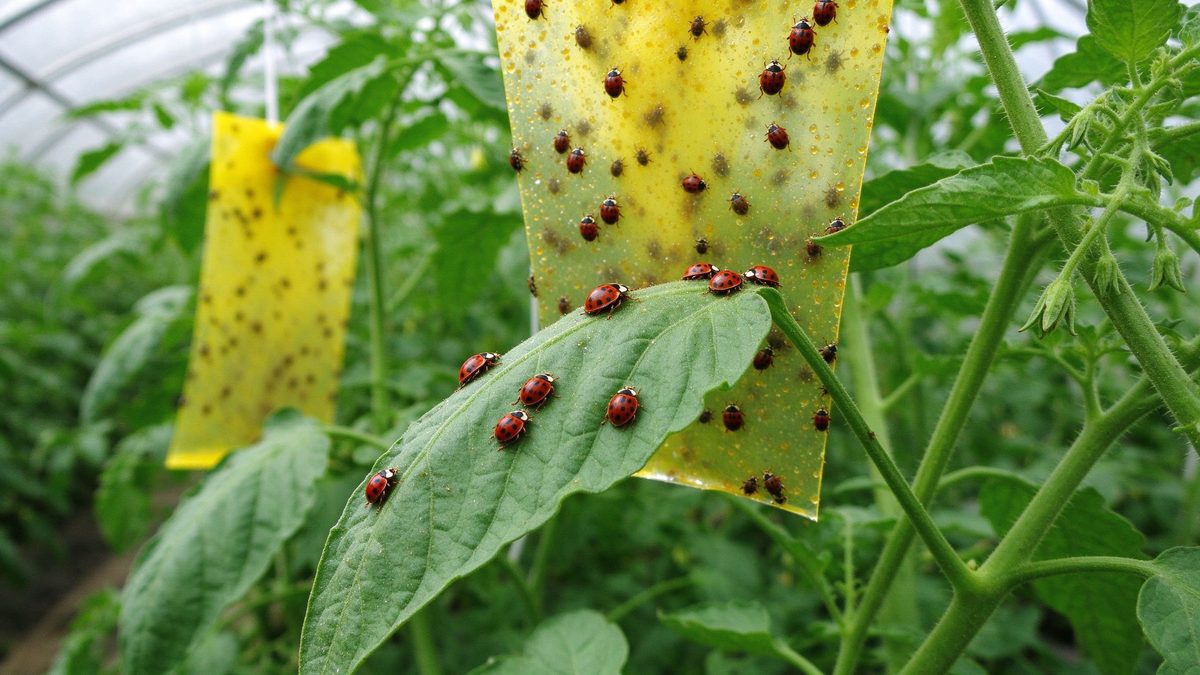
Why Substrate Beats Soil Indoors Strawberries grown in soil inside a greenhouse present a set of problems: soil-borne disease accumulates, drainage is difficult to control, and harvesting requires bending that limits labour productivity. Substrate culture addresses all three at once. Plants are grown in troughs or bags filled with coco coir, peat blends, or rockwool,…