
BROWSE THE JOURNAL
News
-
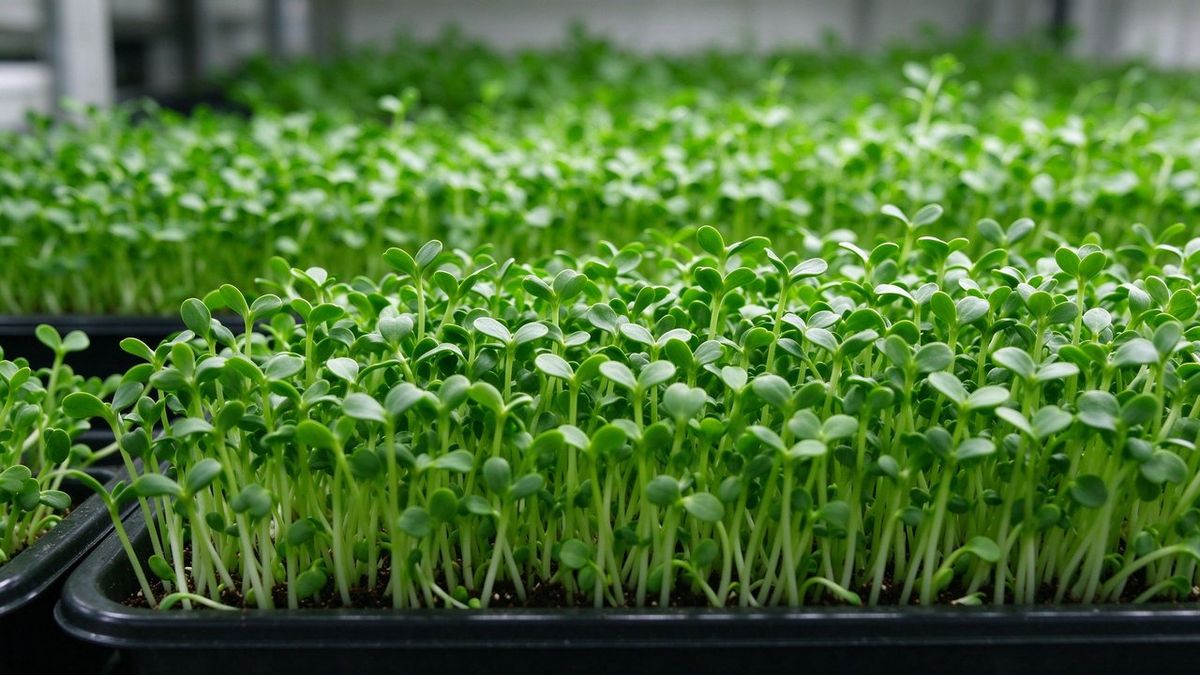
Arugula and Mizuna for Protected Greenhouse Production
Arugula (Eruca sativa) and mizuna (Brassica rapa nipposinica) are fast-maturing salad greens that deliver sharp, peppery or mustard-like flavor on 20 to 30 day cycles. Both are brassicas, so they share the same cultural demands as other protected greens: cool temperatures, steady calcium, and careful ventilation to prevent tipburn and downy mildew. Arugula bolts quickly…
-
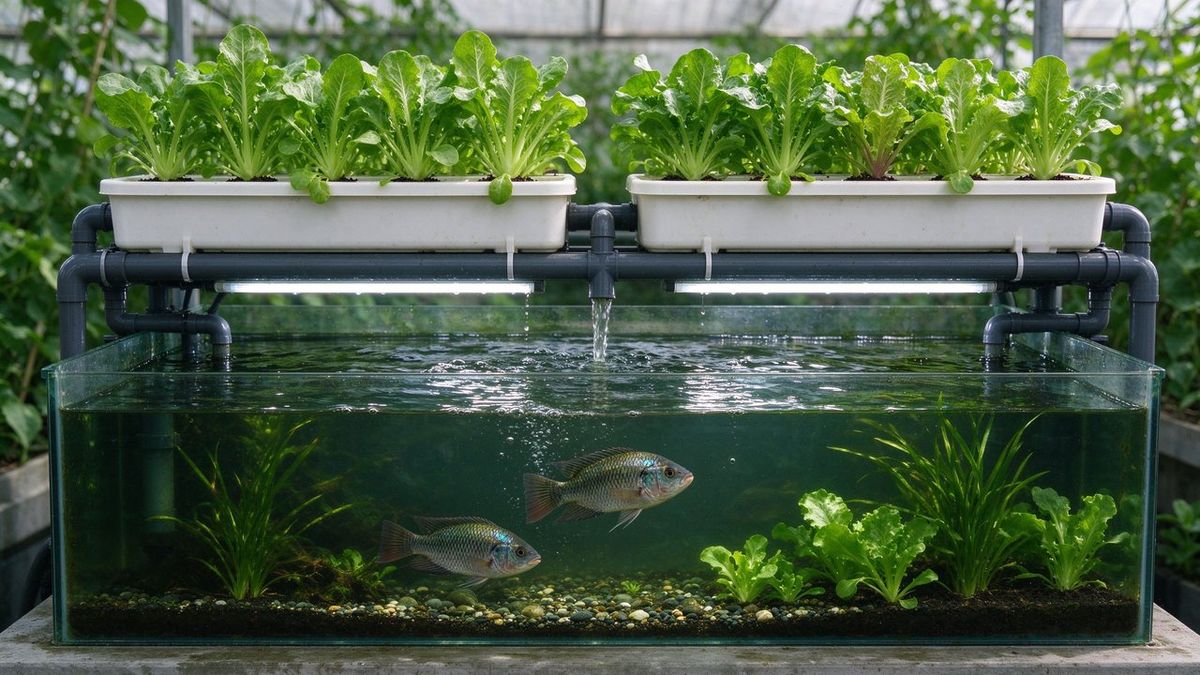
Watercress Production in Recirculating Greenhouse Systems
Watercress (Nasturtium officinale) is an aquatic brassica grown for its peppery, tender stems and leaves, and it thrives where a shallow, oxygenated flow of cool water crosses a gravel or raft bed. In a greenhouse, watercress is usually grown in recirculating channels 10 to 15 centimeters deep, held at 14 to 18 degrees Celsius, on…
-
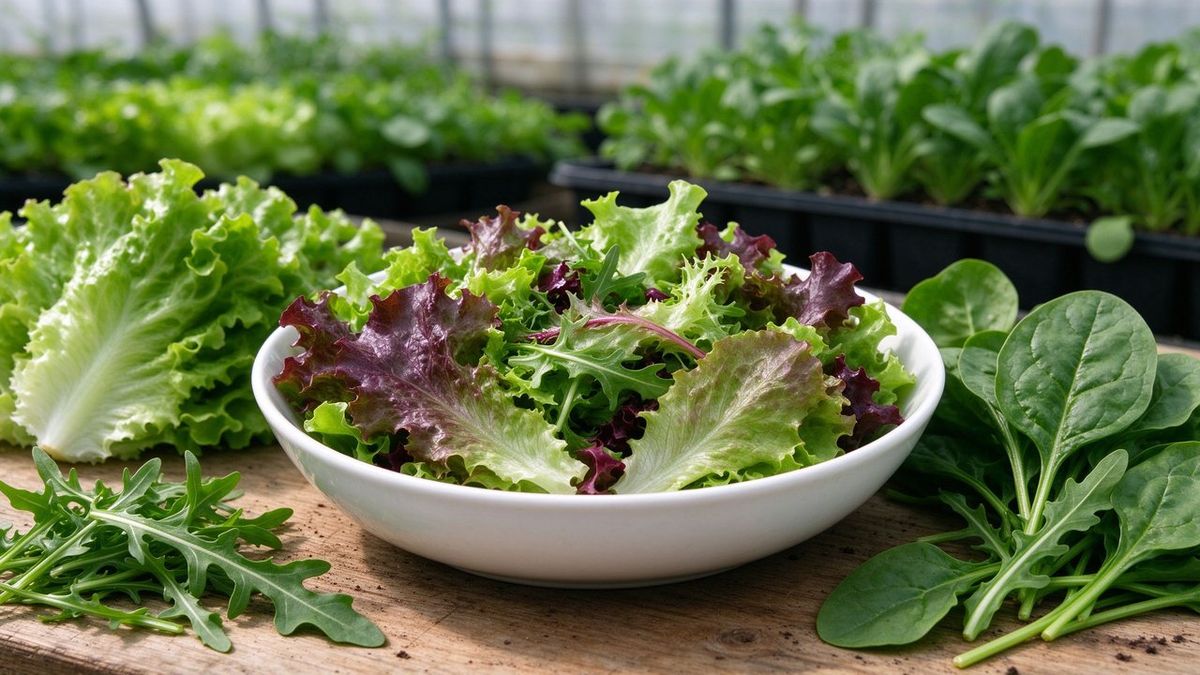
Pak Choi and Bok Choy Greenhouse Growing Guide
Pak choi, bok choy, and their cousins in the Brassica rapa chinensis group are short-cycle leafy vegetables prized for thick, succulent petioles and mild flavor. A greenhouse crop matures in 25 to 35 days, which means a 1000 square meter house can deliver 12 to 14 cuts per year. The economic trap is bolting: a…
-
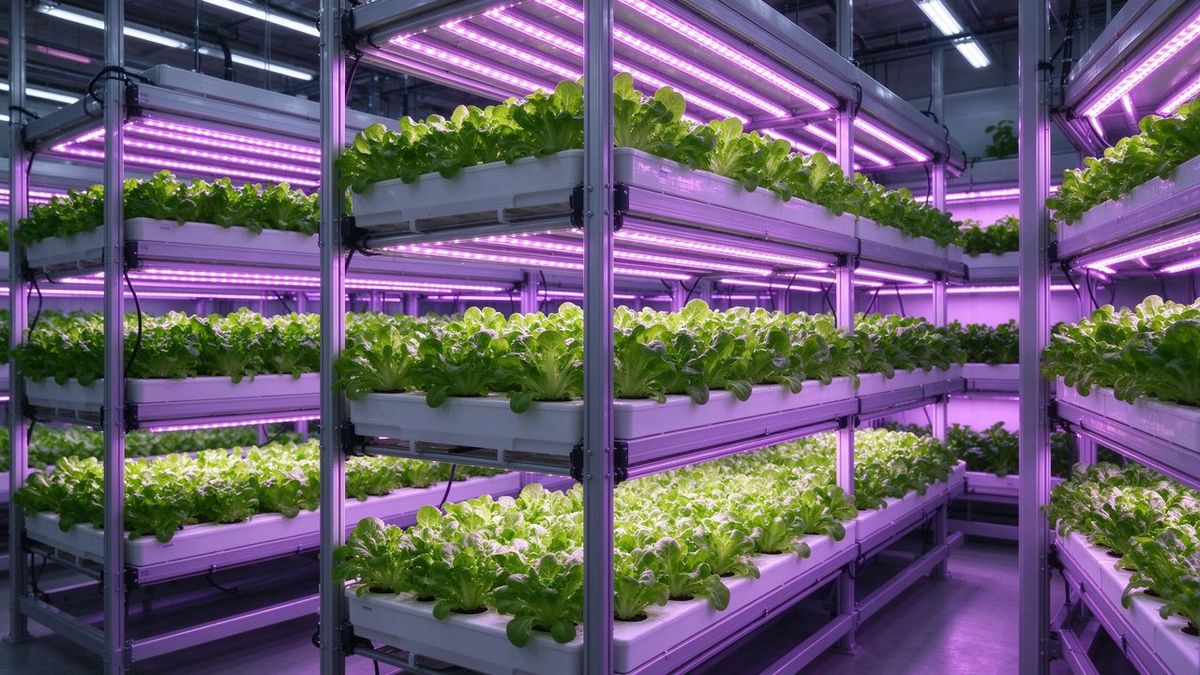
Kale Production in Controlled Environment Agriculture
Kale has moved from a field brassica into a controlled-environment staple because it tolerates low temperatures, resists tipburn far better than lettuce, and delivers dense, nutrient-rich leaves on a 30 to 45 day cycle. In a CEA facility, kale is most often grown as a baby-leaf salad crop on floating rafts or as a full-size…
-
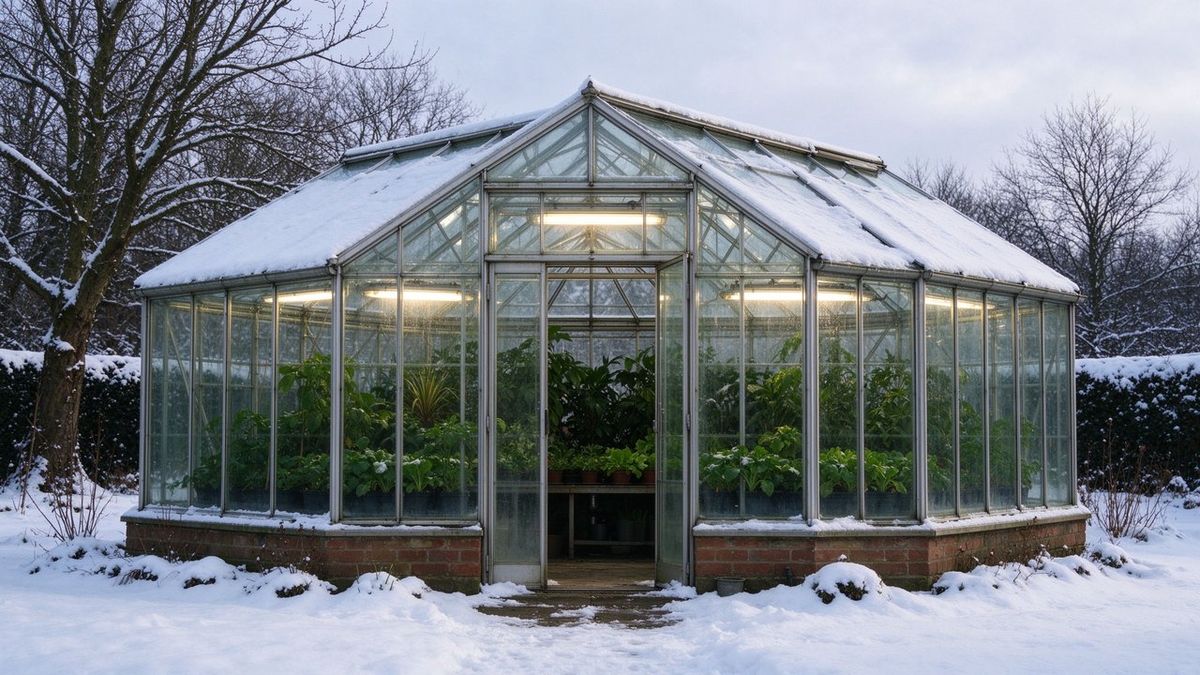
Spinach Cultivation in Cool Season Greenhouses
Spinach is a cool-season leafy vegetable that bolts and turns bitter as soon as day temperatures climb above 24 degrees Celsius, which is why most greenhouse production is scheduled for autumn, winter, and early spring. Modern hybrid spinach varieties are bred for slow-bolting resistance and downy mildew tolerance, but the grower still has to manage…
-
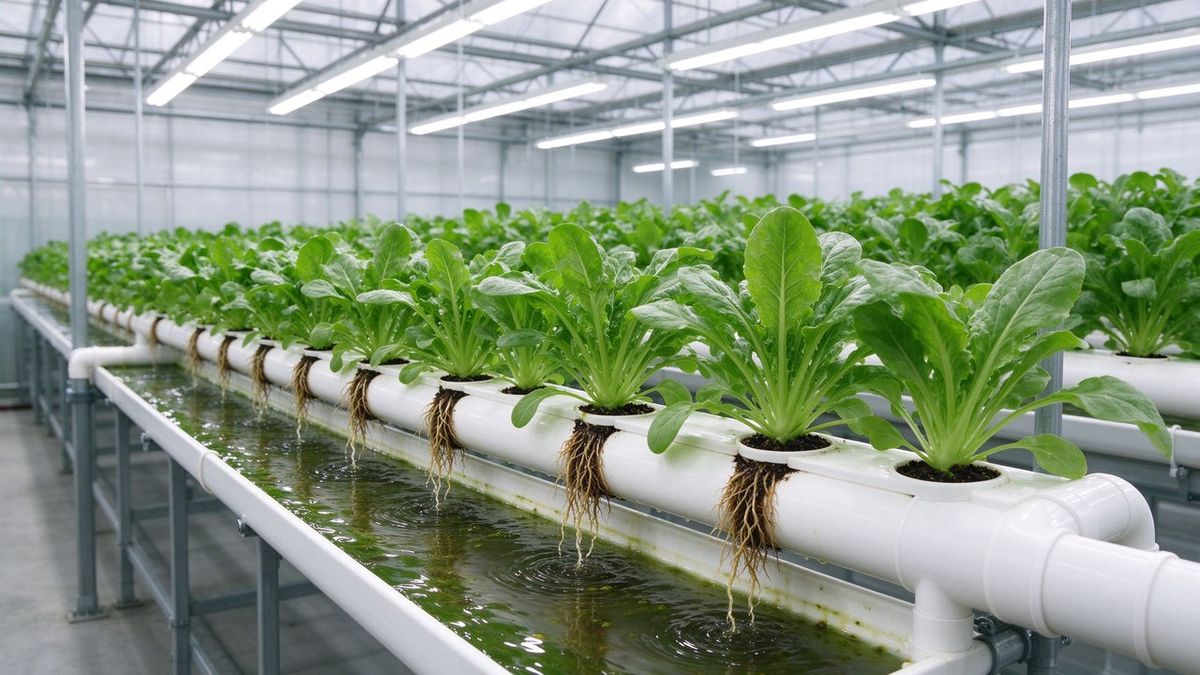
Hydroponic Leafy Greens: Nutrient Film Technique Systems
The Nutrient Film Technique (NFT) is one of the most efficient ways to grow leafy greens in a protected greenhouse because it delivers a shallow, recirculating stream of oxygenated nutrient solution directly to a maturing root mat. Unlike deep-water culture, NFT uses only a thin film, typically 3 to 8 millimeters deep, which forces roots…
-
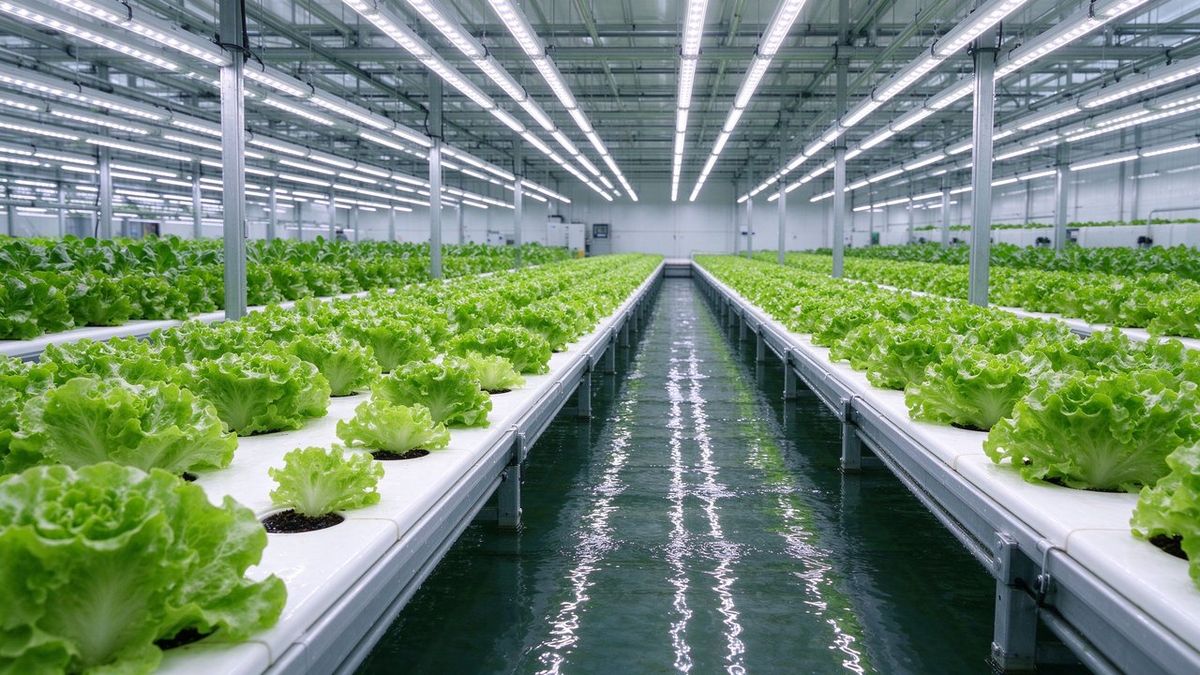
Greenhouse Lettuce Production: Head and Loose-Leaf Types
Lettuce is the fastest-turnover protected crop: head lettuce matures in 55 to 65 days from transplant, and loose-leaf cut-and-come-again types are harvested every 14 to 21 days. It is also the most water- and nutrient-efficient greenhouse crop, producing 20 to 30 kg per square meter per year in NFT or substrate culture. The main challenges…
-
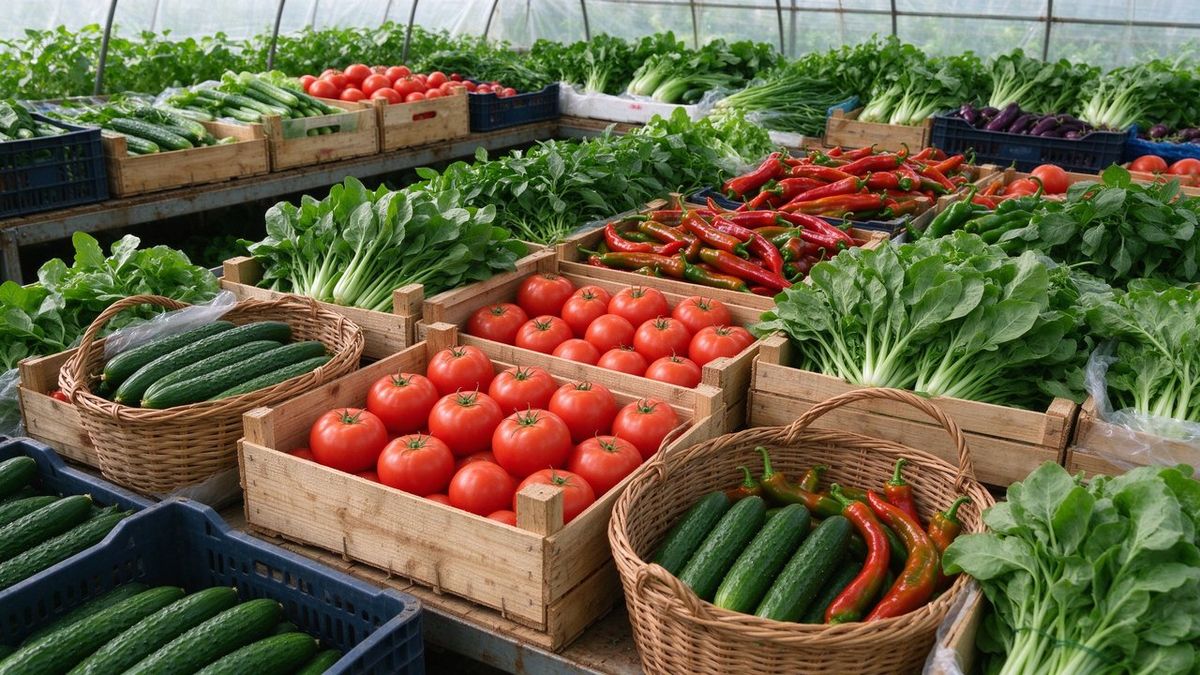
Greenhouse Eggplant Harvest and Storage Tips
Eggplant is a perishable fruit that loses gloss and firmness within days if harvested, cooled, or stored incorrectly. Unlike tomatoes, eggplant does not ripen off the vine, so harvest stage is critical: pick too early and the fruit is small and bitter; too late and it is woody and seedy. This article covers the harvest…
-
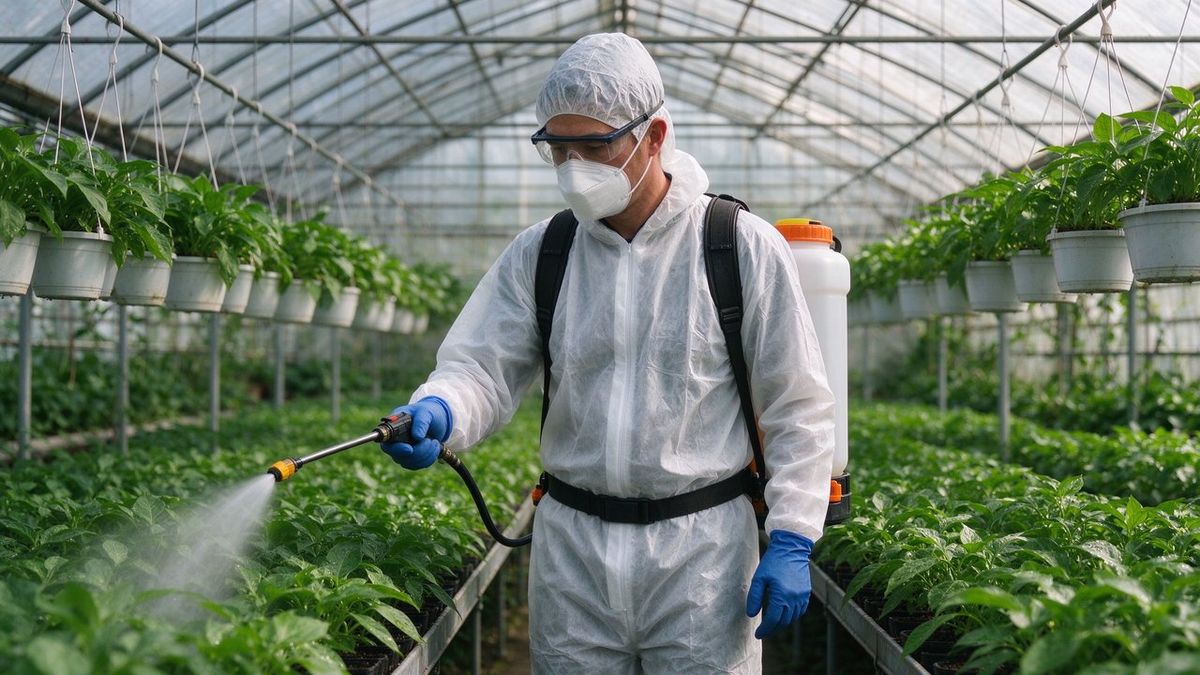
Eggplant Verticillium Wilt Management
Verticillium dahliae is the most destructive soil-borne disease of greenhouse eggplant, causing vascular wilt that can wipe out a block within four to six weeks of first symptoms. The pathogen survives as microsclerotia in soil for 10 to 15 years, penetrates through root wounds, and colonizes the xylem, cutting off water and nutrient flow. Management…
-
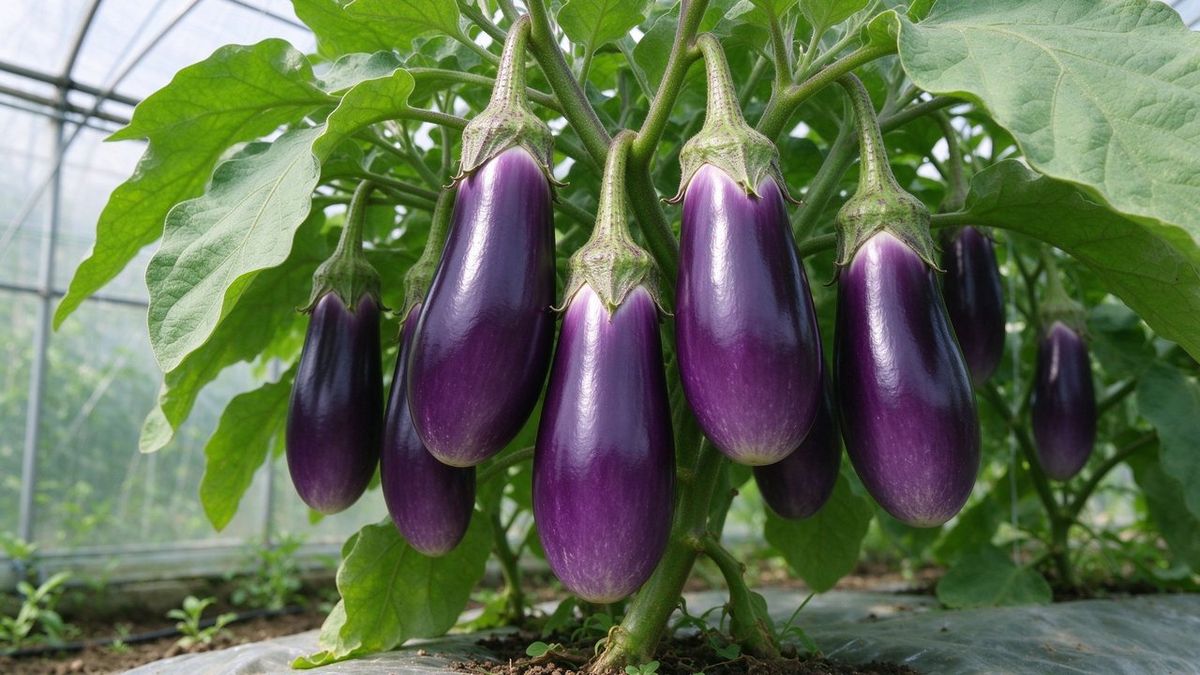
Preventing Eggplant Woodiness and Puffiness
Woodiness and puffiness are the two most damaging internal quality failures in greenhouse eggplant. Woodiness is a hard, stringy flesh texture caused by excess lignification of the placental tissue; puffiness is a hollow, lightweight fruit with a thin flesh wall caused by poor pollination or extreme temperature. Both problems make fruit unmarketable even when the…