
BROWSE THE JOURNAL
winband
-
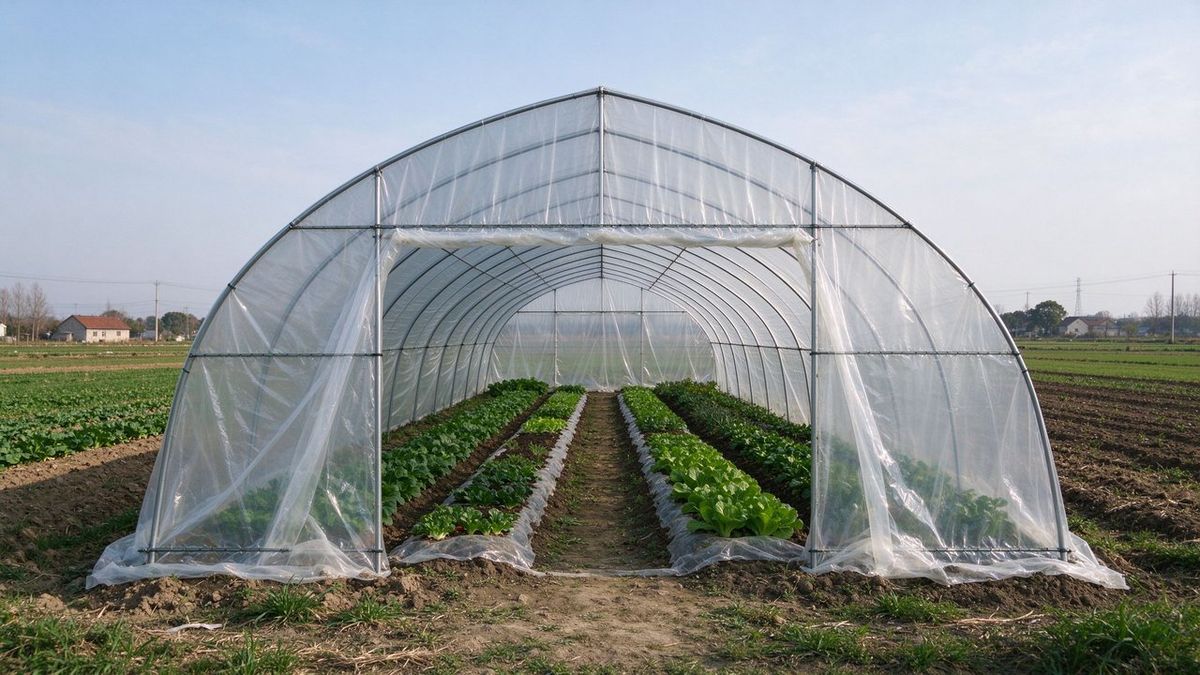
Organic Pepper Production in High Tunnels
Organic bell and chili peppers in high tunnels combine the yield lift of protected culture with the input restrictions of certified organic production. In a hoop-house tunnel the grower trades climate control for longer growing seasons, lower disease pressure, and a 30 to 40 percent price premium from organic buyers. This article covers the fertility…
-
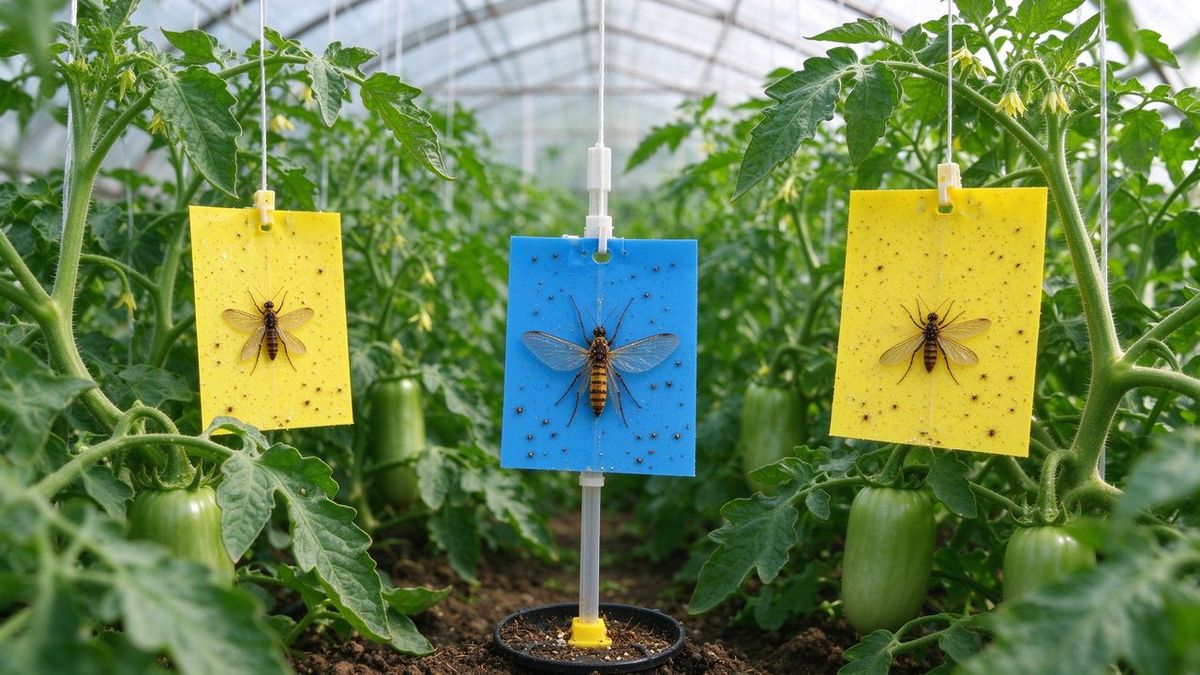
Pepper Western Flower Thrips Control Strategies
Western flower thrips, Frankliniella occidentalis, is the primary insect pest of protected bell peppers worldwide. Adults are 1.2 millimeter long and live 30 to 45 days, each female laying 60 to 100 eggs inside leaf tissue. Damage appears as silvery feeding scars on leaves and dimpled, russeted fruit; the same vector also transmits Tomato Spotted…
-
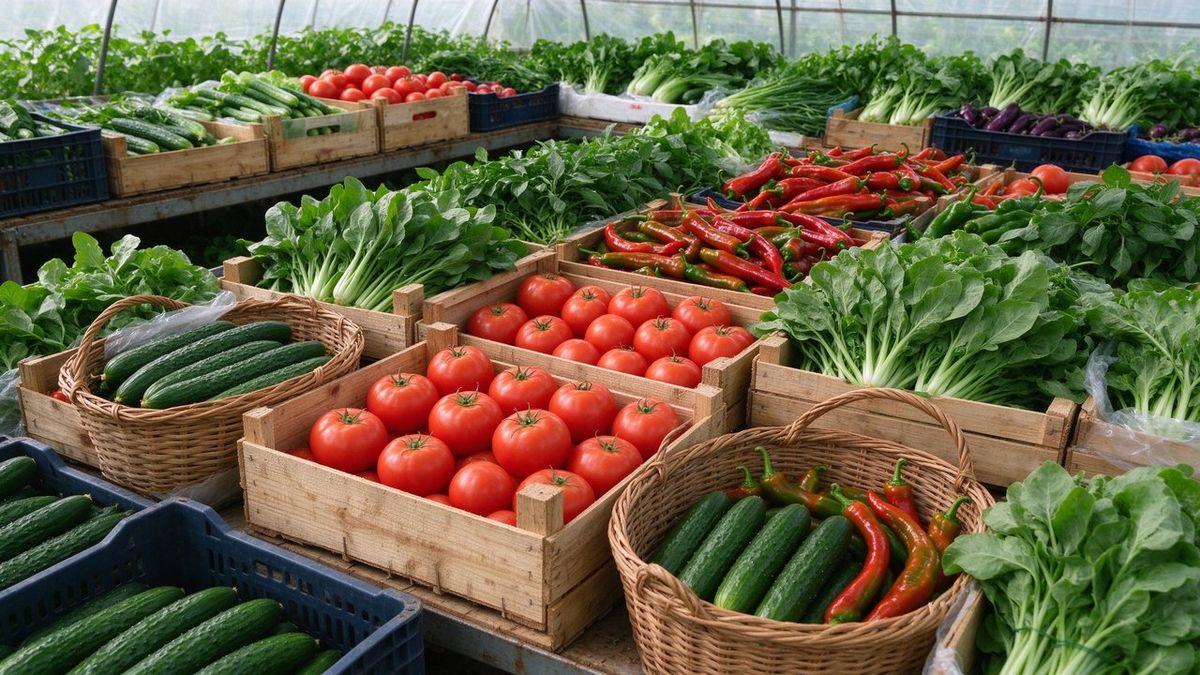
Harvesting and Postharvest Handling of Greenhouse Peppers
Bell peppers harvested at the wrong stage, cooled too slowly, or handled with abrasive gloves lose 5 to 15 percent of their market value within 48 hours. In protected-crop operations the harvest window is narrow: breaker-stage fruit will not reach full red color off the vine, while fully red fruit on the plant loses firmness…
-
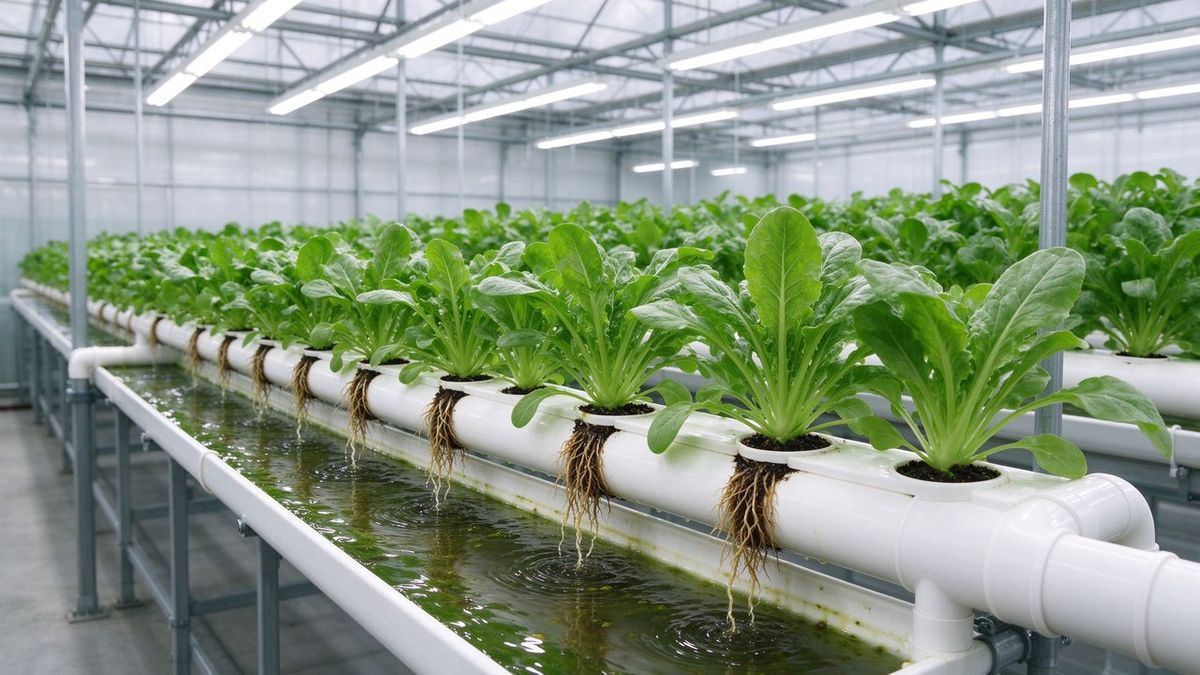
Hydroponic Bell Pepper Production Systems
Hydroponic bell pepper production in protected horticulture delivers fruit of uniform size and color while cutting water use by 40 to 55 percent compared with soil culture. The two dominant commercial systems in China are the coco-coir bag drip system and the recirculating nutrient-film channel system; both require tight control of root-zone temperature, electrical conductivity,…
-
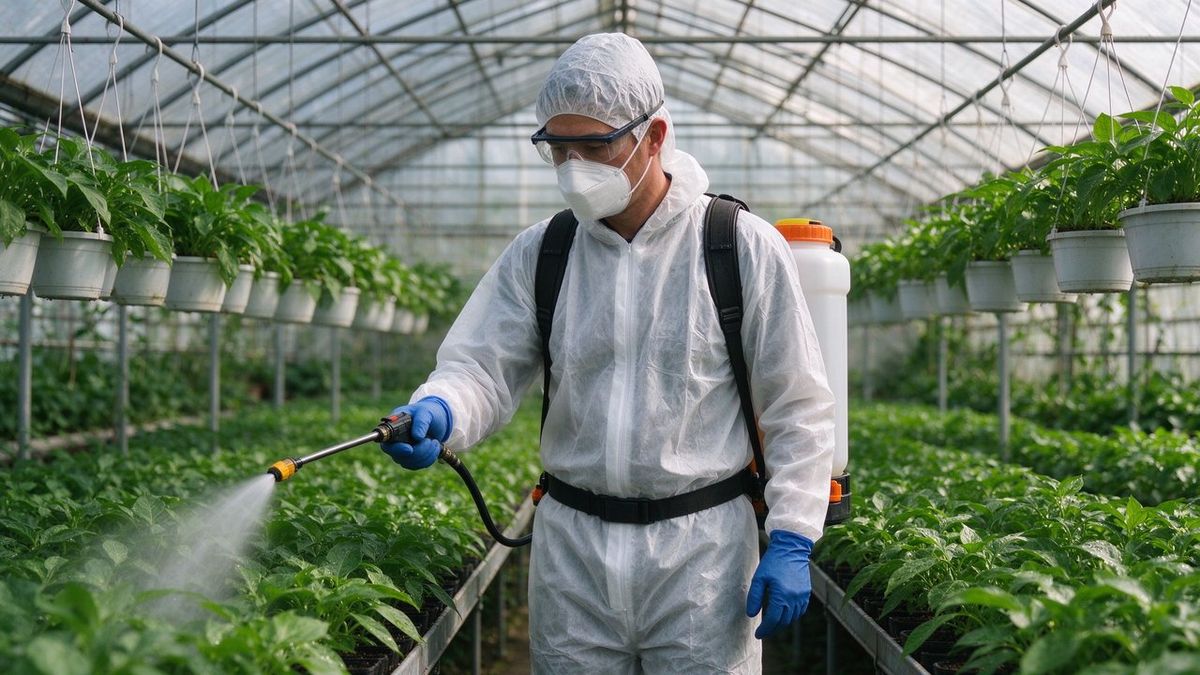
Pepper Bacterial Spot Management in Protected Crops
Bacterial spot, caused by Xanthomonas euvesicatoria and X. vesicatoria, is the most economically damaging foliar disease of greenhouse peppers once relative humidity climbs above 80 percent. Under protected cultivation the pathogen usually arrives on infected transplants or in surface-irrigation water, then spreads through gutters, worker hands, and overhead condensate dripping from roof panels. Management in…
-
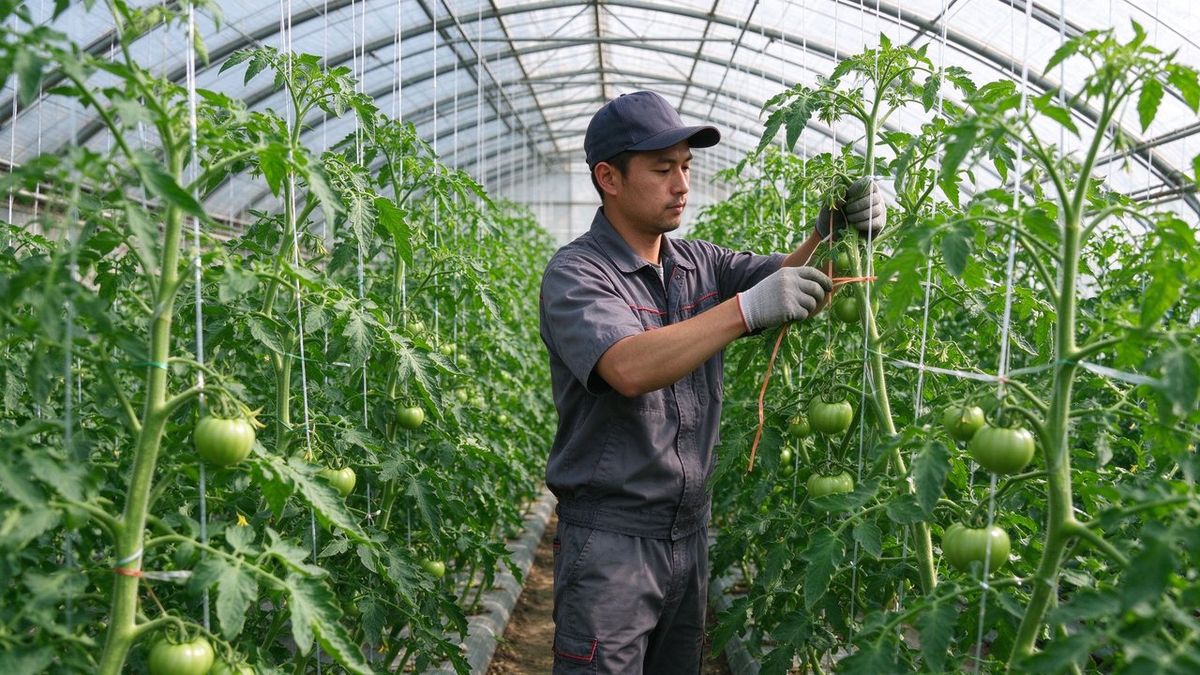
Greenhouse Pepper Pruning and Canopy Management
Bell and chili peppers grown under protected structure form dense, self-shading canopies within eight weeks of transplanting, and without deliberate pruning the leaf-to-fruit ratio swings against marketable yield. Canopy management in the greenhouse is not simply about removing leaves: it is a controlled redistribution of assimilates so that fruit set, fruit expansion, and fruit wall…
-
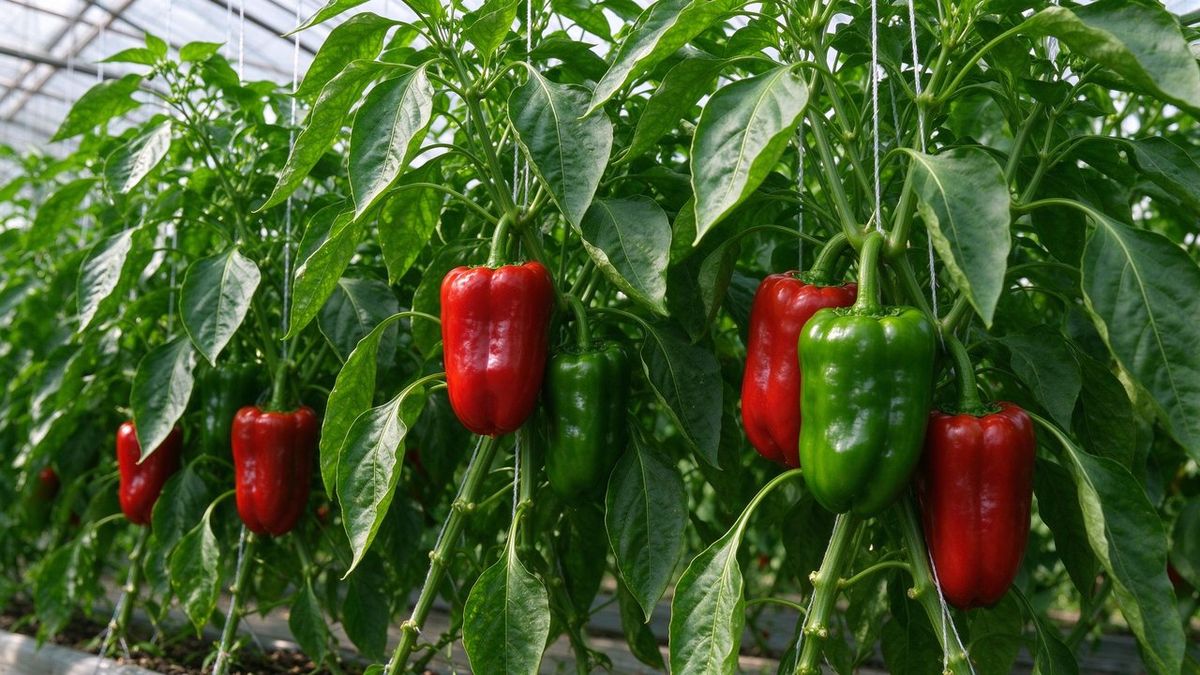
Pepper Nutrient Deficiency Diagnosis in Greenhouses
Pepper nutrient deficiencies show up first on older leaves (mobile nutrients: N, P, K, Mg) or on younger leaves (immobile nutrients: Fe, Mn, Zn, Ca, B). Recognising the pattern, not just the yellowing, is the skill that turns a 2-week correction into a 2-day fix. Diagnosis combines leaf symptoms, drainage analysis, and a quick sap…
-
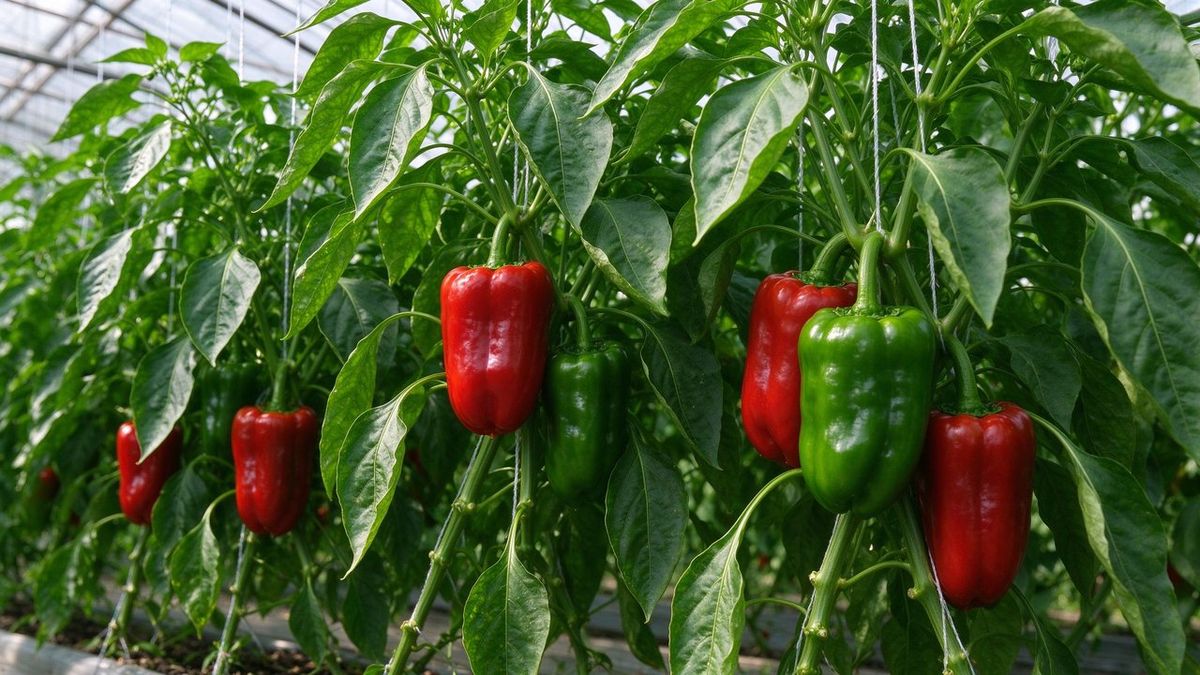
Blossom Drop in Greenhouse Peppers: Causes and Cures
Blossom drop is the premature fall of open pepper flowers before the ovary swells. It is the most visible symptom of a plant under stress, and a single cause is rare: temperature extremes, water stress, nutrient imbalance, pest damage, or poor pollination combine to push flowers off. Diagnosing which factor dominates in a specific block…
-
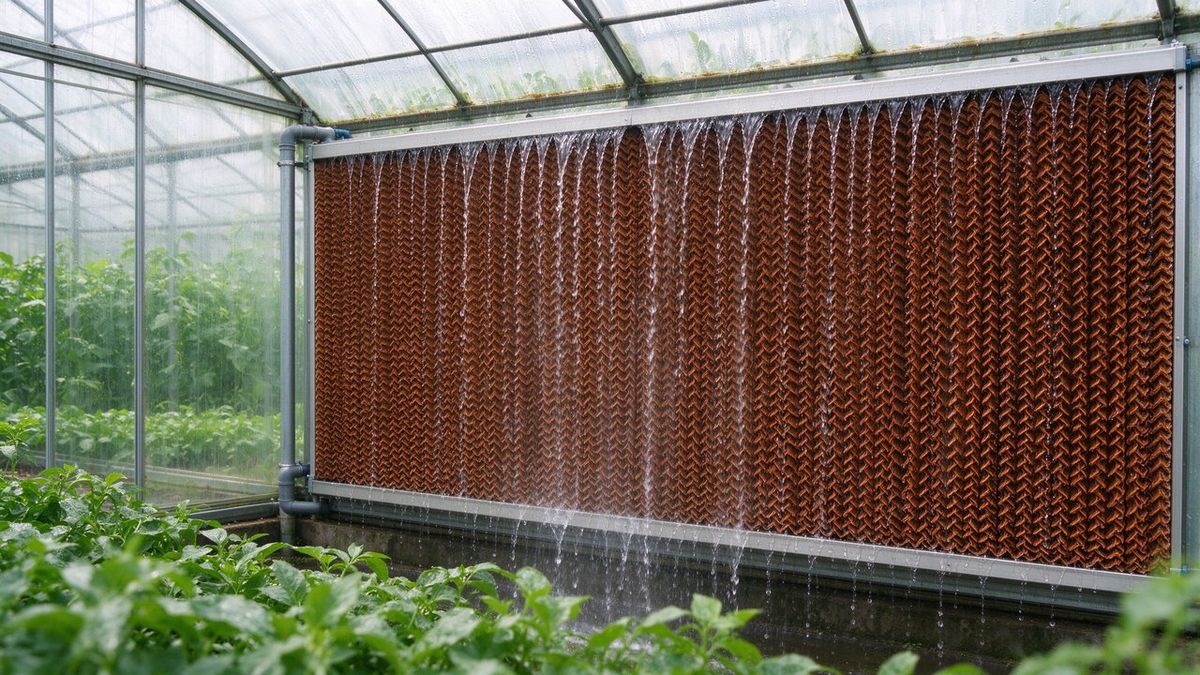
Managing Pepper Fruit Set Under Heat Stress
Pepper fruit set collapses above 30 degrees Celsius: pollen loses viability, flowers abort, and the ovary fails to swell. In summer greenhouse crops, heat stress can cut fruit set by 50 to 70 percent in a single 3-day warm spell. Managing fruit set under heat is a combination of cooling the canopy, timing nutrition, and…
-
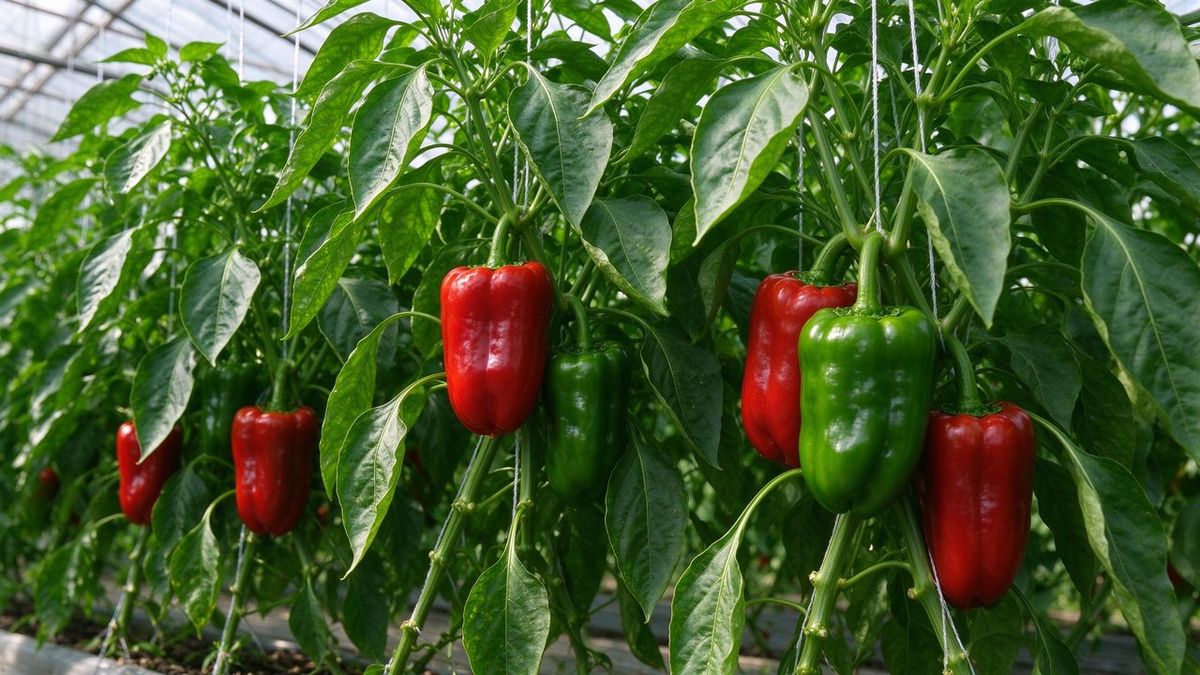
Chili Pepper Production in Controlled Environment Agriculture
Chili and hot pepper (Capsicum annuum, C. frutescens, C. chinense) are high-value, low-volume crops that fit controlled environment agriculture well: high planting density, stacked vertical production, and premium pricing for fresh or dried fruit. Controlled climate lifts pungency, colour, and uniformity, and allows year-round production of cultivars that would not survive outside. The systems differ…