
BROWSE THE JOURNAL
winband
-
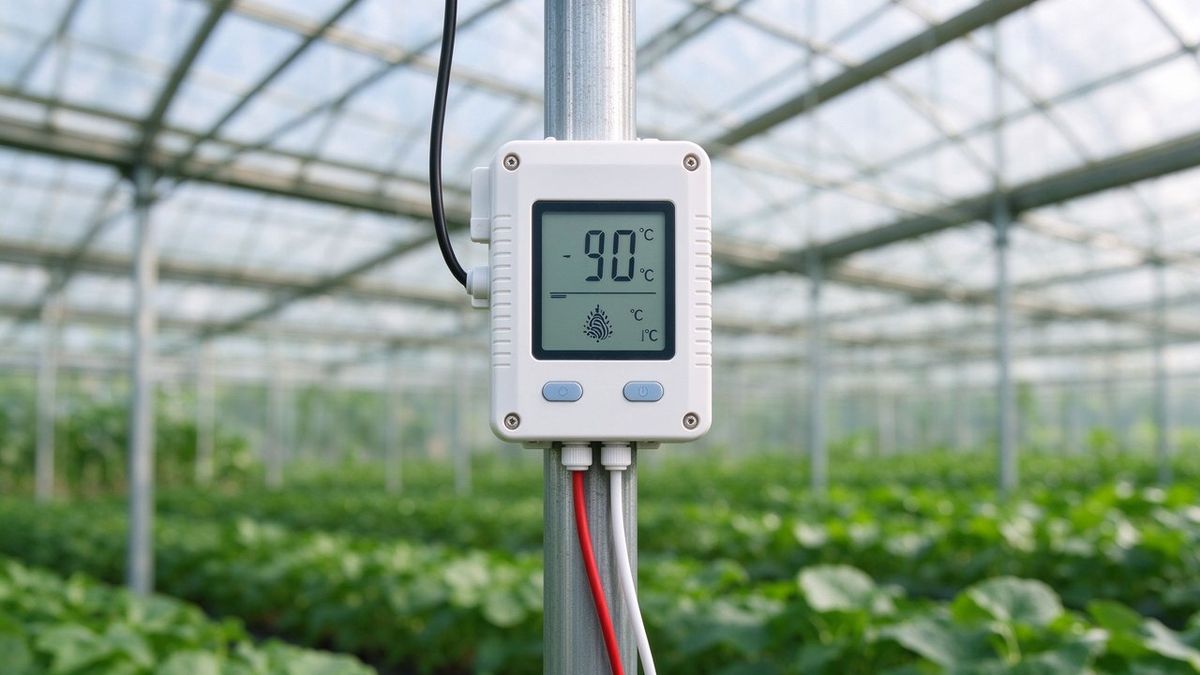
Eggplant Nutrition: Potassium and Magnesium Balance
Eggplant has one of the highest potassium demands of any protected vegetable, and a potassium-to-magnesium imbalance is the most common nutritional disorder in commercial blocks. Symptoms are easy to misread: low potassium causes marginal scorch on older leaves and small, soft fruit; low magnesium causes interveinal chlorosis on older leaves and slow color break. Because…
-
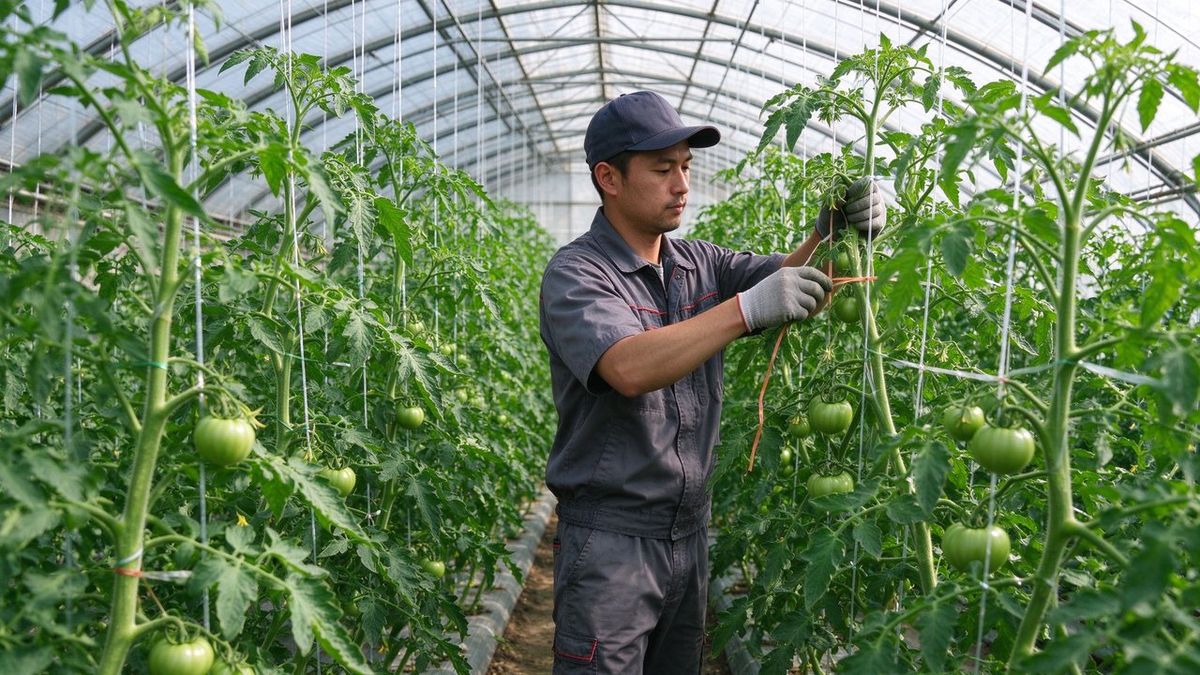
Eggplant Pruning and Canopy Management
Eggplant is a vigorous, indeterminate shrub that, left unpruned, produces 20 to 30 weak stems and a tangle of small, soft fruit. Under protected cultivation, disciplined pruning converts that vigor into 6 to 8 marketable fruit per plant per cycle on a strong, upright stem. This article covers the single-stem and V-training systems, the weekly…
-
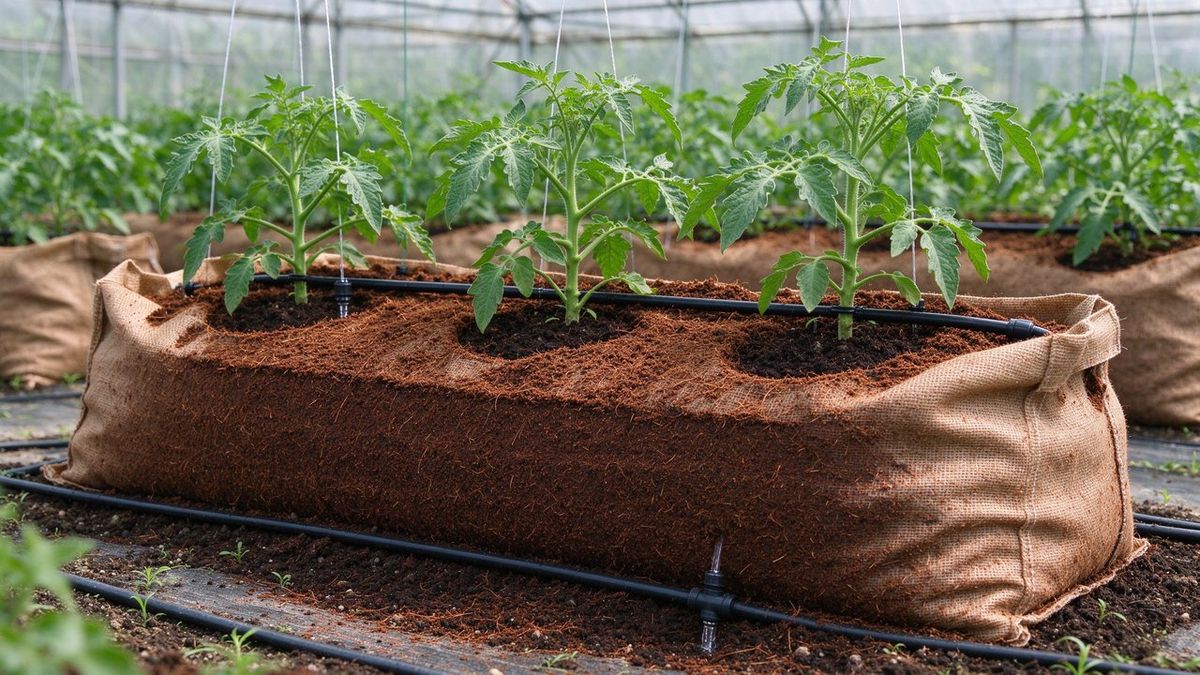
Hydroponic Eggplant Cultivation Techniques
Hydroponic eggplant is a high-density, high-yield production system that delivers 8 to 10 kg per square meter over a ten-month cycle. Unlike soil culture, hydroponic eggplant demands precise control of root-zone temperature, EC, and oxygen; the crop is unforgiving of dosing-pump drift. The two commercial systems are coco-coir bag drip recirculation and the Dutch bato…
-
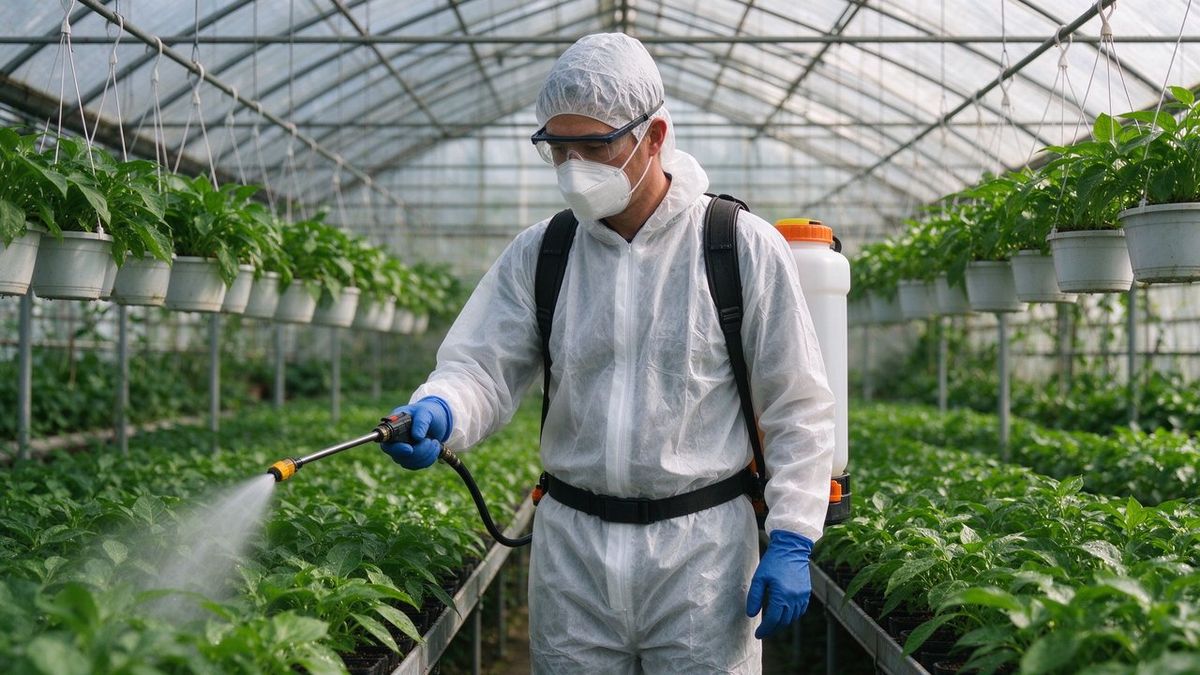
Eggplant Lace Bug and Flea Beetle Control
Eggplant lace bug, Urentius euonymus, and the striped flea beetle, Phyllotreta striolata, are the two primary insect pests of protected eggplant in China. Lace bugs suck sap from leaf undersides, leaving white stippling that coalesces into bronzed, photosynthetically dead leaves; flea beetles chew small shot-holes in leaves and gouge small pits in the calyx that…
-
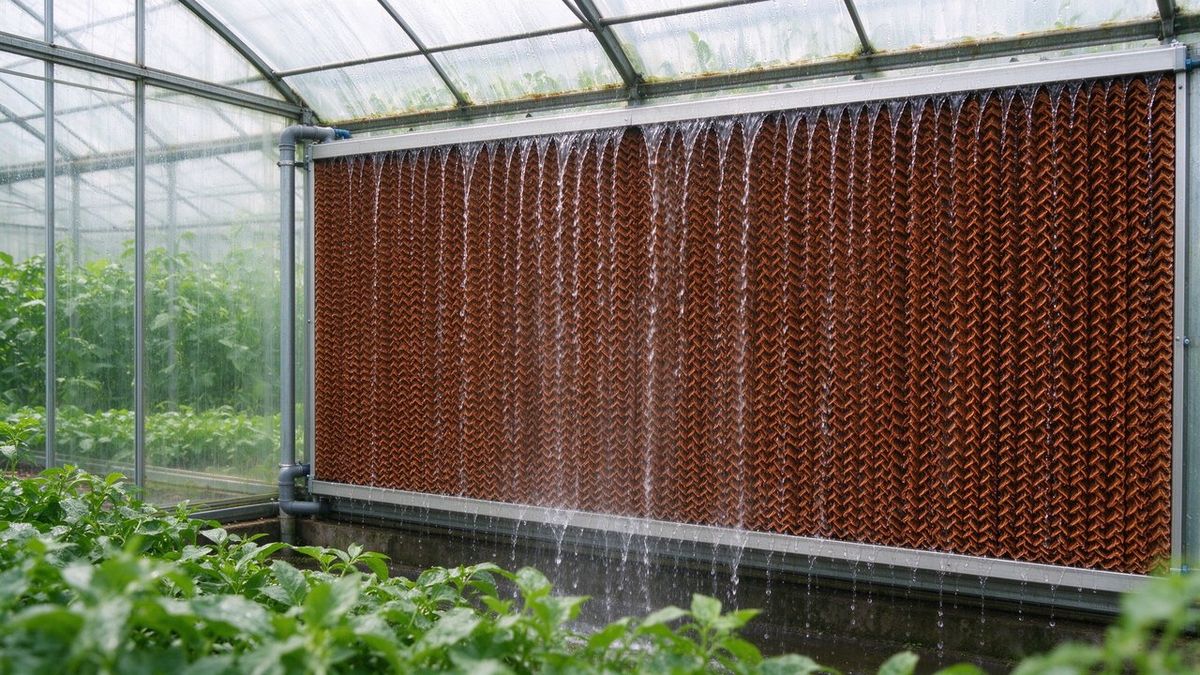
Managing Eggplant Fruit Set in Hot Greenhouses
Eggplant fruit set collapses when greenhouse temperatures exceed 32 degrees Celsius during flowering: pollen becomes non-viable, the style fails to fertilize ovules, and the few fruit that do set are puffy, seedless, and misshapen. In hot-summer protected culture across central and southern China, fruit set in July and August can drop by 60 to 70…
-
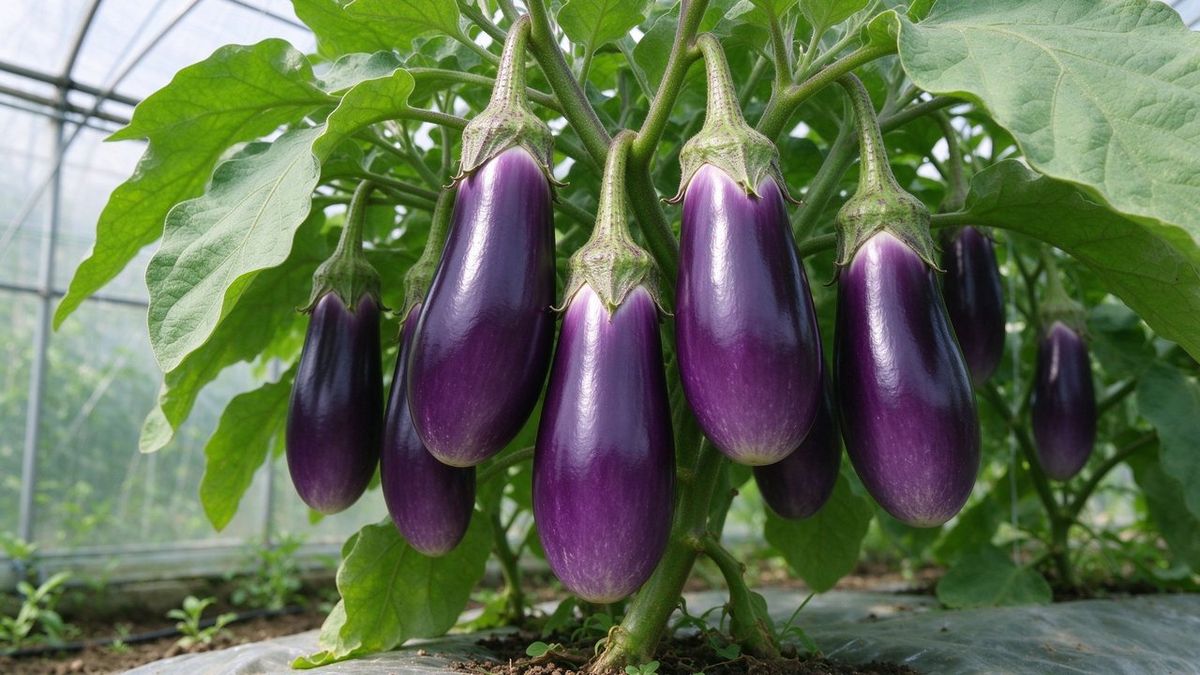
Eggplant Variety Selection for Protected Cultivation
Variety choice determines 40 percent of the final yield and quality of a greenhouse eggplant crop. Protected cultivation demands cultivars with short internodes for high-wire training, parthenocarpic tendency for cool or hot spells when pollinators are inactive, resistance to Verticillium and Fusarium, and fruit that holds gloss and firmness for 14 to 18 days. This…
-
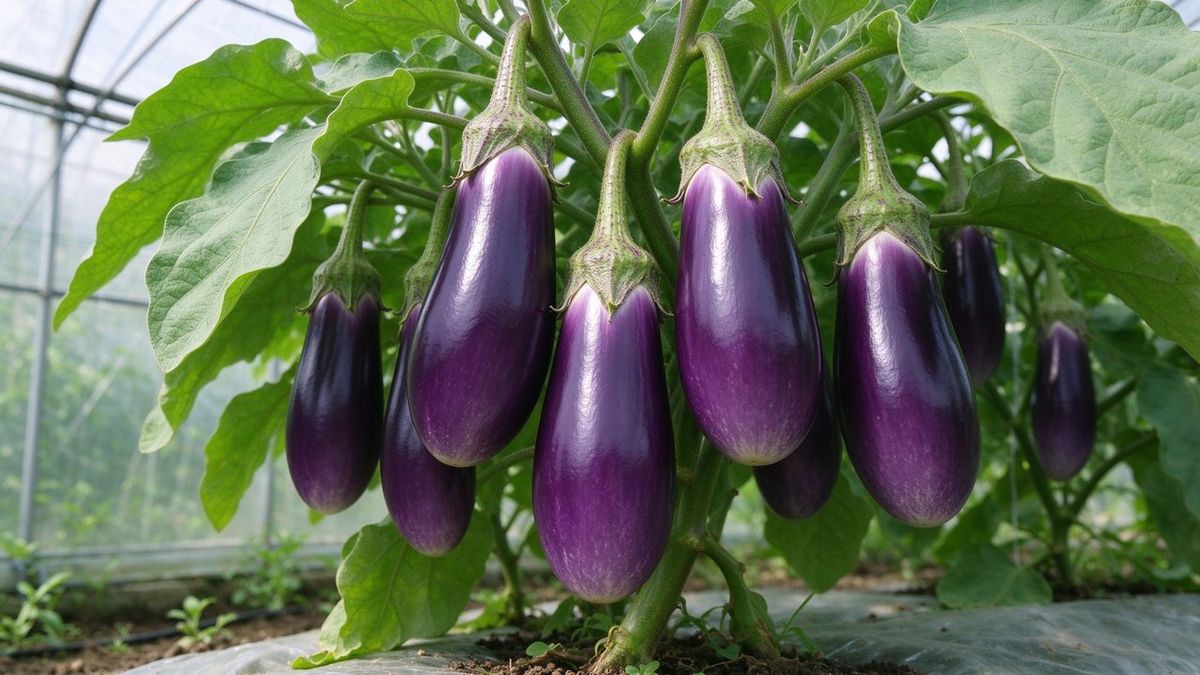
Greenhouse Eggplant Production from Seed to Harvest
Eggplant, Solanum melongena, is a warm-season protected crop that rewards a long, stable cycle: 120 to 150 days from seed to first harvest, with production continuing for 6 to 9 months. Unlike peppers, eggplant is a heavy feeder and a vigorous grower, reaching 1.8 meters on a high-wire trellis. The commercial program at Zhongtian Agricultural…
-
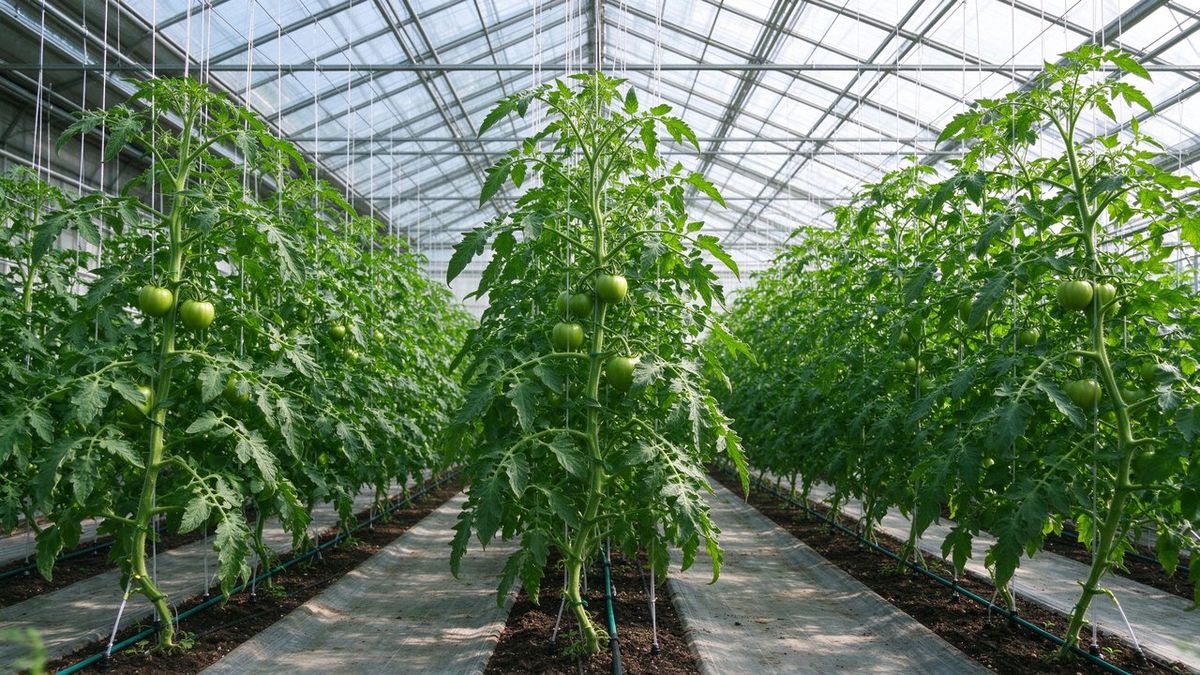
Intercropping Peppers with Compatible Greenhouse Crops
Intercropping inside the greenhouse raises land-use efficiency and builds a more balanced pest ecosystem, but only when the companion crops share climate and nutrition requirements without competing for light. In commercial protected culture, peppers are most often intercropped with lettuce, basil, or alyssum on the floor between rows, not as a full second crop. This…
-
Pepper Root Rot Management in Greenhouse Soils
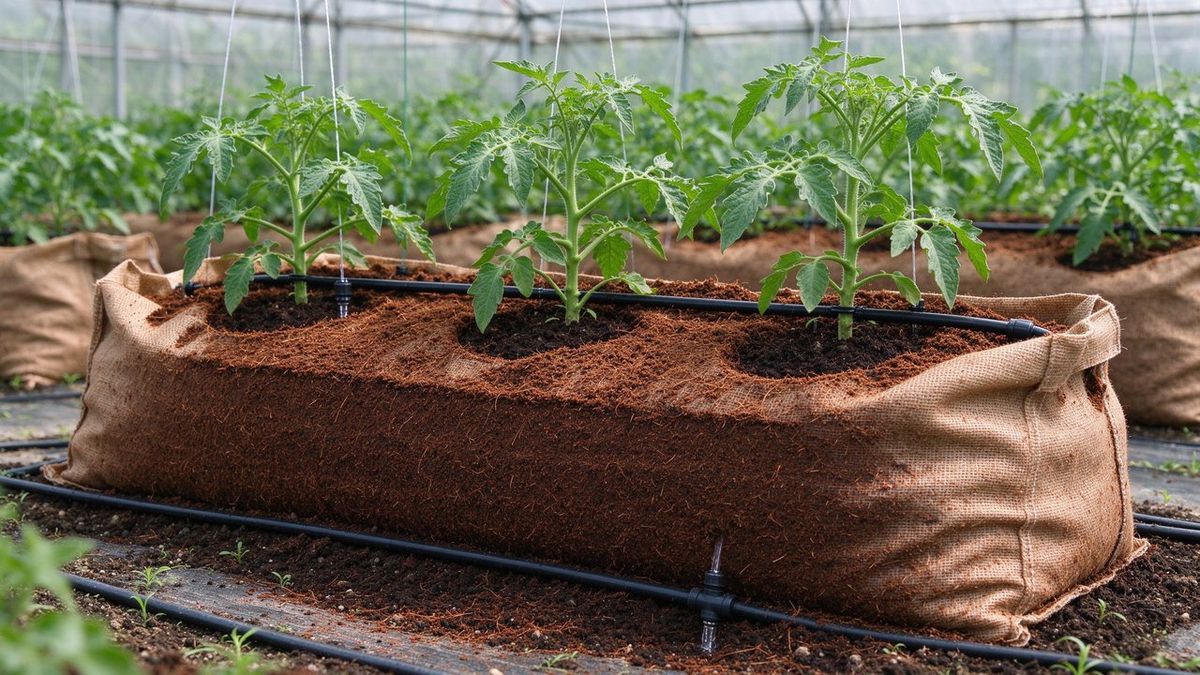
Root rot in greenhouse peppers is usually a complex of Pythium aphanidermatum, Phytophthora capsici, and Fusarium solani, favored by warm, waterlogged root zones above 22 degrees Celsius. Once symptoms appear — wilting in the afternoon despite wet soil, chocolate-brown roots that slough off the cortex, and stunted new growth — the pathogen has already colonized…
-
Optimizing Color Development in Bell Pepper Fruit
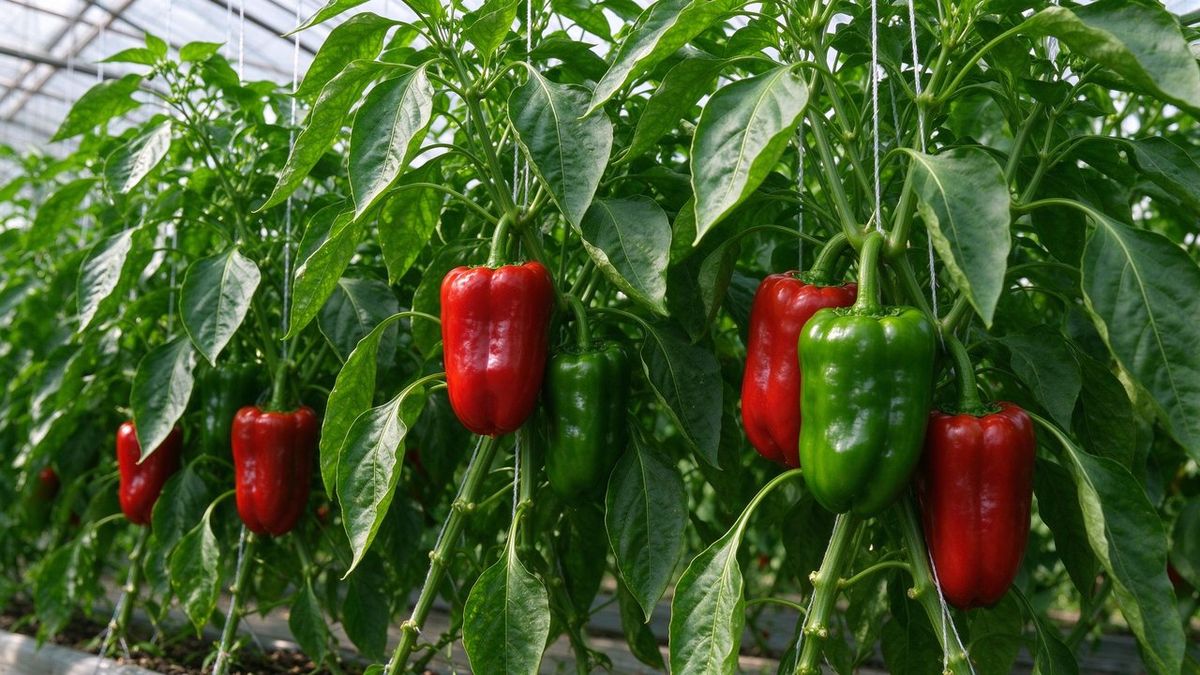
Red, yellow, and orange bell peppers reach their marketable color only when three variables align: daily light integral above 22 moles per square meter, fruit-zone temperature between 20 and 26 degrees Celsius, and a leaf-to-fruit ratio of 12 to 15 leaves per fruit. When any of these falls out of range, color break is delayed,…