
BROWSE THE JOURNAL
winband
-
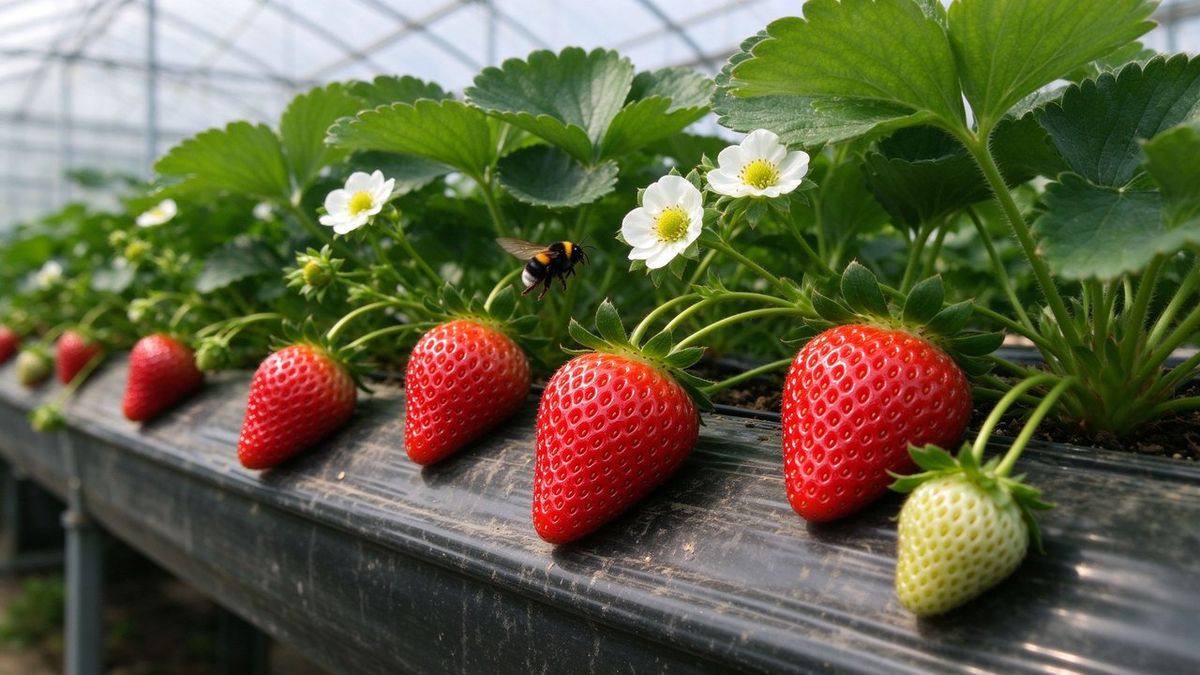
Day-Neutral Strawberry Variety Selection for Greenhouses
Day-neutral strawberry varieties flower and fruit continuously as long as temperature stays between 15 and 25 degrees, regardless of day length. This makes them the backbone of protected greenhouse production, because they can be planted in spring and cropped through autumn without the strict short-day window of June-bearing types. Variety selection drives 30 to 50…
-
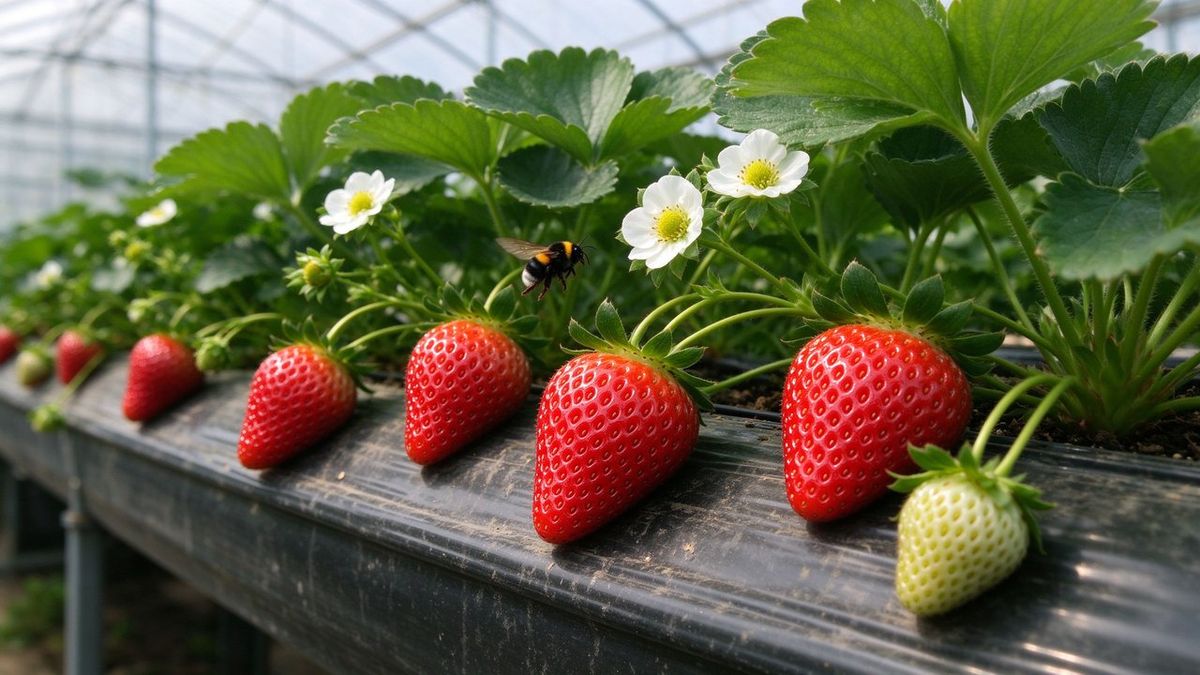
Year-Round Greenhouse Strawberry Production Guide
Year-round greenhouse strawberry production uses a combination of cold-stored frigo plants, day-neutral varieties, and climate-controlled cultivation to deliver fruit every month of the year. The crop is grown on elevated coco or peat bags, usually two rows per bed, at a density of 8 to 10 plants per square meter. A well-run house yields 4.0…
-
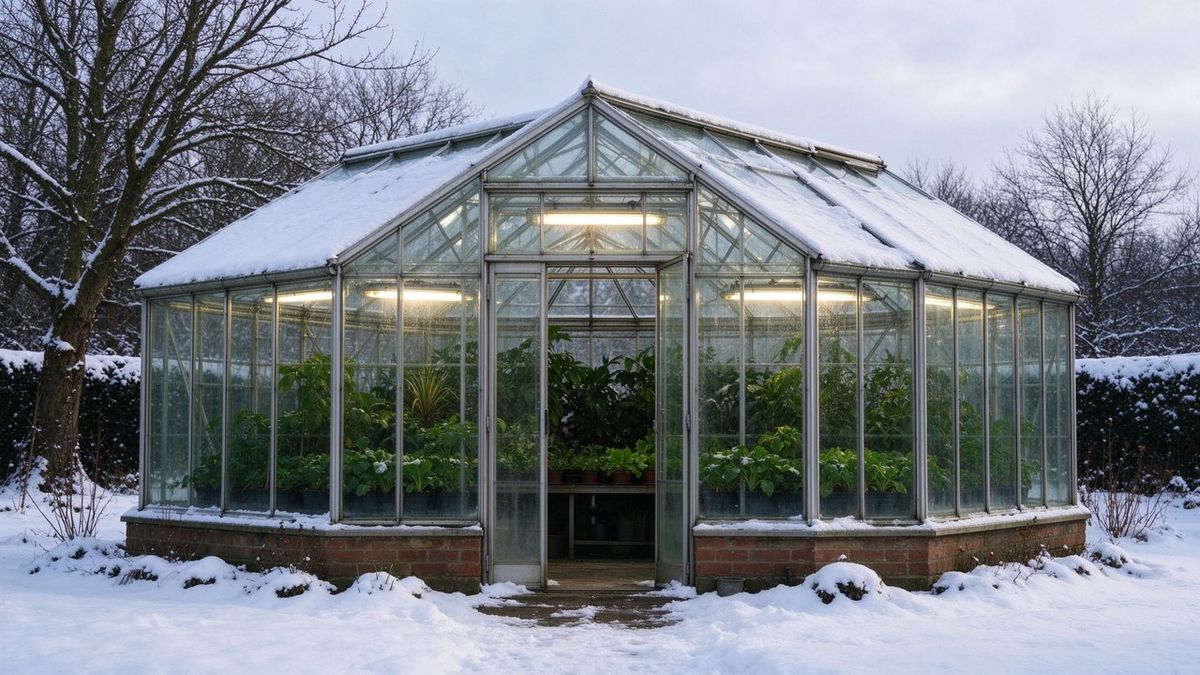
Leafy Green Bolting Prevention in Warm Greenhouses
Bolting is the transition of a leafy green from vegetative leaf growth to reproductive flowering, triggered by a combination of warm temperatures, long days, and plant-age cues. Once a lettuce, spinach, cilantro, or arugula plant sends up a flower stalk, leaves turn bitter, fibrous, and unmarketable, and the crop is lost. In a warm greenhouse,…
-
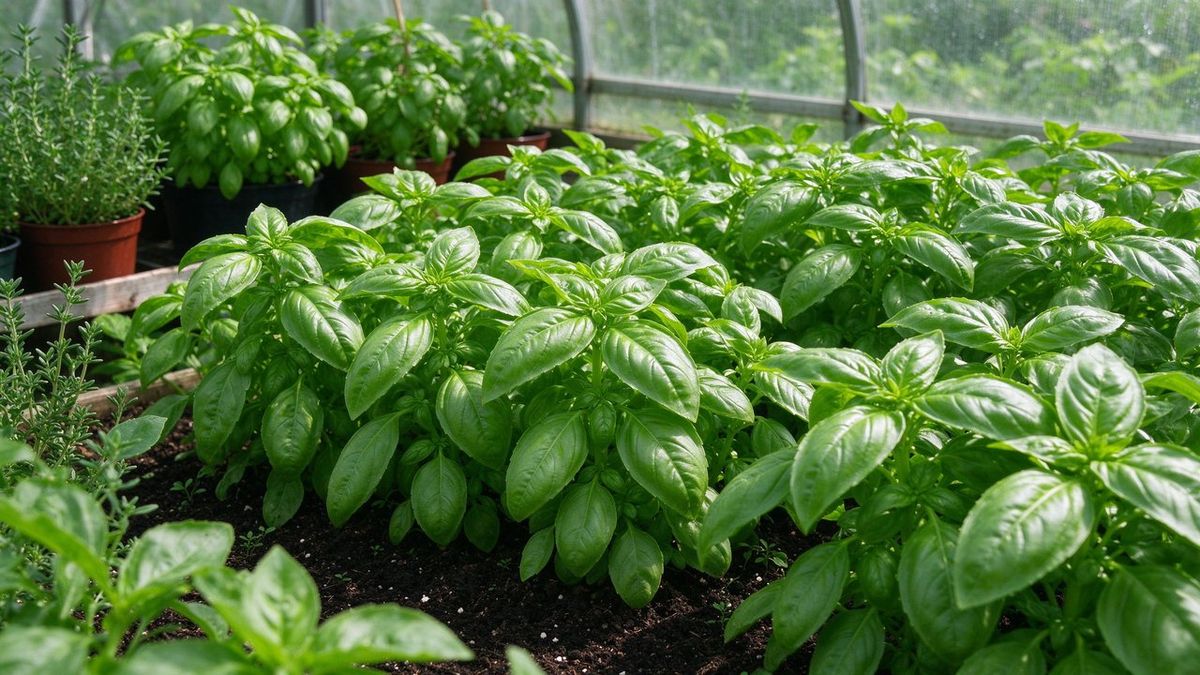
Cilantro and Parsley Production in Protected Culture
Cilantro (Coriandrum sativum) and parsley (Petroselinum crispum) are culinary herbs grown for their aromatic leaves, and both bolt quickly under warm, long-day conditions. Protected culture lets the grower hold the cool temperatures required for 40 to 60 day leafy crops, avoiding the 20 day bolting that ruins field cilantro in summer. Both are grown as…
-
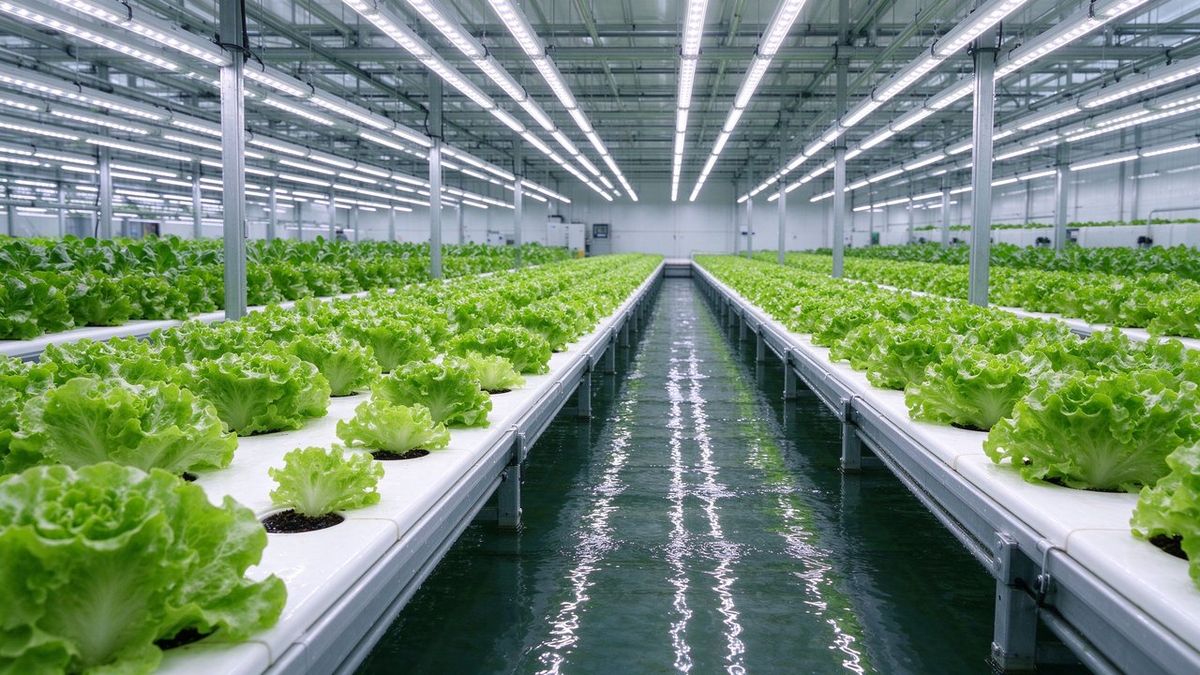
Swiss Chard and Beet Green Greenhouse Cultivation
Swiss chard (Beta vulgaris cicla) and beet greens (Beta vulgaris flavescens) are multi-cut leafy vegetables grown for their broad, colorful petioles and tender blades. They tolerate cool and mild heat, recover well from repeated cuts, and produce 8 to 12 kilograms per square meter over a 90 to 120 day planting. Chard is most often…
-
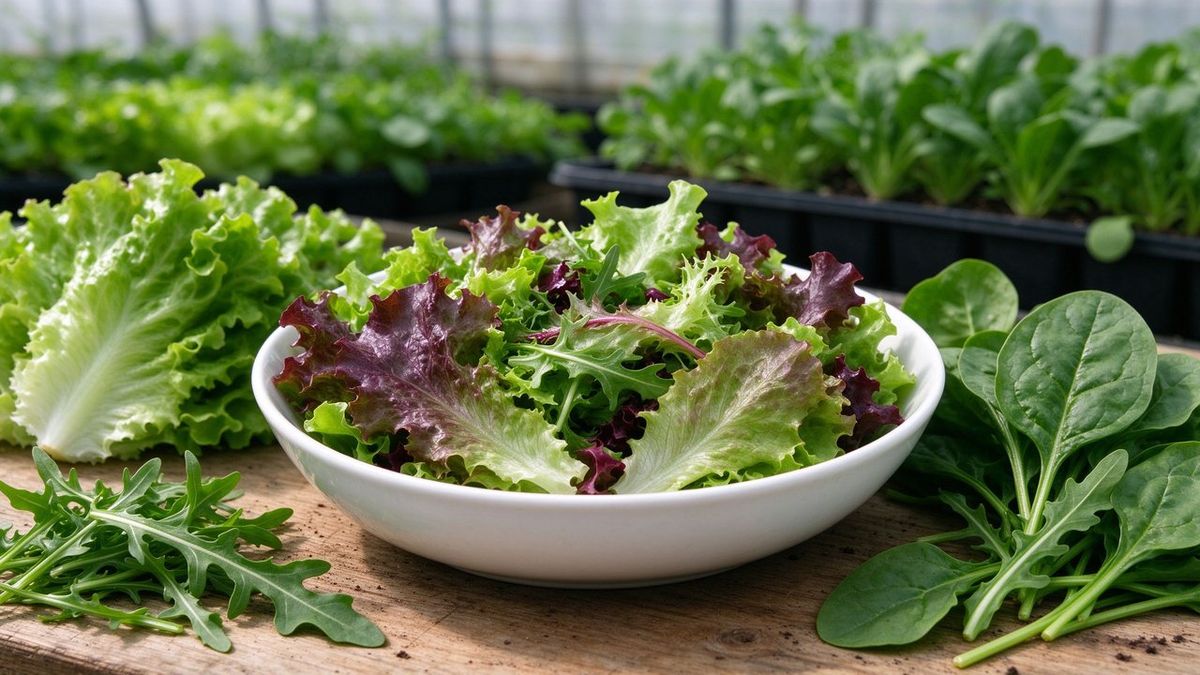
Baby Leaf Salad Green Production for Market
Baby leaf salad is harvested at the 5 to 8 true-leaf stage, 20 to 30 days after sowing, and sold as washed, mixed, ready-to-eat packs. The commercial value is in consistency: leaf size, color, stem length, and mix ratio must be identical pack to pack. Most greenhouse baby leaf is grown on peat or coco…
-
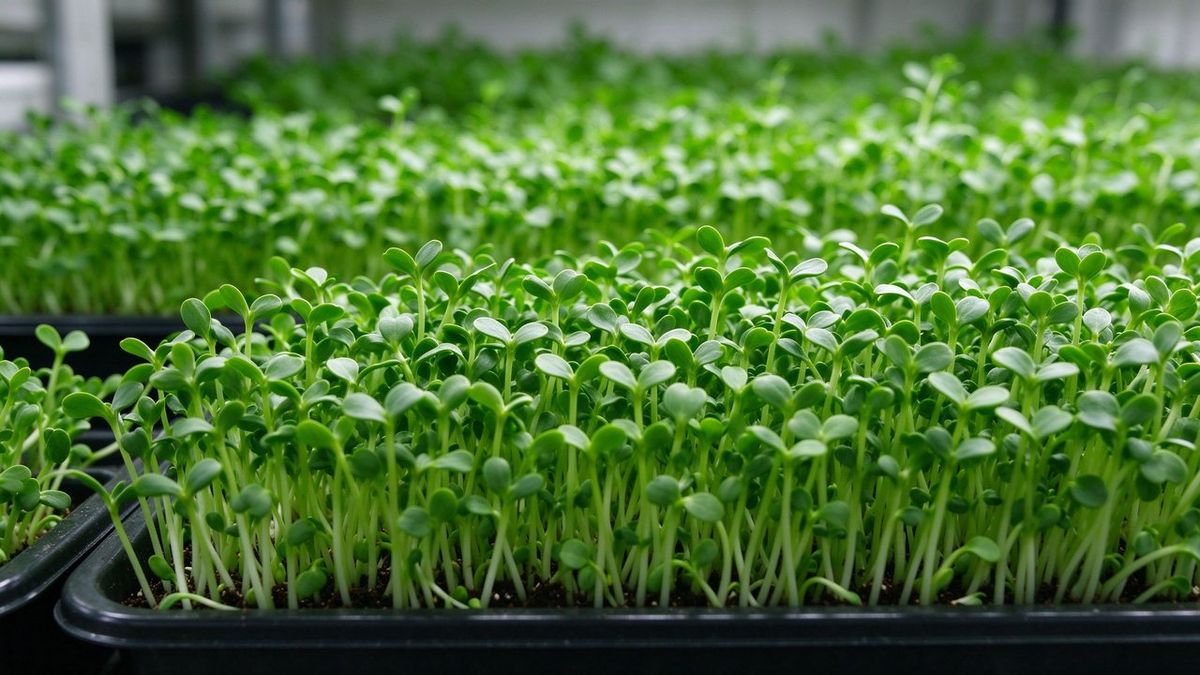
Microgreen Production in Indoor Vertical Systems
Microgreens are edible seedlings harvested at the cotyledon or first true-leaf stage, 7 to 14 days after sowing, and they are grown indoors on stacked vertical racks under sole-source LEDs. A vertical microgreen operation can produce 15 to 25 kilograms per square meter per week on a 100 square meter floor footprint, because the usable…
-
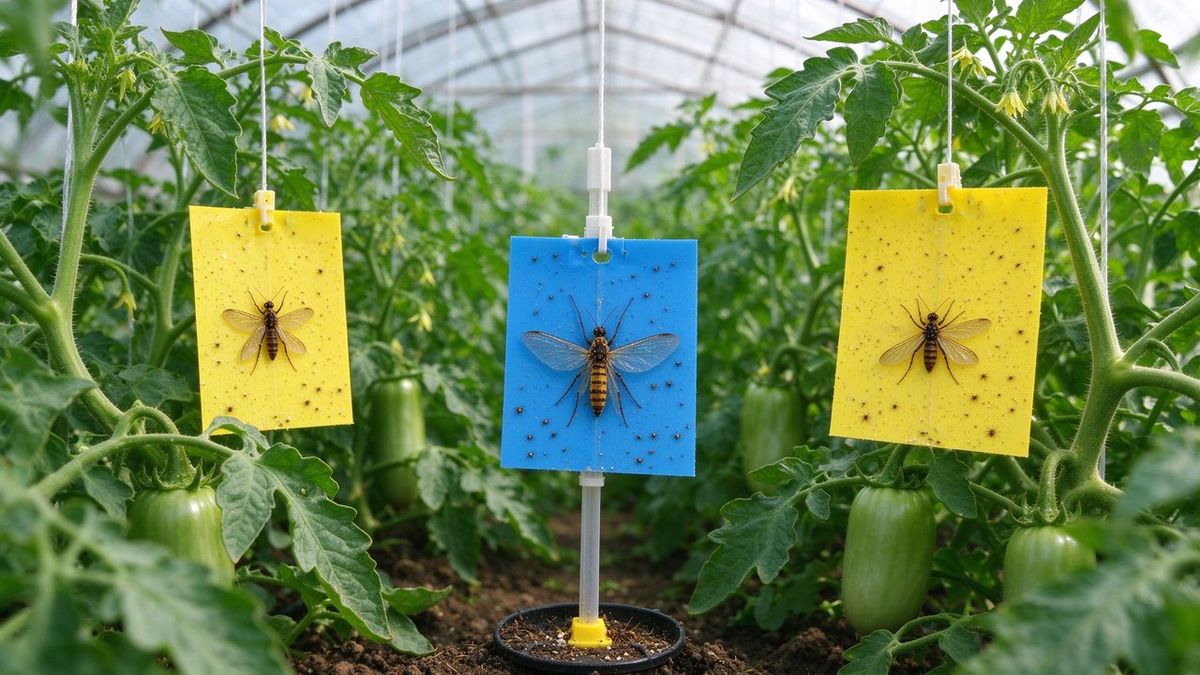
Leafy Green Root Aphid and Fungus Gnat Control
Root aphids (Pemphigus, Rhopalosiphum, and especially the lettuce root aphid Pemphigus bursarius) and fungus gnats (Bradysia spp.) are two of the most damaging below-ground pests in greenhouse leafy-green production. Root aphids colonize the root mat, sucking sap and secreting honeydew that fuels sooty mold; fungus gnat larvae chew root hairs and tunnels in the crown,…
-
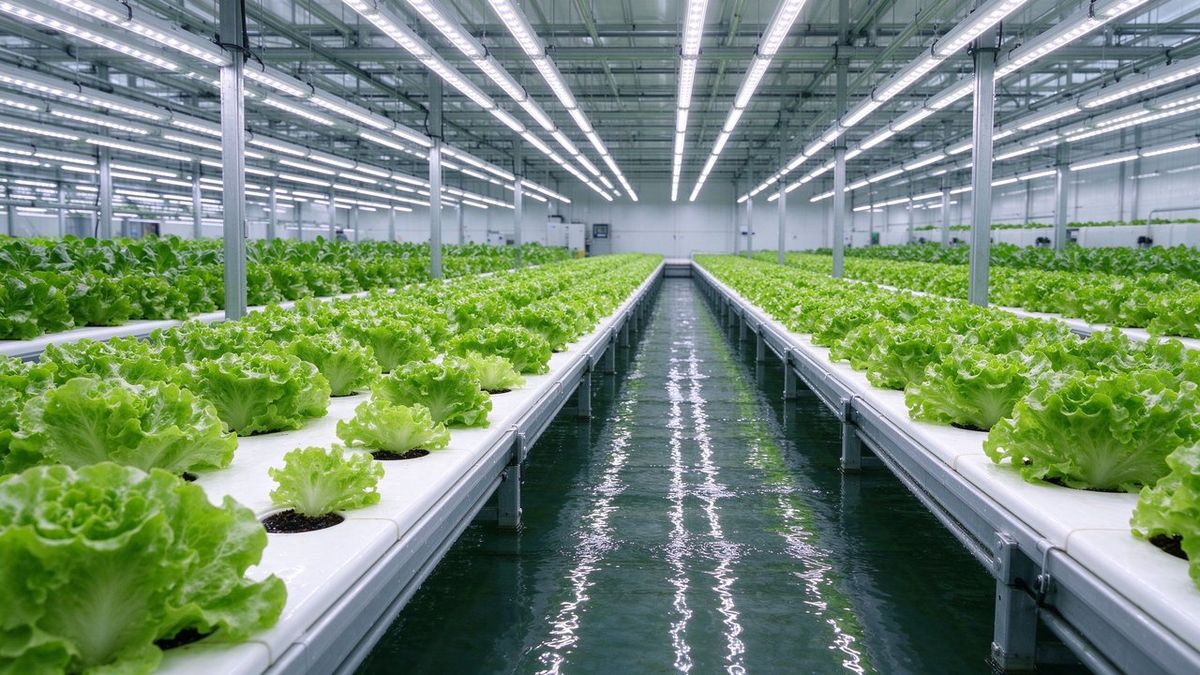
Managing Tipburn in Greenhouse Lettuce
Tipburn is a physiological disorder of lettuce in which the margins of young, rapidly expanding inner leaves turn brown and necrotic, rendering the head unmarketable. It is caused by localized calcium deficiency in the actively growing leaf tips, even when the soil or nutrient solution contains plenty of calcium. Transpiration stress, high humidity, rapid growth,…
-
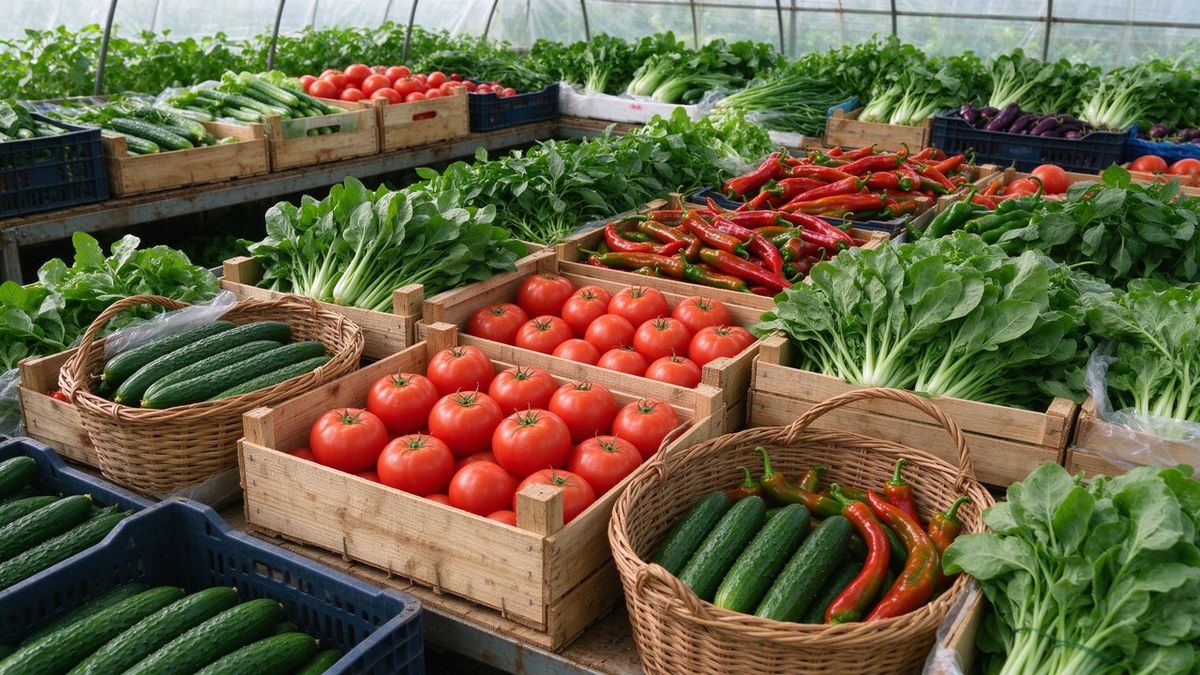
Cut-and-Come-Again Leafy Green Harvesting Strategies
Cut-and-come-again (CaCA) harvesting is the practice of repeatedly cropping the same leafy plant by cutting it back to a defined stubble height, allowing new leaves to emerge from the basal meristem. It works for chard, kale, mustard, endive, chicory, parsley, and Asian greens, and it stretches a single planting across three to six cuts over…