
BROWSE THE JOURNAL
winband
-
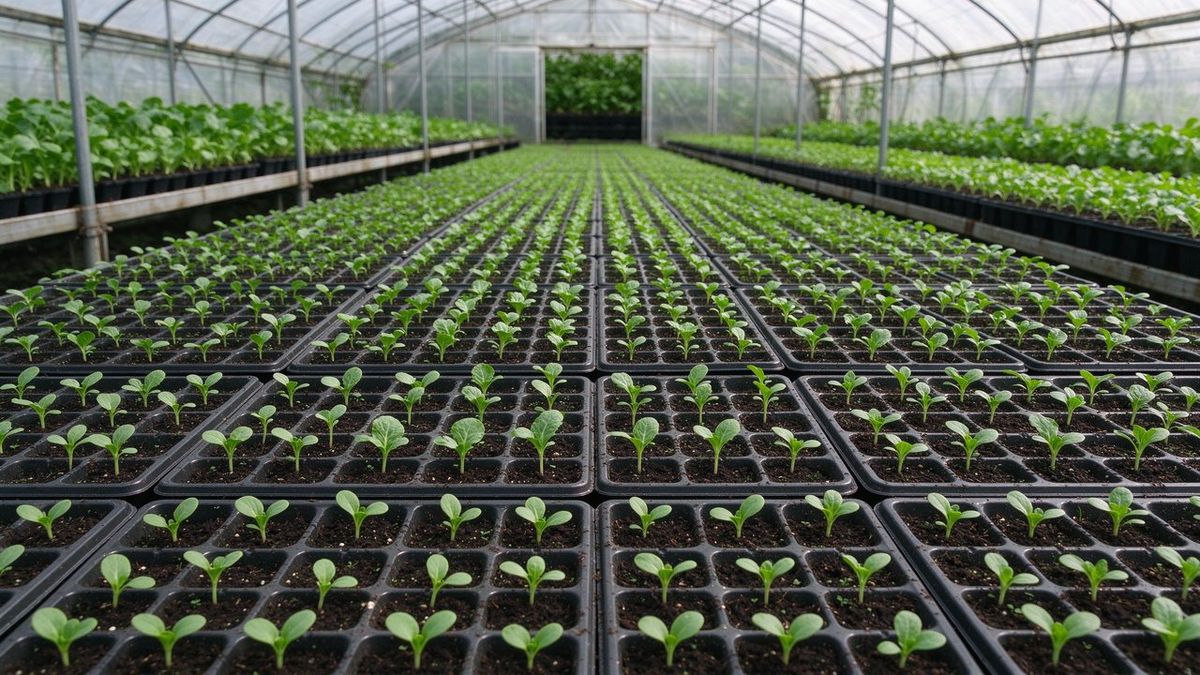
Melon Fusarium Wilt Management in Greenhouses
Fusarium oxysporum f.sp. melonis races 0, 1, and 2 cause vascular wilt in greenhouse melon. Race 1 is the most widespread; race 2 is more aggressive and overcomes some resistant cultivars. The fungus enters through root tips, colonises the xylem, and blocks water transport. Symptoms appear 4 to 6 weeks after planting as a one-sided…
-
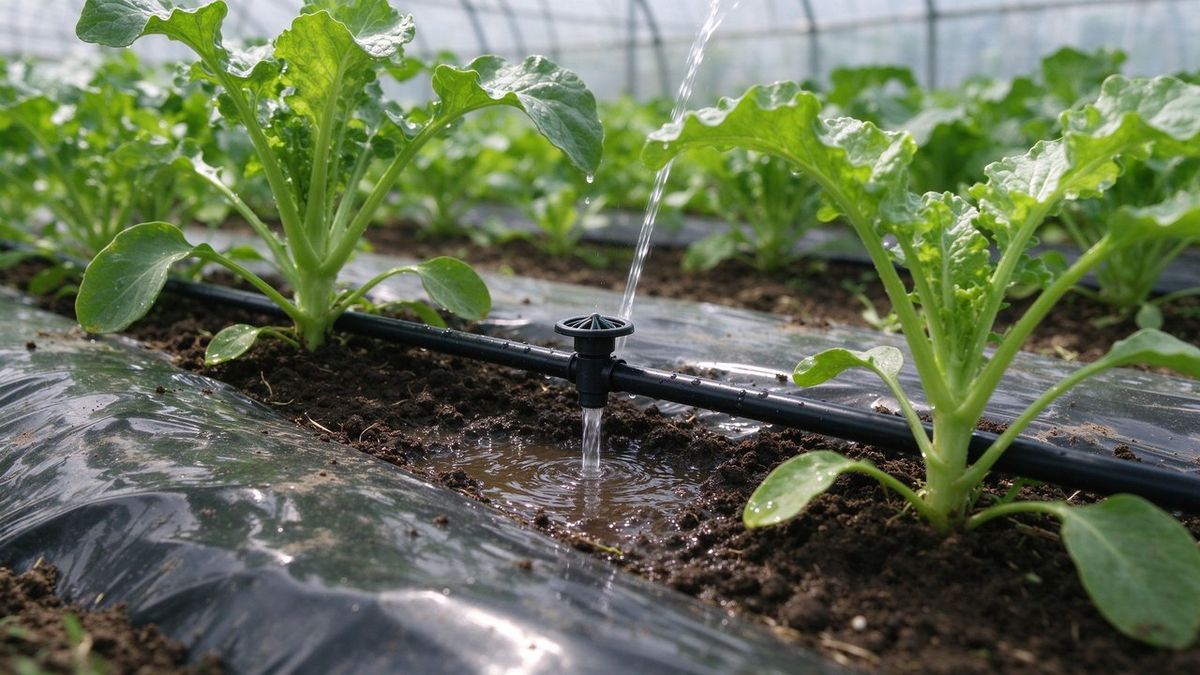
Preventing Melon Fruit Cracking and Splitting
Fruit cracking costs melon growers 10 to 20 per cent of yield in irregular years. Cracks appear at the blossom end, around the stem, or as radial splits on the rind, and they let in Botrytis and Alternaria that rot the fruit within days. The mechanism is rapid internal expansion when water uptake suddenly outpaces…
-
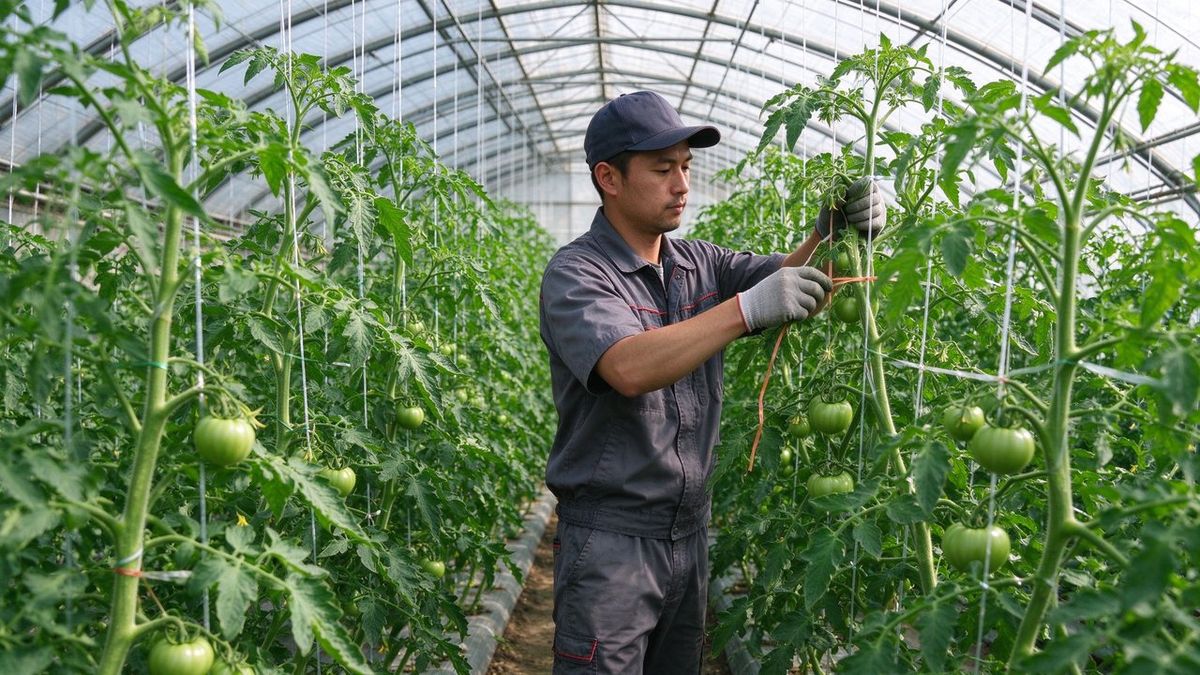
Melon Vine Pruning and Fruit Thinning Techniques
Pruning and fruit thinning are the disciplines that convert a vigorous melon vine into a crop of marketable fruit. Left unpruned, a melon plant produces 10 to 15 small, poor-quality fruit; a pruned plant produces one or two large, sweet, well-netted fruit. The labour cost of pruning is 8 to 12 hours per 100 m²…
-
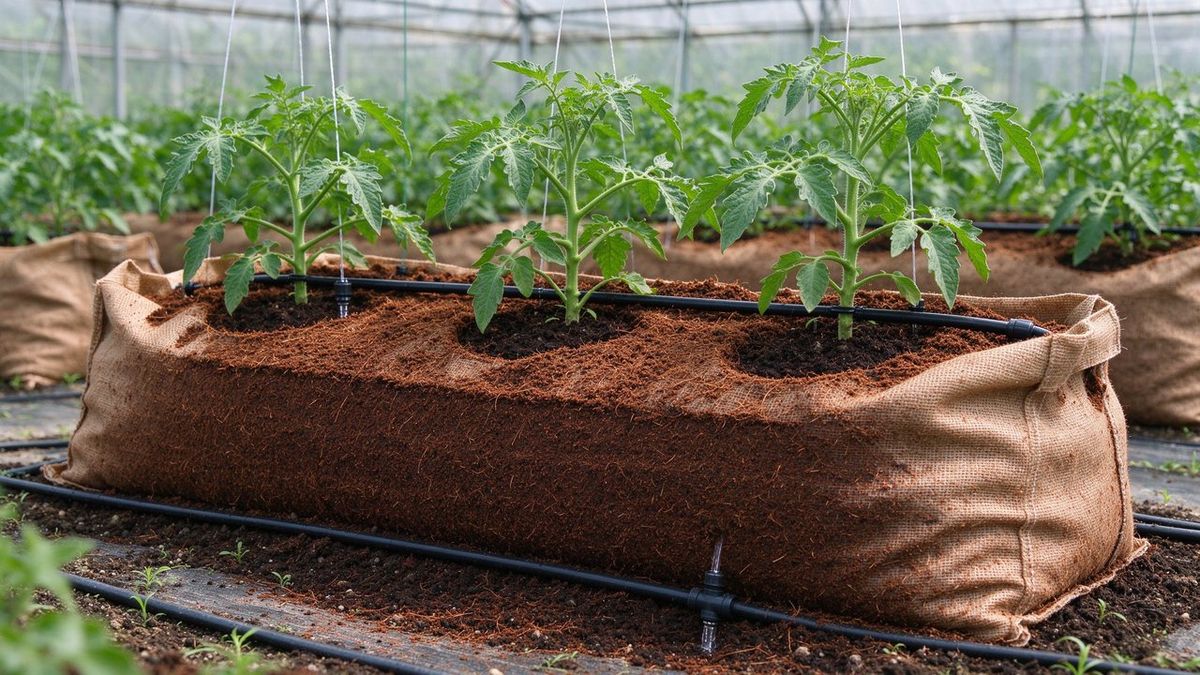
Hydroponic Melon Production in Greenhouses
Hydroponic melon production in coco coir, rockwool, or perlite slabs removes soil-borne disease, tightens climate control, and lifts yield to 5.0 to 6.5 kg per square metre per cycle. The system uses a run-to-waste drip irrigation or closed NFT system, with daily EC and pH monitoring. Hydroponic melon commands a 20 to 30 per cent…
-
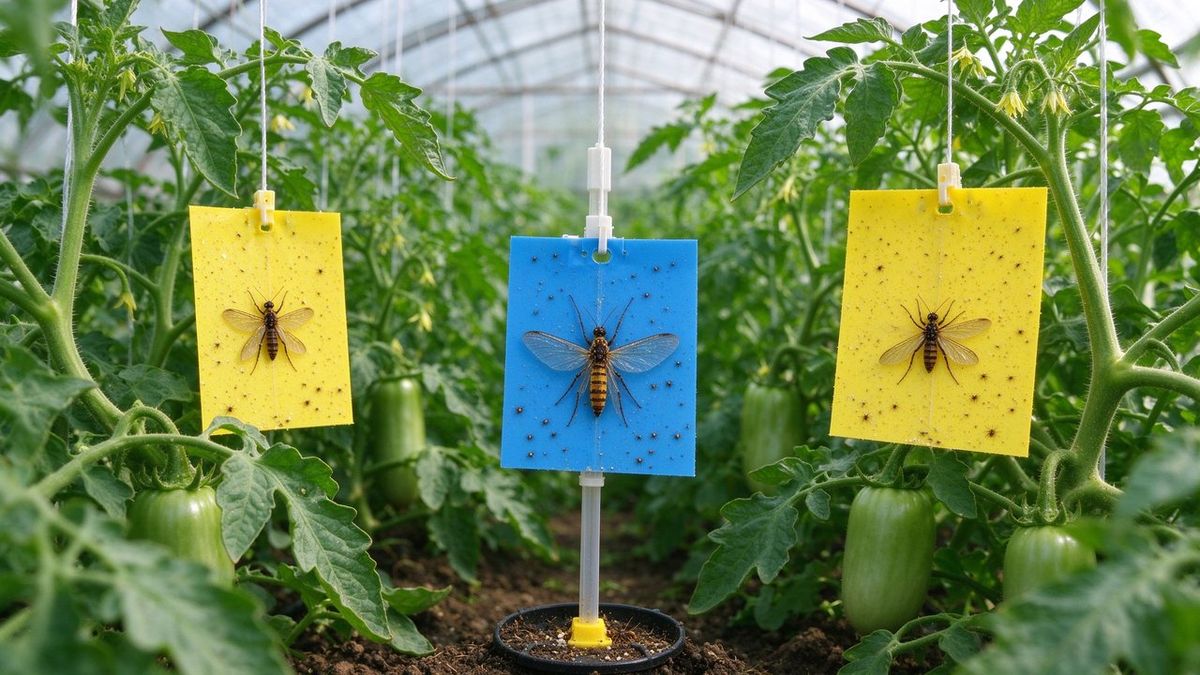
Controlling Tomato Yellow Leaf Curl Virus in Greenhouses
Tomato yellow leaf curl virus, transmitted by the whitefly Bemisia tabaci, is the most damaging virus of protected tomato crops worldwide. Infected plants set no fruit above the third truss, leaves cup upward and turn yellow at the margins, and yield collapses by 50 to 90 percent within six weeks once infection reaches 20 percent…
-
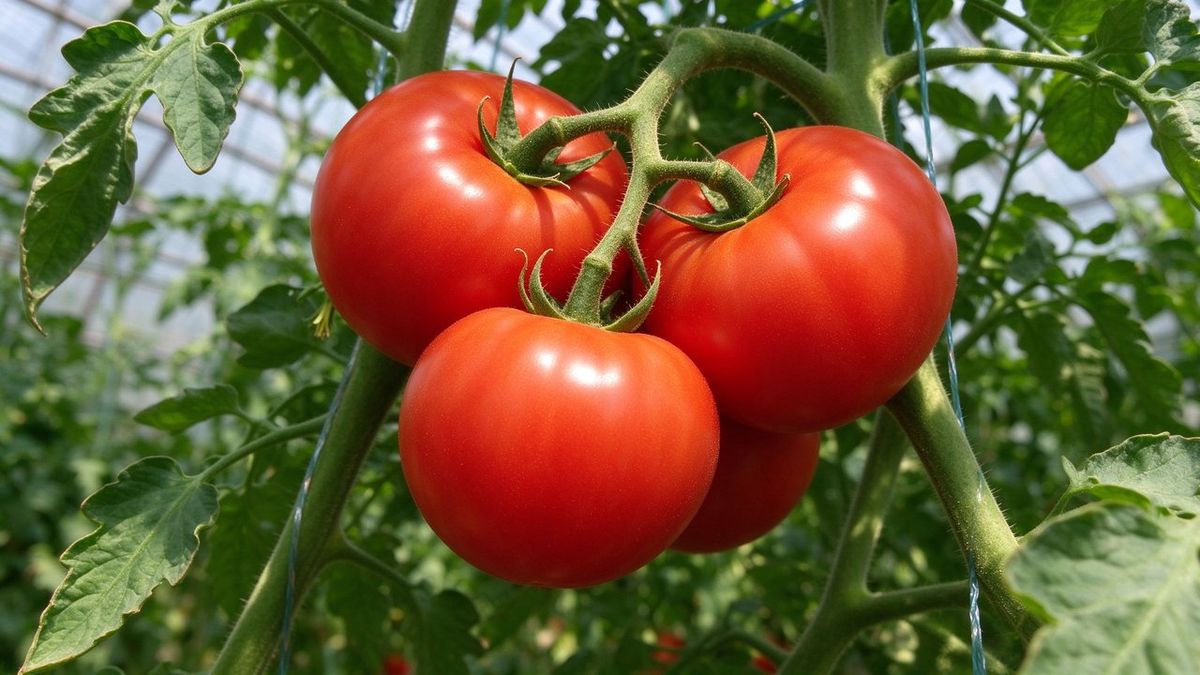
Tomato Truss Management and Fruit Thinning Best Practices
Tomato truss management is the art of matching fruit load to photosynthetic capacity. A single truss that sets 16 fruit on a weakly lit week will produce 60 g tomatoes instead of 180 g beefsteaks, will delay colouring by 5 to 7 days, and will pull assimilates from the next truss. Fruit thinning, truss pruning,…
-
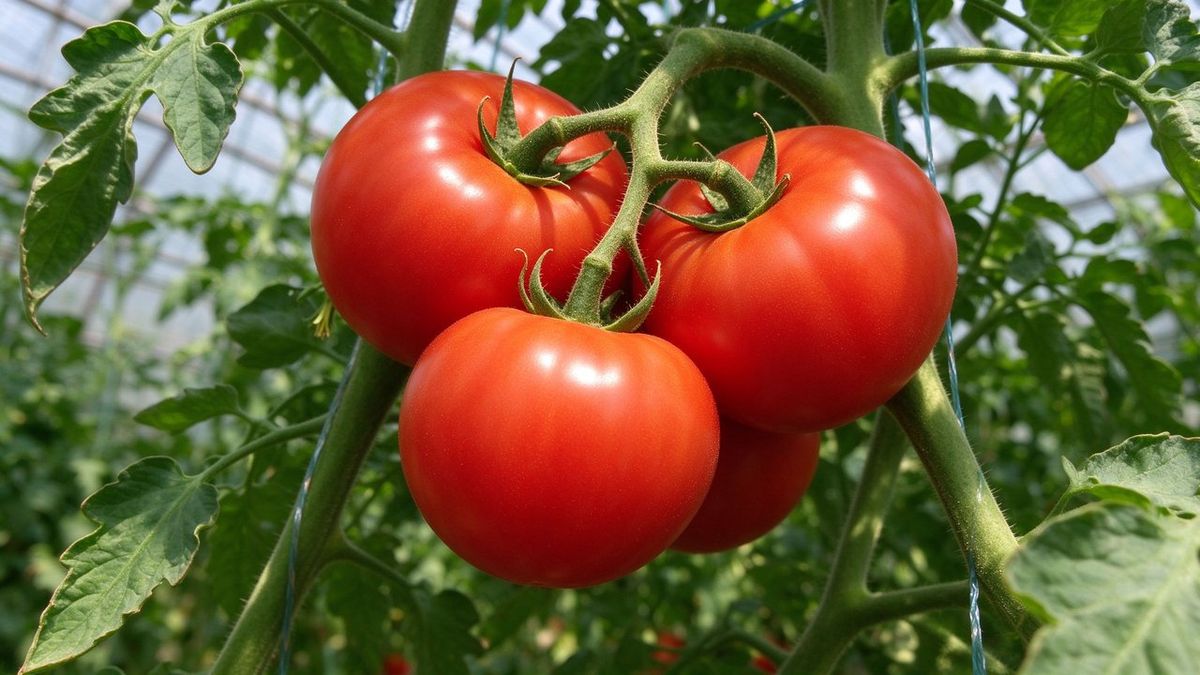
Cherry Tomato Variety Selection for High-Yield Greenhouses
Cherry tomatoes command a 30 to 60 percent price premium over round beefsteak types, but they also demand a much tighter variety decision. Fruit colour, truss length, crack resistance, shelf life, and disease package all interact with the greenhouse climate. A variety that yields 8 kg per square metre in a dry autumn house may…
-
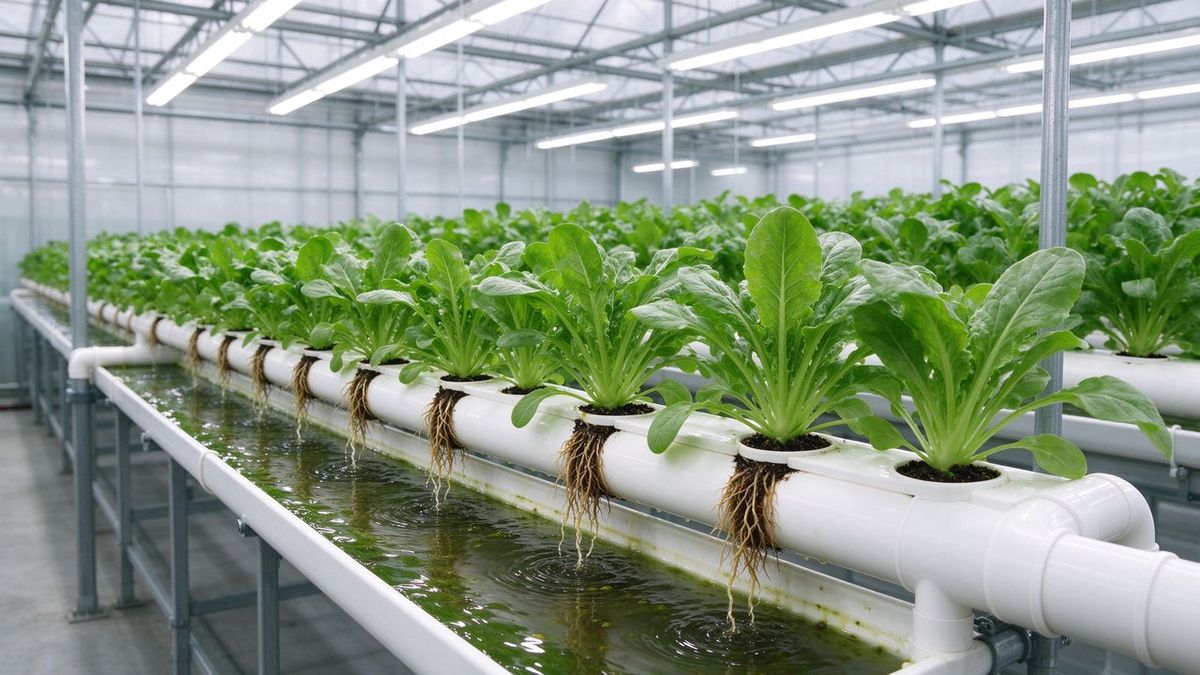
Hydroponic Tomato Production Systems Compared
Hydroponic tomato production has moved far beyond the simple Dutch bucket. Today’s protected horticulture chooses between rockwool slabs, coco coir bags, perlite bags, drip-fed NFT channels, and closed aquaponics loops, each with a different cost structure, oxygen reserve, and disease profile. The right system is the one that matches the grower’s water quality, labour calendar,…
-
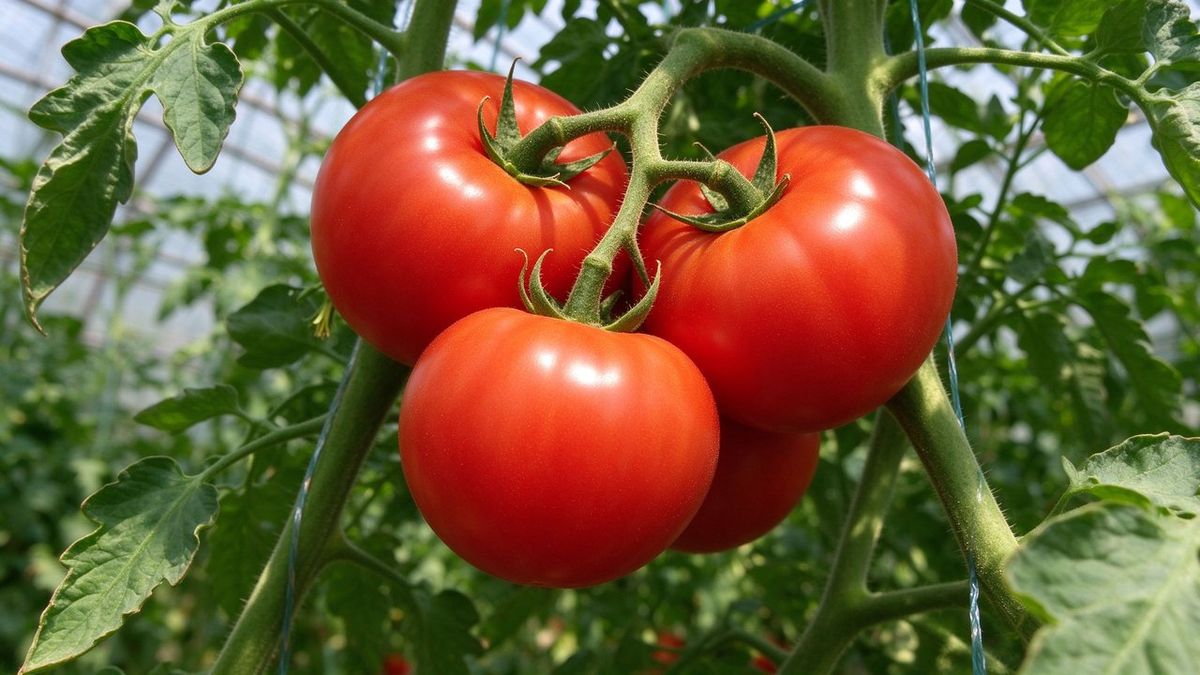
Managing Blossom End Rot in Protected Tomato Crops
Blossom end rot is a physiological disorder, not a pathogen, yet it can discard 20 to 40 percent of a tomato truss in a single week when calcium delivery to the distal fruit fails. The disorder begins as a water-soaked lesion on the blossom end of green fruit that turns leathery, dark brown, and sunken…
-
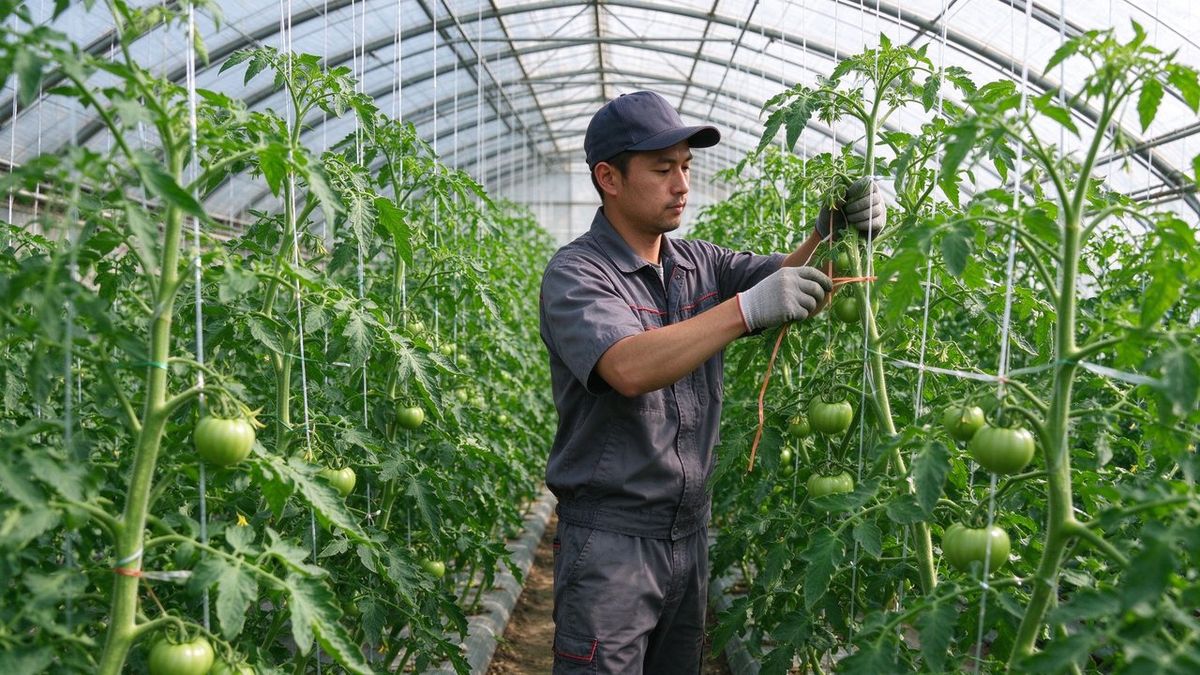
Pruning and Trellising Techniques for Greenhouse Tomatoes
Greenhouse tomatoes grown on high-wire systems yield 55 to 75 kg per square metre per year only when pruning and trellising are disciplined from the day of transplanting. Left unmanaged, a tomato plant produces 25 or more competing shoots, shades its own fruit, raises leaf wetness, and slows truss development. The goal of pruning is…